Answering the question: when you need warmth without electricity, look for fuel-based options like propane or kerosene heaters. This guide highlights non-electric and near-non-electric choices, ideal for power outages, off-grid spaces, or rooms where you don’t want to run electric heat. Best fits include outdoor-friendly setups or compact indoor units for emergency use. The top picks below help you assess who benefits most from each option and why they’re selected.
Summary table of selected products (non-electric and near-non-electric options):
- Mr. Heater Portable Buddy Radiant Propane Heater — Best for indoor or outdoor use where propane is readily available; compact and safe for spaces up to about 225 sq ft.
- Kerosene Heater, 2 in 1 Portable Kerosene Heater & Stove — Best for tents, garages, or rooms up to ~215 sq ft; long burn time and fast heating without electricity.
- PELONIS Radiator Heater for Large Space — Best for backup warmth in a fully electric space; note: electric oil-filled heater, included for comparison.
- DREO Space Heater — Better for spaces with reliable access to electricity but with strong thermostat control; included as an electric option for context.
- GiveBest Space Heater — Useful as backup heat when main power is unavailable; electric but designed for portability and manual override.
Mr. Heater Portable Buddy Radiant Propane Heater
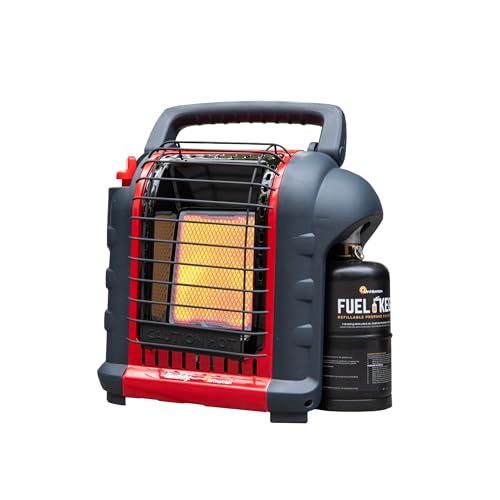
Features include radiant heat with 4,000 or 9,000 BTU/hr output, designed for indoor and outdoor use, heating up to about 225 square feet. Best for users who have access to propane and need instant warmth in small-to-medium spaces. Caution: proper ventilation is essential to avoid carbon monoxide buildup in enclosed areas. This unit is selected for portability, quick setup, and no reliance on electricity.
Kerosene Heater, 2 in 1 Portable Kerosene Heater & Stove

This 9000 BTU kerosene heater delivers rapid warmth without electricity, suitable for camping, garages, basements, or tents up to 215 square feet. It includes a 4.6-liter tank for long operation and a compact 18–22 hour burn time. Best for emergencies or off-grid settings where ventilation is adequate. Caution: operate only in well-ventilated spaces to minimize fumes, and follow fuel storage guidelines.
PELONIS Radiator Heater for Large Space

Electric oil-filled radiators provide steady warmth without a fan, helping reduce dryness. This model offers 1500W with three heat modes (600W/900W/1500W) and is extremely quiet. Best for bedrooms or offices with electricity, serving as a reliable backup heat source in electric-powered spaces. Limitation: requires power, so it’s not a non-electric option during outages.
DREO Space Heater, Portable Electric Heaters

Electric space heater with Hyperamics 1500W system and a precise thermostat; includes tilt-detection for improved safety and multiple protections. Best for rooms with stable electricity where you want controlled, adjustable heat. Limitation: relies on power supply when used as a primary heat source.
GiveBest Space Heater

2-in-1 ceramic heater with 1500W/750W modes and a cool air option. Features automatic thermostat control, safety shut-off, and tip-over protection. Best for portable supplemental heat in spaces with access to electricity, especially when you want flexibility between heating and cooling. Limitation: not suitable as a sole heat source in very cold or drafty spaces.
Buying Guide: Non-Electric And Backup Heating Considerations
- What space will be heated? Consider square footage and room layout to choose propane or kerosene options for larger, open areas, or compact electric options for offices and bedrooms.
- What fuel is available? Propane and kerosene require safe storage and proper ventilation. Electric options require accessible outlets and may require a power source during outages.
- Ventilation and safety: Non-electric heaters must be used with proper ventilation to prevent buildup of fumes. Always follow manufacturer guidelines for clearances and operation.
- Portability vs. permanence: Propane and kerosene units are generally portable for use in different rooms or outdoors, while electric models are often designed for fixed locations.
- Cost and efficiency: Fuel-based heaters provide uptime during power outages but require ongoing fuel purchases. Electric models may be simpler to use but rely on electricity during outages.
Frequently Asked Questions
- Do non-electric heaters produce fumes? Yes, fuel-burning heaters can produce fumes. Ventilation is essential and follow safety guidelines to minimize risks.
- Can I use a kerosene heater indoors? Only in well-ventilated spaces and with proper clearances, according to the manufacturer’s instructions.
- Are propane heaters safe for indoor use? Many models are designed for indoor use with proper ventilation and space clearance; always follow the safety instructions.
- What is the best option during a power outage? Propane or kerosene heaters are common non-electric choices, but ensure you have a safe fuel storage plan and ventilation.
- Can these heaters heat large rooms? Propane and kerosene units can heat moderately large spaces if properly sized; electric heaters depend on wattage and room insulation.
- Do I need a CO detector? Yes, for propane and kerosene use, a CO detector is a recommended safety measure in occupied spaces.