Attic spaces can trap heat and feel stuffy, especially in summer. Choosing the right cooling solution depends on attic size, whether there’s a window, and how you want to install or vent the unit. The following devices from trusted brands offer portable, window, and vented options to help you maintain a comfortable attic environment. Read on for practical picks, each with key features to match attic cooling needs.
Summary of chosen products:
- Dreo AC515S Portable Air Conditioner — 12,000 BTU, quiet operation, drainage-free cooling, smart controls
- Midea 8,000 BTU Smart Inverter Window Unit — cooling and heating, energy efficient, app/voice control
- GE Window Air Conditioner Unit — 5,000 BTU, compact for small attic rooms, low noise
- COOLECH Windowless Evaporative Cooler — 4 modes, no window needed, waterless alert
- COOLECH 42-Inch Windowless Portable AC — large-room evaporative cooling, 90° oscillation
Dreo AC515S Portable Air Conditioner (12,000 BTU)

The Dreo AC515S portable air conditioner delivers 12,000 BTU ASHRAE cooling capacity, suitable for attic rooms up to roughly 16 feet in length or wider spaces when configured with appropriate airflow. It supports a temperature range from 65°F to 86°F and offers a 3-in-1 mode: cooling, dehumidifying, and fan operation. A notable feature is the patented noise-isolation system that reduces compressor noise to about 46 dB, helping maintain a quieter attic environment. The drainage-free design accommodates spaces without a dedicated drain line, boosting ease of setup in attic closets or corners.
Key considerations for attic use include aligning the unit with attic dimensions, ensuring an outlet is accessible, and planning for venting or exhaust paths. The AC515S provides smart control through app, voice, or remote, enabling convenient scheduling and temperature adjustments for attic dwellers who want hands-free management during hot days.
AC Infinity CLOUDLINE PRO T6 Inline Duct Fan
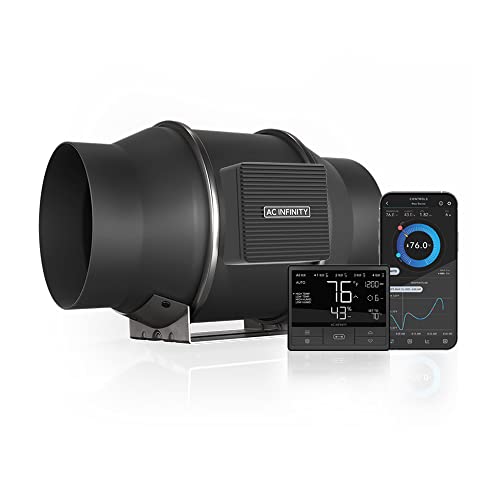
This inline duct fan is designed for ventilation rather than standalone room cooling. It’s ideal for attics with forced-air systems, helping move heated air out and bring in cooler air from other parts of the home or a ventilation setup. Features include dynamic temperature and humidity programming, timers, and WiFi app control for automation. While not a traditional room air conditioner, it can complement a cooling strategy in an attic by improving overall airflow and reducing heat buildup, especially in enclosed attic spaces with ducting.
Use this option if your attic has existing ducts or you’re integrating with a central system. It’s particularly useful for consistent airflow, which can enhance the performance of other cooling devices in high-heat attics. Pairing a duct fan with portable or window units can extend comfort across the entire attic area.
COOLECH Windowless Air Conditioner With 4 Modes
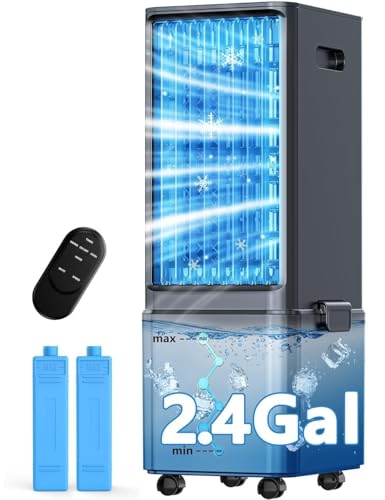
The COOLECH evaporative air cooler functions as a 4-mode system, offering Normal, Natural, Sleep, and Cooling options. It operates without a traditional window exhaust, making it suitable for attic rooms where window access is limited. A key feature is the waterless alert system that warns when the reservoir is low, switching to a natural wind mode if needed to maintain comfort without interruption. The unit emphasizes moisture-balanced cooling, which can help alleviate dryness common in attic spaces where humidity levels vary widely.
Attic considerations include the climate suitability of evaporative cooling (most effective in dry climates), the availability of a power source, and the space needed for adequate airflow. The 4-mode versatility helps tailor comfort for high-heat days and dry attic conditions, providing a low-maintenance cooling option where a window is not available for exhaust.
COOLECH 42-Inch Windowless Portable Air Conditioner
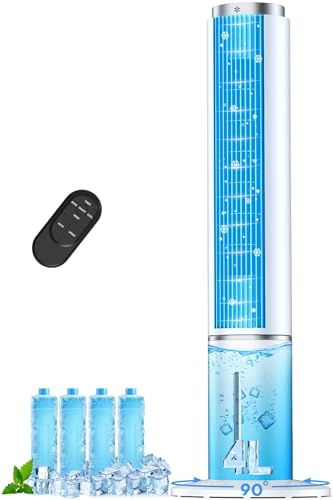
This 42-inch evaporative cooler delivers a broad cooling footprint with up to a 90° oscillation to distribute air evenly across larger attic spaces. It uses a swamp cooler approach with a high airflow of up to 1400 CFM and a claimed cooling range suitable for rooms up to about 300 square feet. The device features 4 modes and 3 wind speeds, enabling substantial flexibility for attic cooling strategies. The extended reach helps offset heat accumulation in larger attic layouts without requiring a window or ducting.
When selecting a large, windowless unit for an attic, consider ceiling height, room perimeter, and the need for consistent air distribution. The COOLECH 42-Inch provides a robust option for rooms with significant heat load where other compact units might fall short, but it relies on evaporation-based cooling which can be more effective in dry environments.
GE Window Air Conditioner Unit, 5,000 BTU

The GE window unit offers 5,000 BTU cooling capacity for small attic rooms or corner spaces where a window is accessible. It’s designed for straightforward installation and features a mechanical control system with multiple cooling settings. Low-noise operation is highlighted as a benefit for nighttime attic use, reducing sleep disturbances while maintaining a cool environment. The compact design and included installation kit make it a practical option for small-to-medium attic layouts.
Attic scenarios often involve limited space and potential ceiling constraints. A 5,000 BTU unit can be an economical choice for petite attics, guest lofts, or nooks, especially where a window vent is available. For larger attics, pairing with other cooling strategies or opting for a higher BTU portable unit may be necessary to achieve desired comfort levels.
Midea 8,000 BTU Smart Inverter Window Unit With Heat

The Midea 8,000 BTU window air conditioner with heat features a smart inverter system designed for higher efficiency and stable temperatures. It cools rooms up to about 350 square feet, making it suitable for medium-to-large attic spaces that have window access. The unit includes multiple modes (Heat, Auto, Cool, Dry, Fan), 3 speeds, a 24-hour timer, and energy-saving capabilities. It can be controlled via app or voice assistants, enabling scheduling and remote management to maintain a comfortable attic temperature without frequent manual adjustments.
Key attic considerations include ensuring exterior venting is appropriate for heat exchange, confirming outside temperatures support the heat function, and verifying compatibility with smart home ecosystems. In spaces where insulation is good but heat loads are substantial, this model can offer reliable cooling and supplemental heating as seasons shift, helping maintain a stable attic climate year-round.
Buying Guide: What To Consider For Attic Cooling
- Attic size and layout: Measure square footage and consider whether the space is open or partitioned. Larger attics may need higher BTU portable units or multiple devices for even cooling.
- Ventilation and exhaust: Windowless attics benefit from evaporative coolers, while windowed attics can utilize traditional window units or ducted setups. Duct-based systems require proper insulation and duct routing.
- Climate and humidity: Evaporative coolers work best in dry climates. If humidity is high, refrigerated portable units or heat-pump window units may provide more consistent comfort.
- Power and installation: Ensure access to appropriate electrical outlets, circuit capacity, and safe clearance around the unit for airflow. Some devices require drainage or can operate drainage-free in certain conditions.
- Smart controls and scheduling: Apps, voice control, and remote operation can simplify maintaining a comfortable attic temperature, especially in multi-room homes or spaces used irregularly.
- Noise levels: Attics are often used as bedrooms or study spaces. Look for models with noise-reduction features or low dB ratings for quieter operation during sleep or work.
- Energy efficiency: Inverter or energy-star-rated units can reduce running costs over time. Compare SEER-like efficiency metrics and operating modes to optimize energy use.
- Maintenance needs: Filter accessibility, water reservoir management (for evaporative models), and ease of cleaning influence long-term performance and upkeep.
- Safety and durability: Check for sturdy casings, reliable warranty terms, and local support options for attic installations that may experience temperature swings or dust exposure.
By evaluating attic-specific factors—such as space, humidity, venting options, and usage patterns—you can select a cooling solution that balances comfort, energy use, and ease of operation. The products listed above cover portable, window, and evaporative approaches, delivering flexible options for different attic configurations.