Choosing the right air flow switch for a blower system helps ensure safe and efficient furnace and AC operation. This guide highlights five reliable options, covering pressure-activated switches, sail switches, and universal blower controls. We compare compatibility, installation ease, and key features to help American homeowners and HVAC professionals select the best match for their needs. Each product section includes links to Amazon for quick reference and visual details to support informed decisions.
| Product | Brand | Key Benefit |
|---|---|---|
| Tjernlund PS1503 Pressure Activation Switch | Tjernlund | Automatic duct fan control based on blower activity |
| Tjernlund PS1503P Plug-in Air Pressure Activation Switch | Tjernlund | Plug-in convenience with same activation logic |
| SWEthSU Sail Switch Kit (Low Air Flow) | SWEthSU | Safety sail switch for preventing furnace ignition on inadequate airflow |
| Standard Motor Products HS-205 Blower Switch | Standard Motor Products | Reliable blower control switch option for various systems |
| UAC SW 11117C Blower Control Switch | UAC | OE-replacement style blower control with ISO/TS quality |
Tjernlund PS1503 Pressure Activation Switch

The PS1503 is designed to automatically turn duct fans on and off in sync with furnace or air conditioner blowers. It works with any brand duct fan and is suitable for central heating and cooling systems. Wiring options include simple black-to-black or white-to-white configurations, offering flexible integration into existing control circuits. This model emphasizes compatibility and straightforward installation for both new builds and retrofits.
Tjernlund PS1503P Plug-in Air Pressure Activation Switch
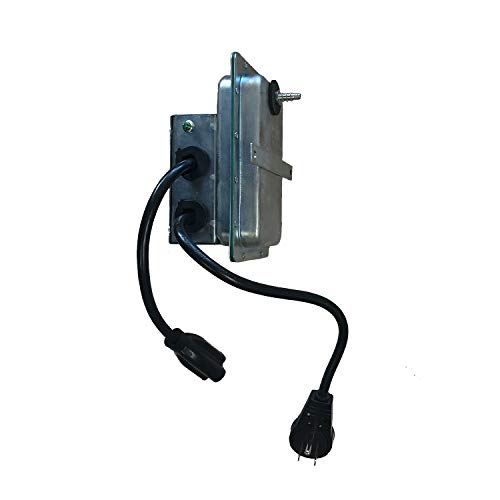
The PS1503P offers the same air pressure-activated control as the PS1503 but in a plug-in format. It’s designed to trigger duct fans when the furnace or AC blower engages and is compatible with various duct fan brands, including Tjernlund Booster Fans. Users can choose between a plug-in setup or simple direct wiring, depending on installation preferences and the system configuration.
SWEthSU Sail Switch Kit For Blower Safety

This replacement sail switch detects adequate air flow before allowing furnace ignition. It lists compatibility with specific AFM and AFLD furnace models and serial ranges, making it a practical safety add-on for systems where air flow verification is critical. The kit focuses on preventing improper blower operation and ensuring safe startup sequences in compatible units.
Standard Motor Products HS-205 Blower Switch

The HS-205 is a basic blower switch option from Standard Motor Products. Described with its part number and country of origin, this switch is a straightforward choice for replacing or upgrading blower control functionality in compatible systems. It provides a reliable alternative for technicians focusing on components with broad compatibility.
UAC SW 11117C Blower Control Switch

The UAC SW 11117C is positioned as an OE replacement blower switch, constructed for quality and reliability. Marketed for maximum cooling efficiency and standard ISO/TS quality, this switch targets users seeking a durable, brand-aligned replacement that aligns with contemporary HVAC specifications and hard-wearing performance.
Buying Guide: Air Flow Switches For Blower Systems
Key purchase considerations help buyers match products to their system needs. First, determine whether you need a pressure-activated switch, a sail switch, or a universal blower control. Pressure-activated switches respond to duct pressure changes and are often used to regulate fans in central HVAC setups, while sail switches monitor airflow in furnaces to prevent ignition without adequate airflow. Universal switches offer broader compatibility but may require more careful wiring.
Compatibility and installation are critical. Check the model’s brand, wiring options, and whether the product supports direct wiring or plug-in setups. Some units, like the PS1503P, emphasize plug-in convenience, which can simplify retrofits. For safety-sensitive systems, a sail switch kit can provide an essential fail-safe against low airflow before ignition.
Quality and certification matter for long-term reliability. Look for products with solid part documentation, clear compatibility notes, and reputable brands. Consider the operating environment, such as whether the switch needs to withstand high temperatures, vibration, or industrial settings. Read installation guides and verify that the switch matches the furnace or air handler’s electrical specifications.
Performance and maintenance should guide selection. Some switches are designed for universal blower applications, while others are tailored to specific models or brands. For homeowners, plug-in options may reduce installation time, whereas HVAC pros might prioritize direct wiring for cleaner integration. When in doubt, consult the system’s service manual or a qualified technician to ensure correct operation.
Cost considerations are practical. Budget-friendly options may cover most residential needs, but investing in a higher-quality switch can pay off through longer life, fewer false triggers, and safer startup sequences. Finally, warranty and return policies are useful safety nets should compatibility questions arise after installation.