Air ionizers integrated with HVAC systems can help reduce airborne pollutants by charging particles and helping them settle or be captured by filters. This guide reviews top models suited to residential and small commercial setups, highlighting ease of installation, filtration options, and maintenance considerations. Each section provides an objective look at features, performance, and potential trade-offs to help you choose the right ionizer for your space.
Summary of Selected Products
| Product | Brand | Type | Key Benefit |
|---|---|---|---|
| i-Wave-R / iWave-R | iWave | Residential IAQ Ion Generator | Portable, plug-and-play for HVAC-integrated air quality |
| Clarifion 3 Pack | Clarifion | Negative Ion Filtration | Simple plug-in units for multiple rooms |
| AZEUS True HEPA Purifier | AZEUS | HEPA + UV + Ionic | Large-room coverage with UV and ionic purification |
| RGF Reme Halo | RGF | In-Duct IAQ Ionizer | OEM component with enhanced catalyst for faster kill |
| POMORON 4-in-1 Purifier | POMORON | Ionizer + HEPA + UV + Diffuser | Multi-function in one unit with scent diffusion |
i-Wave-R / iWave-R IAQ Generator
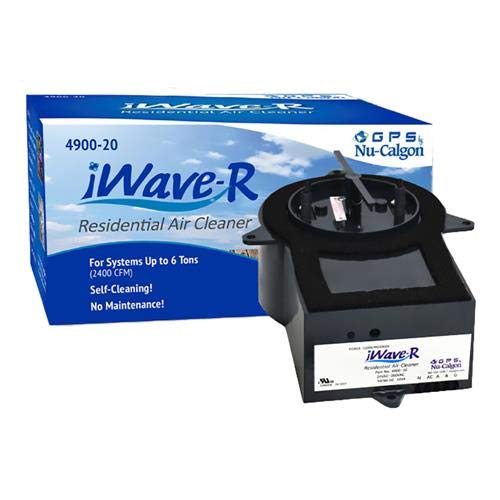
The iWave-R is positioned as a portable residential IAQ ion generator designed for integration with standard HVAC systems. Its features emphasize compatibility with residential power sources and simple installation, reducing the need for extensive retrofits. For homeowners seeking an unobtrusive approach to improving particle control and odor reduction, iWave-R provides a familiar plug-and-play option. When evaluating performance, consider the room size, HVAC airflow, and whether you need a compact, modular device that can be moved to different zones rather than a fixed in-duct unit.
Clarifion Air Ionizers (3 Pack)

Clarifion’s trio of plug-in ionizers offer a simple approach to improving indoor air in multiple rooms without ongoing filter costs. These devices operate on negative ion technology and are designed to reduce odors and particulates in spaces such as bedrooms, living areas, kitchens, and offices. A key advantage is the lack of consumable filters, which helps keep maintenance predictable. Potential considerations include ensuring adequate room placement for ion distribution and managing any sensitivities to ionization near occupants in enclosed spaces.
AZEUS True HEPA Purifier with UV and Ionic

AZEUS combines HEPA filtration with UV light and an ionic generator to address a broad spectrum of airborne contaminants, including pollen, smoke, and pet dander. The unit claims substantial room coverage and a 5-in-1 filtration approach designed to capture particles as small as 0.3 microns. It is well-suited for larger living areas, offices, and mixed-use spaces where persistent odors or smoke are a concern. When evaluating, compare CADR (clean air delivery rate) and the balance between filtration stages and energy use for the intended room size.
RGF Reme Halo In-Duct IAQ Ionizer
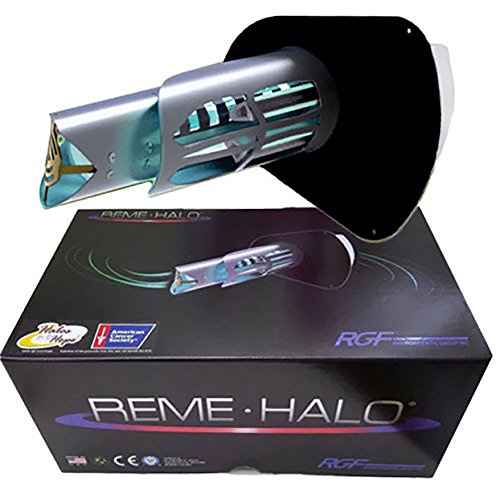
The RGF Reme Halo is designed as a genuine OEM component intended for integration inside HVAC ducts. This in-duct purifier uses an enhanced catalyst and a zinc-based formulation to accelerate microbial kill rates. It offers a robust approach to IAQ in both homes and light commercial settings, with the advantage of staying out of sight within the ductwork. Consider compatibility with your existing HVAC model and potential service needs for replacement cells or catalysts when planning installation.
POMORON 4-in-1 Air Purifier With Ionizer
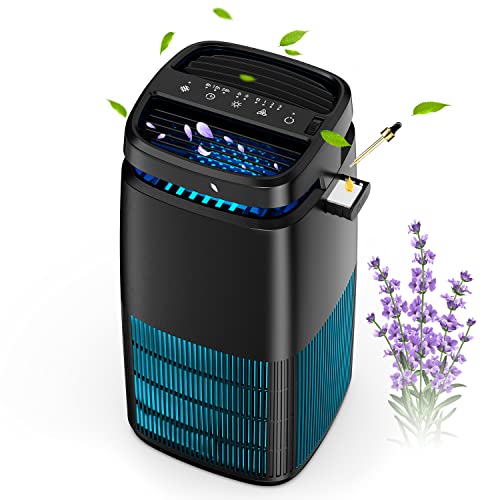
POMORON offers a 4-in-1 air purifier that blends an ionizer with an H13 HEPA filter, UV light, and an essential oil diffuser. This multi-function unit targets common indoor pollutants while providing additional odor control through diffusion. It is appropriate for bedrooms, living rooms, and home offices where users seek a compact, all-in-one device. When selecting this option, verify the diffuser’s settings, the filter replacement schedule, and how the UV component is integrated with regular maintenance.
Buying Guide: Key Considerations For HVAC Ionizers
- <strongCompatibility: Confirm whether the ionizer is designed to be installed inside ducts, mounted near the furnace, or used as a portable add-on. In-duct units often require professional installation but are less visible, while portable units offer flexibility but may have limited reach.
- <strongFiltration vs. Ionization: Many products combine HEPA filtration, UV-C, and ionization. Evaluate whether you mainly need particle removal, odor reduction, or microbial control, and choose a system that aligns with those targets.
- <strongRoom Size And CADR: For purifiers with filtration, check the effective coverage. Larger rooms require higher CADR and adequate airflow, especially if the unit is duct-mounted rather than inline with the HVAC blower.
- <strongMaintenance: Consider filter replacement frequency, ionizer consumables, and any cleaning requirements. Some devices use no filters, which reduces ongoing costs but may rely more on ionization performance.
- <strongEnergy Use And Noise: Some HVAC-integrated options run continuously. Review energy consumption and noise levels to ensure comfort in living spaces or bedrooms.
- <strongSafety And Odor Considerations: Ionization can affect people with certain sensitivities or pre-existing respiratory conditions. Ensure the device is certified for residential use and installed according to the manufacturer’s instructions.
- <strongInstallation Cost And Serviceability: In-duct systems may require HVAC professional installation, whereas plug-in or portable units are typically user-installable. Plan for potential service needs, such as replacing catalysts or UV bulbs.
- <strongMulti-Unit Strategy: For larger homes or multi-room environments, a combination of in-duct and portable units can provide both centralized and zone-based air quality improvements.
When comparing models, look for documented IAQ improvements, independent testing results, and reputable brand support. While ionizers can contribute to cleaner air, they work best when combined with proper ventilation, humidity control, and routine HVAC maintenance. Assess your space, budget, and comfort preferences to determine whether a single in-duct purifier, a set of plug-in units, or a mixed approach delivers the best overall air quality gains.