Best 9 Inch Flue Pipe Options for Safe Home Heating Venting
Answering the common buyer question: which 9 inch flue pipe is best for venting water heaters, furnaces, and boilers in homes or light commercial spaces. This guide highlights five solid options, explains who they’re best for, and points out any notable limitations. It’s designed for homeowners, contractors, and DIY enthusiasts looking for durable galvanized or stainless steel solutions. A concise product table follows to help you compare key options at a glance.
| Product | Brand | Pipe Type | Best For |
|---|---|---|---|
| PlumberStop 9″ x 24″ Single Wall | PlumberStop | Galvanized, Single Wall | Residential water heater, furnace, boiler venting |
| PlumberStop 9″ Single Wall 90° Elbow | PlumberStop | Galvanized, 90° Elbow | Redirected vent runs in tight spaces |
| Imperial 9″ Dia. X 24″ Galvanized | Imperial | Galvanized, 26 GA | Standard vertical venting in compact layouts |
| PlumberStop End Cap/Plug 9″ | PlumberStop | Galvanized, End Cap | Terminating or capping a vent line |
| RDP 9″ Galvanized Flue Plug | RDP | Galvanized, 28 GA | End termination with crimp-fit |
PlumberStop 9″ x 24″ Single Wall Galvanized Chimney Flue Vent Pipe

Best for: Residential venting where a durable, corrosion-resistant single-wall pipe is required. The 26 GA galvanized steel construction resists corrosion over time, supporting long-term venting for water heaters, furnaces, and boilers. The smooth interior promotes better airflow and helps minimize condensation buildup inside the pipe, which can improve overall vent efficiency.
Why chosen: This model emphasizes simple, reliable venting with a straightforward installation profile. It’s a solid all-purpose choice for standard vertical or near-vertical runs in homes and light commercial settings. A clear advantage is its robust corrosion resistance and smooth interior surface, which reduces turbulence and improves vent performance.
Caution: Single-wall flue pipes can heat up along their length; ensure adequate clearance from combustibles and follow local code requirements for installation and vent clearances.
PlumberStop 9″ Single Wall Galvanized Chimney Flue Vent Pipe Adjustable 90 Degree Elbow
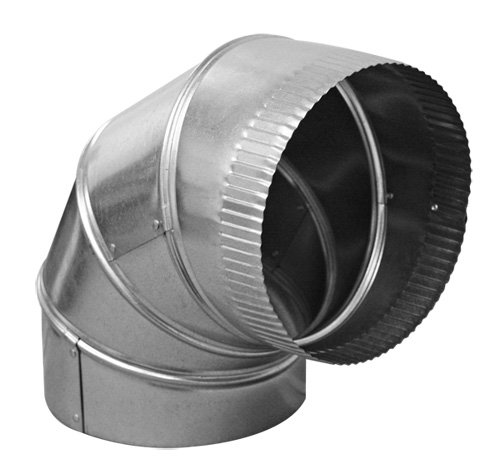
Best for: Narrow installations or spaces needing a turn to route venting efficiently. The adjustable 90-degree elbow helps accommodate changes in direction without fabricating a custom bend. It’s ideal for short, localized vent paths in homes or light commercial settings.
Why chosen: The elbow provides versatile routing without the need for multiple fittings, reducing potential leak paths and easing installation. It pairs well with the corresponding 9″ x 24″ pipe for compact setups where space is at a premium.
Caution: Elbows add resistance to airflow; excessive bends or sharp turns can reduce draft and increase condensation risk if not sized correctly for the whole vent system.
Imperial 9″ Dia. X 24″ Galvanized 26 GA Steel

Best for: Compact, straightforward vertical vent runs where a standard 9″ diameter galvanized pipe is required. This option offers a simple, durable solution for residential furnace or boiler venting in space-constrained setups.
Why chosen: Imperial’s pipe is a recognized, straightforward option in 26 GA galvanization. Its dimensions fit standard flue connections and it provides reliable airflow along the vent path without extra fittings.
Caution: While resilient, galvanized steel can be sensitive to long-term thermal cycling. Ensure proper clearances and follow applicable codes for installation and sealing at joints.
PlumberStop 9″ Single Wall Galvanized Chimney Flue Vent Pipe End Cap/Plug

Best for: Systems needing a safe termination or end cap on a vent run. End caps help seal off a pipe when a section is not in use or when completing a vent line in a controlled manner.
Why chosen: End caps are essential for completing vent projects and preventing unwanted exhaust leakage or moisture intrusion inside unused pipe segments. This model matches the PlumberStop line for consistency in material and finish.
Caution: End caps must be correctly sized to avoid gaps around the cap; improper fit can compromise vent integrity and safety.
RDP Galvanized Flue Plug with Crimp- 9 inch

Best for: Terminating the end of a flue with a secure, crimped connection. This plug is suitable for end-of-line closures in galvanized vent systems.
Why chosen: The heavy-duty 28-gauge galvanized steel construction provides a snug fit and a reliable seal at the pipe end, helping to maintain system integrity where an end cap or plug is needed.
Caution: Ensure compatibility with the existing pipe diameter and confirm the crimped end seats fully inside the pipe to avoid leakage or movement over time.
Buying Guide
Key considerations when choosing a 9 inch flue pipe:
- Material and gauge: Galvanized steel offers corrosion resistance and affordability; thicker gauges resist denting and wear but may be heavier to handle.
- Vent path and configuration: Determine whether you need straight runs, elbows, or end caps. Elbows help in tight spaces, but they increase flow resistance.
- Compatibility: Confirm diameter, wall thickness, and connection style with your existing vent system and equipment (water heaters, furnaces, boilers).
- Code compliance: Local building and venting codes govern clearances and materials. Use components that meet relevant standards for safe operation.
- End terminations: If capping or finishing a vent, choose an appropriate end cap or plug to prevent moisture intrusion and air leaks.
- Installation ease: Consider compatibility of parts from the same brand for a tight seal and straightforward assembly, especially in restricted spaces.
Comparative Quick Tips
- Best overall durability: PlumberStop 9″ x 24″ Single Wall with smooth interior.
- Best for tight spaces: PlumberStop 9″ Adjustable 90 Degree Elbow.
- Best straightforward venting: Imperial 9″ Dia. X 24″ Galvanized.
- Best for terminating a run: PlumberStop End Cap/Plug or RDP Flue Plug.
Frequently Asked Questions
- What is the proper diameter for a 9 inch flue pipe?
– It refers to the inside diameter. Ensure your flue pipe diameter matches the outlet diameter of your heater or furnace for a proper seal. - Can I mix galvanized steel with stainless steel components?
– Mixing metals is generally discouraged due to galvanic corrosion risk; use compatible materials or appropriate coatings and sealants where recommended. - Do I need an elbow if my vent path is straight?
– No; use straight sections if possible to minimize resistance and improve draft. Use elbows only when space constraints require a change in direction. - Are end caps required at the end of a vent run?
– End caps help prevent drafts, moisture intrusion, and pests. They are recommended when a vent is not actively venting a device. - What maintenance is needed for galvanized flue pipes?
– Inspect for corrosion, rust spots, and loose connections. Clean any condensation deposits to maintain airflow efficiency. - How do I choose between a single-wall and insulated flue pipe?
– Single-wall pipes are simpler and affordable, suitable for short runs. Insulated or double-wall pipes are preferred for longer runs to reduce heat loss and condensation.