Answering the question: which venting options work best for basement pellet stoves? This guide compares five top products designed to vent exhaust and provide fresh air intake where needed. It helps homeowners, installers, and DIY enthusiasts pick practical, code-conscious components for safer basements and better combustion. The top picks cover wall thimbles, durable vent pipes, fresh air kits, elbows, and double-wall connectors—each chosen for ease of installation, reliability, and compatibility with common stove systems.
| Product | Best For | Key Benefit |
|---|---|---|
| Duravent Pellet Vent Pro PVP 3″ Wall Thimble | Homes needing integrated exhaust and outside air intake | Streamlined installation with air intake and exhaust in one unit |
| M&G DuraVent 3×36 3PVL-36R | Durable, American-made venting for longer runs | Reliable, simple 3″ x 36″ pellet vent pipe |
| Pellet Stove Fresh Air Intake Kit, 2″ Outside Air Kit | Enhancing combustion with 2″ fresh air supply | Aluminum flex tube and robust components for outside air |
| DuraVent PelletVent Pro PVP 3″ 90 Degree Elbow | Flexible routing through tight spaces | Twist-Lock, durable elbow for corners |
| DuraVent PelletVent Stainless Steel Double Wall 12″ Pipe | Smoke-free conditioning and multi-fuel support | Double-wall design for safety and efficiency |
Duravent Pellet Vent Pro PVP 3″ Wall Thimble with Air Intake

The Duravent PVP wall thimble combines exhaust venting and outside air intake into a single, compact assembly. Best for basement installations where a dual-function unit reduces wall penetrations and simplifies sealing. Ideal for buyers seeking a simplified installation that minimizes drafts through through-wall penetration. The included insulation ring helps prevent drafts where the pipe passes through, improving efficiency and comfort in cooler basements.
Who this is best for: homeowners or installers aiming to shorten install steps and reduce exterior wall holes while maintaining proper ventilation. Caution: ensure the thimble size matches the pellet stove vent diameter and follow local clearance requirements.
M&G DuraVent 3×36 3PVL-36R 3″ x 36″ Pellets Vent Pipe
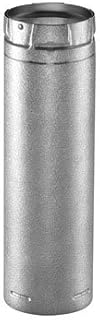
From the United States, this 3″ x 36″ pellet vent pipe is marketed for durability and straightforward use. It’s a solid choice for long vent runs in basements where reliable performance and steady airflow are needed. Best for buyers who want a straightforward, durable venting segment with American manufacturing emphasis. Limitation: as a basic vent pipe, it may require compatible adapters or fittings for some stove models.
Pellet Stove Fresh Air Intake Kit, 2″ Outside Air Kit

This 2″ outside air kit includes a thick aluminum flex vent with up to 60″ extension, plus wall plate, screen, screws, and hose clamps. Best for basements needing improved combustion air without compromising living space. Choose this if your room air was insufficient for efficient burning. Caution: confirm your stove’s compatibility with a 2″ intake and ensure sufficient exterior wall clearance for the wall plate.
DuraVent PelletVent Pro PVP 3″ 90 Degree Elbow

The 3″ diameter 90-degree elbow helps navigate tighter corners and redirect vent paths. Best for installations with limited vertical space or need to change direction around obstacles. The outer wall uses a Galvalume laser-welded construction with Twist-Lock connections for secure, tight joints. Limitation: elbows may add slightly more resistance to airflow than straight runs, depending on total system length.
DuraVent PelletVent Stainless Steel Double Wall 12″ Pipe

This 12″ long, 3″ diameter double-wall pipe is designed to keep smoke and heat contained while venting exhaust safely outside. Best for multi-fuel or more demanding basement setups where a robust, insulated connection is desired. It aligns with PelletPro vent series style fittings for easier customization. Caution: ensure the total run keeps within recommended venting length for your stove model and avoid excessive bends that could impede airflow.
Buying Guide
What to consider when venting a pellet stove in a basement:
- Vent type: Choose between wall thimbles with integrated air intake, separate vent pipes, or elbows based on space and ease of sealing.
- Diameter compatibility: Most pellet stoves use 3″ venting; confirm your model’s inlet/outlet size to prevent leaks or insufficient draft.
- Fresh air needs: Basements often have limited outside air access. A dedicated outside air kit can improve combustion and reduce room negative pressure.
- Material and finish: Stainless steel or Galvalume offer durability and corrosion resistance in damp environments. Double-wall designs help with heat containment.
- Installation considerations: Local codes may dictate clearances, wall penetrations, and vent routing. Using components from the same brand family can simplify connections.
- Maintenance and inspection: Look for components with accessible joints and straightforward cleaning paths to maintain performance over time.
Frequently Asked Questions
- Q: Do I need a fresh air kit for basement pellet stoves? A: Fresh air kits can improve combustion efficiency and reduce the likelihood of negative air pressure in the living space.
- Q: Can I mix vent brands with my stove? A: Mixing brands is possible but requires verifying compatibility, fittings, and code compliance for safe operation.
- Q: What is the purpose of a wall thimble with air intake? A: It combines exhaust and intake through a single wall penetration, reducing installation time and potential drafts.
- Q: How long can a vent run be for a pellet stove? A: Length limits vary by stove model and vent type; consult product specs and local codes for maximum run length.
- Q: Is stainless steel worth the extra cost for basement venting? A: For damp or variable basement environments, stainless steel offers enhanced durability and corrosion resistance.
- Q: Should I use a 90-degree elbow in venting? A: Elbows help route around obstacles but can increase resistance; plan the layout to minimize bends while meeting space constraints.