When choosing a hot water heater, the best option depends on your home size, space, and energy priorities. This guide highlights five top Amazon picks, ranging from compact electric units for apartments to high-capacity hybrids and reliable gas tankless systems for larger households. Each product is evaluated for who it’s best for, why it was selected, and practical cautions to consider. Whether you need a space-saving apartment heater or a whole-home solution with smart features, you’ll find clear, comparison-ready details below.
| Product | Best For | Why It Stands Out |
|---|---|---|
| GE 18 Gallon Plug-and-Play Electric | Small spaces / single hookup | Compact, easy 120V install, flexible placement |
| GE 40 Gallon Short Electric with WiFi | Families / whole home heating | Smart controls and true 40-gallon capacity |
| Senville Hybrid 50 Gallon | Energy savings for medium homes | High efficiency, substantial energy savings |
| MIZUDO Gas Tankless 10.3 GPM | Endless hot water / busy households | On-demand heating with WiFi control |
| GE 18 Gallon Lowboy 240V | Tight spaces / budget-friendly | Height-constrained option with easy setup |
Ge Appliances 18 Gallon Plug-and-Play Electric Water Heater

Best for: renters or small households with limited space. This unit provides hot water for a single hookup or small apartments by connecting to a standard 120-volt supply. It installs quickly with existing plumbing and uses standard 3/4-in NPT connections, making it a practical choice where space is at a premium. A potential limitation is its smaller capacity, which may run low during simultaneous uses for more than one person.
Why selected: its compact design and straightforward 120V setup make it a top pick for apartments, studios, and minor renovations where a traditional large heater doesn’t fit.
GE Appliances Smart 40 Gallon Short Electric Water Heater

Best for: families who want reliable hot water and smart monitoring. This unit delivers a true 40 gallons with a first-hour rating suitable for moderate to heavy hot water use. It includes built-in WiFi powered by SmartHQ to adjust temperatures, monitor remaining hot water, and set vacation schedules. A limitation is the need for 240V electrical supply and a stable home network for full smart features.
Why selected: its combination of generous capacity and modern connectivity makes it a strong all-around home option for households that want both performance and convenience.
Senville Hybrid Heat Pump Electric Water Heater, 50 Gallon

Best for: energy-conscious households seeking substantial savings. This Energy Star-rated hybrid uses heat pump technology to extract heat from the air, reducing electricity use by up to 70% versus standard electric heaters. It offers a 50-gallon capacity and a high 3.75 UEF, with a healthy first-hour rating. However, installation may require space for the heat pump unit and potential mounting considerations in closets or mechanical rooms.
Why selected: its superior energy efficiency translates to long-term operating savings, making it a robust pick for homeowners prioritizing lower electricity usage.
MIZUDO Natural Gas Tankless Water Heater

Best for: households seeking uninterrupted hot water with on-demand heating. This gas tankless option provides up to 10.3 GPM to support simultaneous use across multiple fixtures. It includes WiFi and app control for temperature and scheduling, plus a broad adjustable range up to 149°F. A caution is that venting and gas line requirements should be verified for proper installation, and performance can vary with low-flow conditions.
Why selected: on-demand heat eliminates standby energy loss, making it ideal for busy homes that want endless hot water without a storage tank.
GE Appliances 18 Gallon Versatile Electric Water Heater (Lowboy)
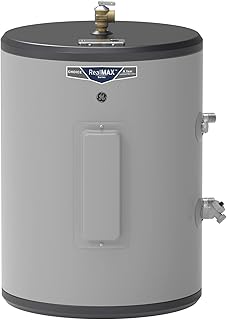
Best for: tight spaces where height is the main constraint. The height-constrained lowboy design fits under countertops or in closets with limited vertical space while supporting a small household. It uses standard connections for a quick setup and is intended for households of 1–2 people. A limitation is its compact size, which can limit simultaneous hot water use.
Why selected: this model optimizes vertical space, making it a practical choice for apartments, cottages, or utility rooms with height restrictions.
Buying Guide: How to Choose the Right Hot Water Heater
What size do you need? Typical household needs hinge on occupancy and shower frequency. Small homes often do well with 18–40 gallon electric models, while larger families may require 50–80 gallons or a tankless system for endless supply. Consider peak hourly demand and the first-hour rating to estimate capacity.
Electric vs gas: Electric heaters are common for apartments and spaces with straightforward wiring. Gas tankless heaters offer endless hot water but require proper venting and gas lines. Hybrid heat pumps provide energy savings but may require more space and ambient air temperature considerations.
Space and installation: Measure available space and check for venting, drainage, and electrical vs gas requirements. Compact “lowboy” designs fit under counters, while wall-mounted options save floor space. Ensure connections match standard 3/4-in NPT fittings or as specified by the model.
Smart features and controls: Some models offer WiFi, vacation modes, and remote temperature adjustments. Smart monitors can help manage energy use and predict hot water availability, but they rely on network stability for full functionality.
Energy efficiency: Look for high energy-factor (EF) ratings or UEF for hybrids. Hybrids typically deliver the greatest savings over time, though initial cost may be higher. DOE-rated first-hour ratings provide a realistic view of performance under peak demand.
FAQ
- What size water heater do I need for a family of four? A 40–50 gallon electric water heater is commonly suitable, but consider peak demand and the first-hour rating for accurate sizing.
- Are tankless water heaters more expensive to install? Yes, installation can be more complex due to gas lines or electrical demands and venting requirements, but they offer on-demand hot water and potential energy savings.
- Can I install a water heater myself? Some electric units are DIY-friendly, while gas and vented systems typically require licensed installation to ensure safety and code compliance.
- Do smart water heaters save energy? Smart controls help adjust usage and monitor remaining hot water, which can reduce energy waste when used consistently.
- What maintenance is needed? Regular flushing to remove sediment and periodic inspection of connections help maintain efficiency and extend life.
- Which option is best for a tight space? Lowboy or compact electric models designed for limited heights are ideal in such scenarios.