Best Emergency Heaters Non Electric for Reliable Cold-Weather Comfort
When power outages strike or cold fronts roll in, non-electric emergency heaters can provide essential warmth and practical flexibility. This guide highlights five top kerosene- or non-electric options that balance heat output, fuel capacity, and portability. Best for cabins, garages, camping bases, and backup heating, these units support cooking, radiant heat, or both. The following selections target different needs—from long burn times to compact portability—so you can pick the right unit for your space and climate.
Summary of top picks
- Best overall for versatility: Kerosene Heater with 2-in-1 cooking and heating capability
- Best burn time: Long-running 4.5L fuel capacity models with up to 21 hours
- Best portable design: Slim, adjustable-height kerosene stoves for indoor/outdoor use
- Best for safety and everyday use: Models with automatic shut-off and tip-over protection
- Best compact option for small spaces: 9000 BTU kerosene heater with dual-function surface
Kerosene Heater With 2‑in‑1 Cooking and Heating
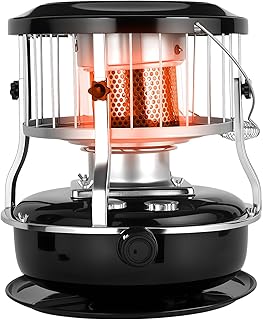
This model functions as both a stove and a heater, making it ideal for households that want cooking capability during outages or camping trips. It heats rooms up to about 15 square meters, which suits small living spaces, cabins, or workspaces. The dual-use design means it can boil water or cook while also delivering radiant heat at night. It is best for users seeking an all-purpose device for heating and food prep without electricity.
Selected for: People who want cooking and heating in one unit. It provides reliable warmth with a practical everyday use case, especially in small to medium spaces.
Limitations: The fuel source is kerosene, which requires safe handling and proper ventilation. Users should follow fuel storage and operation guidelines to avoid odors or fumes indoors.
2 in 1 Portable Kerosene Heater and Stove

This compact heater delivers up to 9000 BTU to warm areas around 107.64–161.46 ft², making it a strong option for camping, garages, or emergency heating. With a 4.6L fuel tank, it provides about 15–17 hours of steady warmth, reducing refueling during critical times. The adjustable height enhances flexibility for different settings, from tent setups to indoor rooms. This unit is best for users who need a longer open-air or garage heating solution with simple fuel management.
Selected for: Outdoor enthusiasts and emergency planners who want a portable, mid-range heater with cooking potential and extended burn time.
Limitations: Heavier than ultra-compact units; ensure stable placement on uneven surfaces to avoid tipping when transporting.
Sengoku HeatMate Portable Kerosene Heater

The Sengoku HeatMate is designed for portability and reliability with a 1.2-gallon kerosene tank that can run up to 14 hours. It is positioned as a compact space heater suitable for indoor and outdoor use, with automatic safety shut-off and a push-button start to avoid matches or electricity. It suits small rooms, workshops, or tents where consistent heat is needed without power access.
Selected for: Users who prioritize long, quiet operation with straightforward ignition and a built-in safety shut-off. Best for small spaces and portable setups.
Limitations: A smaller fuel tank means more frequent refueling than higher-capacity models, especially in cold environments.
Takywep Small Space Heater With Ceramic Tech

This electric space heater uses PTC ceramic technology for rapid heat with two settings: 1500W and 750W, plus a cooling fan to address cold spots. It includes a thermostat that automatically turns off heating when the target temperature is reached and safety features like overheating and tip-over protection. It is best for rooms where electricity is available and users want fast, controllable heating without kerosene. It offers a reliable alternative when non-electric options are not necessary.
Selected for: Indoor spaces where electricity is accessible and quick, adjustable warmth is desired. Ideal for offices, bedrooms, or small living areas.
Limitations: Not suitable as a backup during power outages since it relies on electricity to operate.
Kerosene Heater 9000 BTU Portable Indoor Stove

This 9000 BTU kerosene heater is designed for emergency heating and portable use. It doubles as a cooking surface by day and shifts to radiant heating by night, warming spaces up to 15 square meters. It uses a 4.5L fuel capacity to extend burn time, offering 16–21 hours of warmth per full tank. Best for homes or cabins needing a resilient, dual-function heat source that avoids dependence on electricity.
Selected for: Users seeking robust heating and cooking capability in one unit with long burn times. Choose this if you want a dependable standby heater for outages.
Limitations: Ensure adequate ventilation and proper storage of kerosene fuel to prevent odors or health concerns indoors.
Buying Guide: Non-Electric Emergency Heaters
- Fuel type and burn time: Look for models with larger fuel tanks if you want extended warmth without refueling. Consider burn times in hours per full tank and how that aligns with your outage or camping plans.
- Heat output: BTU ratings indicate heat capability. Choose based on the room size you intend to warm. Larger spaces need higher BTU; smaller spaces may overheat with powerful units.
- Dual-function options: Some models combine heating with cooking surfaces, which can be valuable during outages. Confirm the surface heat and safety features for daily indoor use.
- Portability and setup: For use in multiple locations (home, garage, cabin, camping), prioritize adjustable height, handle design, and a stable base to reduce tipping risk.
- Ventilation and safety: Non-electric heaters require proper ventilation to minimize fumes. Look for models with automatic shut-off, tip-over protection, and flame control knobs for safe operation.
- Indoor suitability: Ensure the unit is designed for indoor use and meets local guidelines for kerosene or similar fuels. Check any odor considerations and recommended clearance from walls or furniture.
- Maintenance: Regularly inspect fuel lines, wick (if applicable), and seals. Proper refueling during steady operation reduces odor or risk of leakage.
Frequently Asked Questions
- Q: Can I run a kerosene heater indoors safely?
- A: Yes, but only with proper ventilation and adherence to the manufacturer’s safety guidelines. Use in well-ventilated spaces and keep combustibles away.
- Q: How long do non-electric heaters typically burn on a full tank?
- A: Burn times vary by model and fuel capacity; many range from 14 to 21 hours on a full tank, depending on heat settings and outdoor conditions.
- Q: Are these heaters good for continuous use during power outages?
- A: They can be, provided fuel is available and ventilation is sufficient. Always follow safety instructions and monitor for odors or fumes.
- Q: Do non-electric heaters require electricity to operate?
- A: Most kerosene and other non-electric models do not require electricity. Electric heaters in this list rely on power, so they are not suitable during outages unless you have a separate power source.
- Q: What space size is appropriate for a 9000 BTU heater?
- A: A 9000 BTU heater is typically suitable for spaces around 107 to 161 square feet, depending on insulation and airflow.