Answer: This guide highlights energy efficient propane heaters that deliver reliable warmth while saving energy. It targets buyers seeking portable, vented, or wall-mounted options for garages, patios, and living spaces. The top picks are best for different spaces and uses, from portable warmth during outages to steady heat in enclosed rooms. A quick overview table below summarizes each product’s ideal application and heat capability.
| Product | Best For | Approx. Area Heated | Key Benefit |
|---|---|---|---|
| Mr. Heater 9,000 BTU Portable Buddy | Small rooms or indoor/outdoor spots | Up to ~225 sq ft | Versatile radiant heat in a compact form |
| Mr. Heater 30,000 BTU Vent Free Radiant | Medium to large spaces | Up to 1,000 sq ft | High output with electronic ignition |
| Mr. Heater 30,000 BTU Vent Free Blue Flame Dual Fuel | Large, well-insulated areas | Up to 1,000 sq ft | Dual-fuel flexibility with reliable ignition |
| Jocoevol Propane Heater Outdoor 18,000 BTU | Outdoor spaces, power outages | Up to 450 sq ft | Three safety layers and cordless operation |
| Comfort Glow 11,000 BTU Direct Vent | Wall-mounted zones | Up to 350 sq ft | Thermostatic control and sealed vent system |
Mr. Heater 9,000 BTU Portable Buddy Radiant Propane Heater

- BTU options: 4,000 or 9,000 BTU/hr radiant heat.
- Designed for indoor and outdoor use; versatile in small spaces or on the go.
- Heats up to approximately 225 square feet.
Best for: Portable warmth in small rooms, tents, or workshops. Choose this when you need a compact heater with flexible heat settings and easy transport. Caution: use only in well-ventilated areas and follow manufacturer guidelines for indoor use.
Mr. Heater 30,000 BTU Vent Free Radiant Propane Heater

- High heat output: 30,000 BTU/hr; heats up to 1,000 sq ft.
- Vent-free radiant heat with electronic ignition (battery included).
- Best for medium-to-large spaces where powered ventilation is not available.
Best for: Larger rooms or open-plan areas where steady radiant warmth is needed. Avoid in poorly insulated spaces or where CO detectors are not present. Caution: ensure proper ventilation to maintain air quality.
Mr. Heater 30,000 BTU Vent Free Blue Flame Dual Fuel

- BTU/HR: 30,000; heats up to 1,000 sq ft.
- Dual-fuel capability and battery-operated electronic spark ignition (battery included).
- Best for flexible fuel choice and reliable ignition in larger spaces.
Best for: Homes or workspaces needing fuel versatility and dependable start-up. Caution: as with vent-free models, ensure adequate ventilation and follow safety guidelines for gas appliances.
Jocoevol Propane Heater Outdoor 18,000 BTU

- Three heating modes: 6,000/12,000/18,000 BTU.
- Warming up to 450 sq ft; outdoor-ready with ODS and tip-over protection.
- Cordless operation; uses a standard 20 lb propane cylinder (not included).
Best for: Outdoor spaces, patios, or garages where electricity may be limited. Caution: ensure safe use outdoors and keep away from enclosed indoor spaces to avoid moisture buildup and ensure ventilation.
Comfort Glow 11,000 BTU Direct Vent Liquid Propane Heater
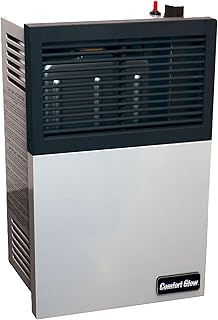
- 11,000 BTU vented heater with thermostatic control; heats up to 350 sq ft.
- Sealed burn system with electronic ignition and safety pilot; built-in regulator for gas flow control.
- Wall-mountable direct vent design for space-saving warmth.
Best for: Small-to-medium rooms where a wall-mounted solution is preferred for longevity and space efficiency. Caution: direct vent design requires proper venting to the outdoors and clearances from combustibles.
Buying Guide: Key Considerations For Energy Efficient Propane Heaters
- Space and heat requirements: Match BTU output to the size of the space. Smaller rooms benefit from 4,000–9,000 BTU units, while larger rooms may need 30,000 BTU or dual-fuel options.
- Ventilation: Vent-free models require adequate ventilation to maintain indoor air quality. Direct vent units pull air from outside and vent combustion byproducts outdoors, which can be safer for indoor use.
- Fuel flexibility: Dual-fuel or propane-only designs affect installation practicality. Consider availability of propane and the ability to swap fuels if needed.
- Ignition and reliability: Electronic ignition with battery backup improves reliability during outages or power-independent operations. Look for units with a secure ignition system.
- Safety features: Low oxygen protection, tip-over shutoff, flame failure safeguards, and built-in regulators reduce risk in home environments. Always place heaters on stable surfaces away from flammables.
- Installation considerations: Wall-mounted units save space; portable units offer versatility for different rooms or outdoor gatherings. Verify clearance requirements and enclosure needs.
- Portability vs. permanence: Portable heaters excel for temporary warmth or outdoors; vented wall heaters suit permanent room heating. Choose based on intended use pattern.
- Maintenance and servicing: Regular inspection of hoses, connections, and ignition components helps maintain efficiency and safety. Follow manufacturer maintenance schedules.
Frequently Asked Questions
- What does BTU mean in propane heaters?
– BTU, or British Thermal Unit, measures heat output. Higher BTU indicates more heat; choose a level appropriate for your space. - Are vent-free propane heaters safe for indoor use?
– Vent-free models can be used indoors in well-ventilated spaces. Follow manufacturer instructions and use carbon monoxide detectors as a precaution. - Can I use any propane heater in a garage?
– Yes, provided the space is adequately ventilated and the heater is rated for indoor use if installed indoors, or used outdoors with proper clearance if venting outdoors.) - Do propane heaters require electricity?
– Some models rely on battery-powered electronic ignition or continuous ignition; others can run without electricity if they’re purely radiant heat units. Check each product’s ignition type. - What safety features should I look for?
– Look for oxygen depletion protection, tip-over shutoff, flame-out protection, sealed burn systems, and proper venting options for indoor use. - How do I choose the right heater for my space?
– Calculate the area in square feet and choose a heater with a BTU rating that suits that space. Consider insulation, ceiling height, and whether you need portable or wall-mounted heating.