Ethanol fireplaces offer a clean, ventless flame that’s easy to enjoy in both indoor and outdoor spaces. This guide outlines the pros and cons of ethanol fireplace fuels and helps you pick the best option for your needs. It’s especially useful for buyers seeking table-top or built-in heaters, decorative flames, or a simple, low-maintenance fire source. The top products below are suited for different spaces—safer for small rooms, patios, or apartments, and versatile for decorative ambiance in living rooms or outdoor lounges.
Summary table of selected products:
- Premium Bioethanol Fireplace Fuel 3×1 Liter — Best for compact indoor and outdoor table setups; ash-free burn.
- 16 Quarts Odorless Ethanol Fuel — Best for long burn and large flame needs; best for frequent users.
- Triti Bioethanol Fuel 1 Liter — Best for odor-sensitive spaces; clean, smokeless burn.
- ROUNDFIRE Premium 12 x 1 Liter — Best for consistent performance across multiple units; high-purity fuel.
- Burner For Ethanol Fireplace — Best for custom or large installations; reliable burner component.
Premium Bioethanol Fireplace Fuel 3×1 Liter
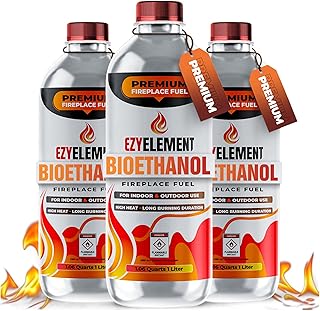
Best for: Small table-top fire features and decorative pits in both indoor and outdoor areas. This plant-based bioethanol formula offers an ash-free flame, making it ideal where clean burning and easy cleanup are priorities. The product is designed to provide a consistent burn suitable for cozy evenings and ambient lighting without the need for ventilation.
Why selected: It’s formulated for clean combustion, which minimizes soot and odor compared with some alternatives. The multi-pack size is convenient for recurring use in compact fireplaces and table-top setups, delivering steady flame performance across multiple sessions.
Limitations: As with all ethanol fuels, flame height and heat output are modest compared with gas or wood options; use in accordance with manufacturer directions and in well-ventilated areas when indoors.
16 Quarts Odorless, Smoke-Free Ethanol Fuel

Best for: Larger living spaces or multiple fireplaces requiring longer burn times and fewer refills. This fuel emphasizes odor-free operation and a vibrant flame, which suits continuous ambient lighting in lounges or outdoor gatherings.
Why selected: Engineered to extend burn time and reduce refills, this product prioritizes efficiency for frequent use. The claimed smoke-free and odor-free profile supports use in spaces where air quality and comfort matter.
Limitations: Availability and consistency of flame color may vary with ambient conditions and ventilation; ensure appropriate placement to avoid drafts that could affect flame stability.
Triti Bioethanol Fuel, Denatured Alcohol — 1 Liter
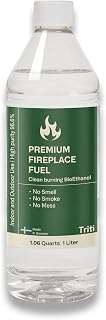
Best for: Indoor and outdoor table-top fireplaces and partitions where odor control is important. The odorless and smokeless burn supports comfortable use in living rooms, dining areas, and covered patios.
Why selected: With a focus on a clean burn and denatured alcohol formulation, this fuel aims to minimize fumes and soot while delivering reliable heat and ambiance for compact setups.
Limitations: Clean-burning performance relies on proper packaging integrity and storage; ensure the cap and seal remain intact to avoid spills during handling.
ROUNDFIRE Premium 12 x 1 Liter

Best for: Homes with multiple ethanol fireplaces or burners needing consistent, high-purity fuel. This option suits kitchens, living rooms, or patios where several units are used together for uniform flame performance.
Why selected: It uses high-purity 96% ethanol to ensure clean, smokeless operation with minimal odor and ash, supporting a more predictable flame across installations.
Limitations: As with all high-purity fuels, storage and handling should follow safety guidelines to prevent spills and accidental ignition.
Burner For Ethanol Fireplace — 47,2″

Best for: Custom installations and large ambient fireplaces that require a robust burner system. This option is suitable for builders or homeowners upgrading a space with a dedicated ethanol fire feature.
Why selected: The presence of a dedicated burner supports flexible design choices and larger flame projects, making it a good fit for ambitious indoor or outdoor setups.
Limitations: This entry focuses on the burner component; ensure compatibility with fuel type and local safety codes before purchase.
Buying Guide
- Flame size and burn time: Consider how long you want the flame to burn between refills and choose fuels with longer burn times if you entertain frequently.
- Odor and smoke: For indoor spaces, odorless and smokeless formulas are preferable to maintain comfort and air quality.
- Purity and ash: Higher-purity ethanol fuels burn cleaner and produce less residue; look for 96% or similar purities when possible.
- Cache and portability: For table-top use or travel-friendly setups, compact, multi-pack options offer convenience and flexibility.
- Storage and safety: Denatured or plant-based fuels should be stored upright in sealed containers away from open flames; follow all manufacturer safety guidelines.
- Compatibility: Match the fuel to your fireplace or burner model; check container seals, pour spouts, and recommended operating conditions.
- Indoor vs outdoor use: Some fuels are optimized for enclosed spaces; others excel in open-air environments with minimal odor concerns.
Frequently Asked Questions
- Are ethanol fuels safe for indoor use?
Yes, many are designed for indoor use when used as directed, but ensure adequate ventilation and follow safety instructions to minimize exposure to any fumes.
- Do these fuels produce smoke or soot?
Most modern ethanol fuels are designed to burn smokeless and ash-free; however, factors like ventilation and flame height can influence byproducts.
- How long does a liter of ethanol fuel burn?
Burn time varies by flame size and appliance efficiency, but higher-purity fuels and well-designed burners typically offer steadier performance and longer runtime.
- Can I mix different ethanol fuels?
Mixing fuels is generally not recommended unless specified by the manufacturer due to potential differences in burn characteristics and safety concerns.
- What should I consider when choosing a fuel for outdoor use?
Outdoors, consider wind, heat tolerance, and the likelihood of the flame being affected by air currents; choose fuels with reliable, stable flames and appropriate spill prevention.
- Is there any maintenance after burning ethanol fuel?
Wipe down any residues regularly and ensure burners and vessels are cool before cleaning to maintain performance and safety.