If you need reliable heat for a garage, workshop, or barn, a hanging propane garage heater is a practical choice. These units provide strong, consistent warmth with ceiling mounting to save floor space. The best options vary by heat output, fuel flexibility, and installation features, so this guide highlights five top models to match different spaces and budgets. The list includes ceiling-mounted propane heaters suitable for large spaces, plus a versatile electric option for comparison. This overview is aimed at buyers seeking safe, durable, and easy-to-install heating solutions.
Summary table of selected products
- Mr. Heater 80,000 BTU – For large garages and workshops needing rapid heat in big spaces.
- Mr. Heater 50,000 BTU – Ideal for mid-sized garages, barns, or workshops with standard thermostats compatible setups.
- Mr. Heater 125,000 BTU – Primary solution for expansive workspaces requiring high heat output.
- ROVSUN 7500W Electric – Best alternative when gas is unavailable or for smoke-free, ventless operation.
- Reznor 60K BTU – Ceiling-mounted propane option designed for indoor use in commercial–residential spaces.
Mr. Heater 80,000 BTU Forced-Air Unit Heater

Heat output: 80,000 BTU. Mounting: ceiling-mounted; fuels: propane or natural gas. Coverage: up to 2,667 square feet. This model is designed to turn large garages, barns, and workshops into heated work areas quickly. Best for: bigger spaces that need robust heating and where ceiling mounting helps maximize floor area. Limitation: color may vary between grey and tan, which could affect overall aesthetic in some installations.
Mr. Heater 50,000 BTU Forced-Air Unit Heater

Heat output: 50,000 BTU. Coverage: up to 1,667 sq ft, roughly a three-car garage. Mounting: ceiling-mounted; fuels: propane or natural gas. Notable feature: compatible with standard 24-volt or new Wi-Fi enabled thermostats (sold separately). Best for: mid-sized spaces that require straightforward installation and thermostat compatibility. Caution: thermostat integration may require additional components or adapters.
Mr. Heater 125,000 BTU Forced-Air Unit Heater

Heat output: 125,000 BTU. Features: electronic ignition, powered exhaust, and liquid propane conversion included. Best for: large commercial or industrial spaces requiring high heat output with reliable ignition and conversion options. Limitation: higher capacity units may require professional installation and venting considerations.
ROVSUN 7500W Electric Garage Heater

Heat output: 7500W (approximately 25,000 BTU). Features: ceiling-mount, thermostat, remote, and app control; 12-hour timer; overheat protection; ETL certified. Best for: spaces where gas installation is not feasible or where ventless operation is preferred. Caution: electrical hardwiring is required; ensure circuit capacity supports continuous operation.
Reznor 60K BTU Propane Garage Heater
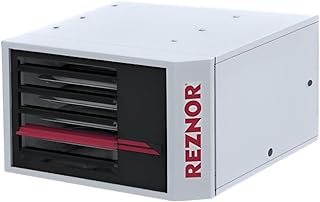
Heat output: 60,000 BTU. Type: ceiling-mounted propane heater for indoor use. Application: suitable for workshops, warehouses, factories, and other commercial or residential spaces needing reliable zone heating. Best for: users seeking a ceiling-mounted propane solution with proven indoor performance. Limitation: installation may require ceiling mounting hardware sold separately.
Buying Guide: Key Considerations For Hanging Propane Garage Heaters
What space size should guide your choice? Larger areas benefit from higher BTU models, while smaller garages can comfortably use mid-range units. Ceiling mounting saves floor space and reduces obstruction in work areas. Consider gas supply options and whether your space already has a compatible thermostat system or needs new controls.
Gas vs electric: Which is better for garages? Propane models deliver high heat quickly and are suitable for uninsulated spaces. Electric units offer a cleaner option with easier installation but may require more electrical capacity and may not reach the same heat intensity as gas in very large spaces.
Installation and safety: Ceiling-mounted units must be securely installed with appropriate mounting hardware. Venting is essential for gas heaters, while electric heaters are ventless by design. Ensure proper clearance from combustible materials and follow local codes for ventilation and exhaust requirements.
Thermostat and controls: Some units support standard thermostats, while others require separate control systems or smart thermostats. For spaces where remote control is valuable, look for models with compatible apps or remotes.
Maintenance and running costs: Regular checks of gas lines, ignition systems, and fans help ensure reliability. Propane units often have higher fuel costs but provide strong warmth quickly, while electric units incur energy costs based on local electricity pricing. Consider the total cost of ownership over time.
Frequently Asked Questions
- What is a hanging propane garage heater? A ceiling-mounted heater that uses propane (or natural gas) to heat garages, workshops, or barns, freeing floor space and delivering rapid warmth.
- Which heater is best for a very large garage? Typically, higher BTU models like 80,000–125,000 BTU units are better suited for expansive spaces when ceiling height and insulation allow efficient heat distribution.
- Do these heaters require ventilation? Yes, most propane or natural gas heaters require adequate ventilation to prevent carbon monoxide buildup and ensure safe operation.
- Can I install a ceiling-mounted heater myself? Some models allow DIY installation with proper mounting hardware and clearances, but high-BTU gas units often require professional installation and venting.
- Is electric better than propane for a garage? Electric heaters are ventless and easier to install, but for large spaces, gas heaters may provide higher heat output and faster warming, depending on insulation and layout.
- What maintenance is needed? Regular inspection of gas lines, ignitions, and insulation around the unit is recommended. For electric units, check the thermostat and electrical connections periodically.