Best Heat Exchangers for Boilers: Efficient Solutions for Home Heating
If you’re looking to upgrade a boiler system or install an efficient heating or cooling loop, choosing the right heat exchanger is essential. This guide highlights five top options tailored for residential and small commercial setups, focusing on reliability, efficiency, and ease of integration. The selections are ideal for homeowners seeking improved boiler performance, contractors equipping new builds, and DIYers aiming for energy savings. Below is a quick comparison and a detailed look at each product’s strengths and best-use scenarios.
| Product | Main Benefit | Best For |
|---|---|---|
| VEVOR Brazed Plate Heat Exchanger | High heat transfer efficiency | High-demand heating or cooling loops |
| AB Plate Heat Exchanger | Solid stainless construction | Stable performance in compact footprints |
| Water to Air Heat Exchanger 12×12 | Versatile air-water interface | Outdoor wood furnaces and residential cooling |
| VEVOR Water to Air 20×20 | Large surface area for high load | Medium to large homes with forced air |
| Water to Air Heat Exchanger 15×20 HTL | Balanced heat transfer for varied layouts | Custom installations and retrofits |
Buyer’s note: When selecting a heat exchanger for a boiler system, consider operating temperature range, material compatibility with your fluid, pressure ratings, and the physical size that fits your installation space. The following sections detail each product, including who it’s best for, why it stands out, and a practical caution to help avoid common pitfalls.
VEVOR Brazed Plate Heat Exchanger, 30 Plates
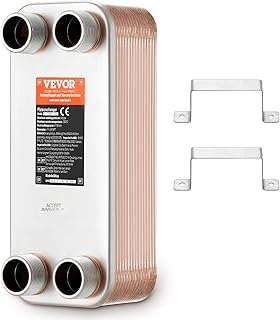
What it is: A compact, high-efficiency plate-and-shell style exchanger built with 316L stainless steel and copper brazing at the joints. This unit is designed to deliver strong heat transfer in tight spaces. Best for: homeowners or installers needing robust performance in floor heating, water heating, or similar closed-loop systems where space is at a premium.
Why it’s selected: Its asymmetrical herringbone plate pattern increases turbulence, improving heat transfer and reducing pump load. The 5″ x 12″ plate area and up to 30 plates deliver a high contact area for efficient heating or cooling.
Best for: boilers running demanding loads or where quiet, compact operation matters. It’s well-suited for domestic hot water or radiant floor circuits that require reliable, leak-resistant operation.
Caution: The unit’s performance hinges on proper brazing integrity and leak testing. Ensure correct installation torque and seals to avoid leaks under high temperature/pressure conditions.
AB Plate Heat Exchanger, 4 x 12 Inch, 30 Plates
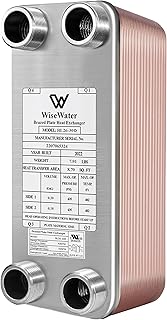
What it is: A 4×12 inch plate heat exchanger with 30 plates crafted from 316L stainless steel and copper brazing. It’s designed for reliable hot-water transfer in compact configurations. Best for: installations needing a steady, durable heat exchanger in tight boiler rooms or mechanical closets.
Why it’s selected: Stainless construction with copper brazing supports strong leak resistance and long service life under typical residential boiler conditions. The 30-plate array offers solid heat transfer capacity for moderate to high load tasks.
Best for: retrofit projects where existing space is limited but a robust copper-brazed, stainless solution is desired. It is a practical choice for consistent performance in radiant heating or medium-scale boiler loops.
Caution: For larger heating duties, verify the exchanger’s plate count aligns with your heat load to avoid insufficient transfer capacity.
Water to Air Heat Exchanger 12×12 with 1″ Copper Ports

What it is: A 12×12 inch water-to-air exchanger designed for outdoor wood furnaces and residential heating or cooling with a forced-air system. Best for: homeowners with outdoor wood boiler setups who need reliable heat exchange to feed a forced-air distribution network.
Why it’s selected: It combines a copper-tinned contact area with epoxy-coated fins to improve wear resistance and durability, supporting sustained performance in harsher outdoor conditions. The 12 fins per inch and triple copper tubes provide solid heat transfer capacity.
Best for: projects prioritizing energy efficiency by leveraging renewable heat sources and a straightforward integration with existing ductwork. It offers a balanced solution for home comfort and cost-conscious operation.
Caution: Epoxy-coated fins, while protective, can be susceptible to surface damage if not handled carefully during installation or cleaning.
VEVOR Heat Exchanger Water to Air, 20×20

What it is: A large-area water-to-air heat exchanger featuring 3 rows of 3/8″ copper tubes and extensive aluminum fins, designed for higher load in outdoor or indoor cooling/heating setups. Best for: mid-sized homes or installations requiring substantial heat transfer capacity and robust durability.
Why it’s selected: Entire unit uses copper brazing at edges and contact points for consistent leaks-resistance under high pressure and temperature. Epoxy-coated fins boost wear resistance and longevity in demanding environments.
Best for: systems that pair with outdoor wood furnaces or solar integration where dependable heat exchange is critical. It provides strong performance for evenly distributed space heating or cooling.
Caution: Higher surface area means larger footprint; verify clearance and mounting options before ordering for space-constrained installations.
Water to Air Heat Exchanger 15×20 HTL
What it is: A 15×20 inch water-to-air exchanger designed for flexible installations with 1″ copper ports, suitable for outdoor wood furnaces and forced-air heating systems. Best for: retrofits or new builds where a larger surface area is needed without expanding the footprint excessively.
Why it’s selected: The 15×20 size provides ample heat transfer capability for moderate to high load scenarios while maintaining compatibility with standard copper plumbing. It supports a variety of renewable and traditional heat sources.
Best for: projects requiring a balance between heat-transfer capacity and installation space. It’s a dependable option for ensuring comfortable heating or cooling in varied layouts.
Caution: Pay attention to port sizing and flow rates; mismatched tubing can limit transfer efficiency or cause pressure constraints.
Buying Guide: How To Choose The Right Boiler Heat Exchanger
What heat exchanger type is right for your boiler system? Plate vs. finned-tinned core options each have pros and cons. Plate exchangers typically offer compact form factors and high heat transfer in tight spaces, while finned-tube or copper-brass designs can excel in rugged environments or when large surface areas are needed.
- Materials: Stainless steel 316L and copper brazing are common for durability and corrosion resistance. Ensure fluid compatibility with your boiler and any additives in the system.
- Capacity: Match BTU requirements to the exchanger’s rating. Under-sizing reduces performance; over-sizing can add cost and space requirements.
- Operating temperature and pressure: Verify the exchanger’s allowable range aligns with your boiler loop pressures and the maximum temperatures reached during operation.
- Space and installation: Consider footprint, mounting, and accessibility for maintenance. Larger units may require more room but offer greater heat transfer capacity.
- Maintenance and durability: Coatings (like epoxy) aid longevity in corrosion-prone environments. Plan for periodic checks for leaks and cleanings to prevent fouling.
Frequently Asked Questions
- What is the main purpose of a heat exchanger in a boiler system?
They transfer heat efficiently between fluids, improving boiler performance and energy use. - Which material is best for a boiler heat exchanger?
Stainless steel (like 316L) with copper brazing is common for durability and leak resistance. - How do I determine the right size for my system?
Assess your heating load (BTU/h), desired flow rates, and available installation space; consult a professional for precise sizing. - Are plate heat exchangers suitable for outdoor installations?
Yes, provided they are rated for outdoor use and protected from weather exposure by design or enclosure. - Can heat exchangers improve energy efficiency with renewable sources?
Yes, they can optimize heat recovery and integration with solar, biomass, or geothermal sources when matched correctly. - What maintenance is typically required?
Regular leak checks, cleaning of fouling-prone fins or tubes, and ensuring seals and brazing joints remain intact.