Looking for a reliable heater to stay warm on chilly golf outings? This guide highlights five top golf cart propane heaters, each with distinct strengths for different buyers. Whether you want compact, easy ignition, or higher heat output, there’s a fit for you. The top picks are best for: casual weekend golfers, players on shaded or windy courses, and outdoor enthusiasts who need quick warmth with minimal setup.
| Product | Best For | Why It Stands Out |
|---|---|---|
| Mr. Heater Golf Cart 4,000 BTU | Lightweight comfort | Low BTU, compact, 5.5-hour run time with 1 lb cylinder |
| GasBRUH Golf Cart Heater 6,200 BTU | Maximum warmth | Higher heat output, cup-holder compatibility, windproof options |
| KOMAN Golf Cart Heater 4,100 BTU | Automatic ignition | Push-button ignition, adjustable heat, wide cart compatibility |
| SANAUVULCAN 6,800 BTU Heater | Strong warmth, portable use | High BTU, USB ignition, versatile for camping and tailgates |
| WADEO 6,200 BTU Heater | Durable build | Catalytic heating, wind-friendly USB igniter, sturdy cup-holder |
Mr. Heater Golf Cart 4,000 BTU Radiant Propane Heater

Best for light, quick warmth on calm days. This compact heater emits 4,000 BTU/hr and can heat up to 100 square feet with a standard 1 lb propane cylinder. It is ideal for casual golfers who want reliable warmth without extra bulk. A rough terrain resistant tip-switch helps prevent accidental tip-overs on rocky paths. Choose this if you need a simple, economical heat source with straightforward operation for mild mornings on the course.
Limitations to note: lower BTU compared to larger units means less heat in windy or very cold conditions. Best used with proper wind protection and a stable seating position.
GasBRUH Golf Cart Heater 6,200 BTU

Best for higher warmth and versatile use. GasBRUH offers up to 6,200 BTUs of heat with a cup-holder-compatible design, making it a strong choice for colder rounds or longer waits on the course. It supports EZGO, Club Car, and Yamaha models with an upgraded cylinder holder. A caution: propane tanks are not included, and outdoor use is required. Opt for this if you need stronger heat and flexible mounting, especially in windy conditions.
KOMAN Golf Cart Heater, 4,100 BTU

Best for automatic ignition and reliable control. The KOMAN heater provides 4,100 BTU with easy push-button ignition and adjustable heat output. It is designed for compatibility with most golf carts and includes a cup holder adapter. If you want a straightforward, user-friendly option without manual lighting, this is a solid pick. Limitations: 1 lb propane tank not included, so plan to source cylinders ahead of your game.
6800 BTU Propane Golf Cart Heater

Best for sustained warmth on colder days. This 6,800 BTU heater is designed for golf carts and portable outdoor use, with a 2-in-1 cup holder and propane cylinder base for stability. It targets golfers who need robust heating during early morning rounds or late-season play. Caution: heavier build may affect balance in tight cart layouts. Consider its higher output if you frequently play in cooler weather or windy environments.
WADEO Golf Cart Heater With Cup Holder
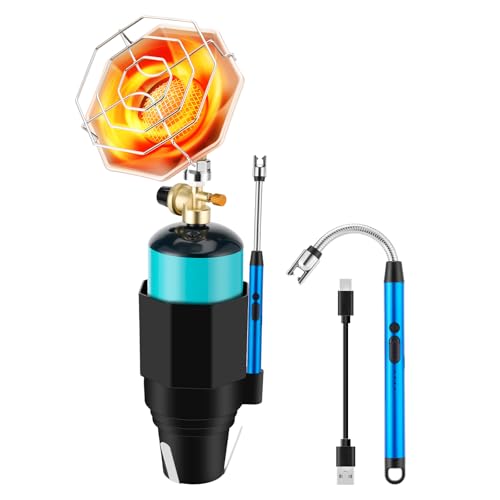
Best for durable, reliable construction. The WADEO heater delivers 6,200 BTU and includes a windproof USB igniter for reliable starts in gusty conditions. A premium die-cast aluminum heat shield concentrates warmth while remaining shielded from contact burns. Choose this if you seek rugged reliability and a sturdy cup-holder setup for frequent use on challenging courses. Note that tank size and availability may influence how often you replace cylinders.
Buying Guide: How To Choose The Right Golf Cart Heater
What heat output do you need? If you play in mild mornings, 4,000 BTU is often sufficient. For cold, windy days, look at 6,200 BTU or higher for faster warmth. Consider the size of your cart and whether a larger heater will fit securely without impeding movement.
How easy is ignition and operation? Models with automatic or USB ignition simplify start-up, especially in damp or cold conditions. If you prefer no-fuss operation, prioritize push-button ignition and stable mounting options.
Propane tank requirements matter. Some heaters require 1 lb cylinders; others assume larger tanks not included in the package. Verify cylinder compatibility and plan where you’ll store spare tanks on the cart.
Portability and mounting options influence convenience. Cup-holder adapters and compact designs help keep essentials accessible without crowding the passenger area. Check that the heater fits your cart model (EZGO, Club Car, Yamaha, etc.).
Durability and safety are essential. Look for tip-over resistance, heat shields, and robust materials for outdoor use. A safe setup minimizes risk on rough terrain or during transport between holes.
Frequently Asked Questions
- Do golf cart heaters require professional installation? Most are designed for do-it-yourself setup, with mounting compatibility for common golf cart models. Always follow the included safety instructions.
- What propane tank size do I need? Many units use 1 lb cylinders, but some models accommodate larger tanks or have dedicated holders. Check the product description for tank requirements.
- Can these heaters be used indoors? They are designed for outdoor use or well-ventilated areas. Never operate propane heaters in enclosed spaces without adequate ventilation.
- Will a higher BTU heater drain my battery? Propane heaters draw energy primarily for ignition and control components, not the propane supply. Battery impact is minimal, but check your cart’s electrical setup if using USB igniters or ancillary devices.
- Which heater is best for windy courses? Look for windproof igniters and shielded heat outputs. Heaters with robust cup-holder adapters and heat shields perform better in gusty conditions.
- Are these heaters safe on rough terrain? Choose models with tip-over resistance and secure mounting. Heavier units may require sturdier carts or additional stabilizers.