When the power goes out, having a dependable heater can mean the difference between a cold night and a comfortable one. This guide highlights five practical options suited to different spaces and needs. Whether you need portable propane heat for a cabin, kerosene warmth for a backup generator, or electric infrared comfort for a covered outdoor area, these picks are chosen for safety, efficiency, and ease of use. This list is best for: homeowners preparing for outages, campers seeking off-grid warmth, and small-space users needing quick, reliable heat.
| Product | Best For | Energy Type | Space Coverage |
|---|---|---|---|
| Mr. Heater 9,000 BTU Portable Buddy | Indoor/outdoor use, small rooms | Propane | Up to 225 sq ft |
| Comfort Glow KW-24J Kerosene Convection Heater | Large spaces, emergencies | Kerosene | Up to 1,000 sq ft |
| Mr. Heater Little Buddy 3,800 BTU | Compact spaces, portability | Propane | Up to 95 sq ft |
| Portable Outdoor Infrared 1500W Heater (Sundate) | Outdoor patios, decks | Electric Infrared | Open area coverage varies |
| 2-in-1 Kerosene Heater & Stove 9000 BTU | Camping, offline cooking + heating | Kerosene | Moderate rooms/outdoors |
Mr. Heater 9,000 BTU Portable Buddy Radiant Propane Heater

Best for small living areas or workshop spaces during outages. This portable propane heater provides radiant heat with 4,000 or 9,000 BTU/hr options, suitable for up to about 225 square feet. It is designed for indoor and outdoor use, allowing flexible placement in garages, cabins, or living rooms. The dual-burner choice offers quick warmth, but ensure proper ventilation and follow safety guidelines for indoor use. Best for: quick, focused warmth in compact spaces where a wall outlet is unavailable.
Caution: Operates on propane; ensure proper clearance and ventilation to avoid CO buildup. Not ideal for very large rooms or unventilated spaces.
Comfort Glow Indoor Kerosene Convection Heater, 23,800 BTUs

Best for larger spaces or emergency heating where electricity is unavailable. This kerosene convection heater heats up to 1,000 sq ft with a 360-degree radius, ensuring consistent warmth. It runs up to 12 hours on one tank, making it suitable for extended outages or cold nights. It’s portable and requires no electrical power to operate, which is advantageous during outages but requires fuel management. Best for: living rooms or open-plan areas that need steady, long-lasting heat.
Caution: Kerosene use requires proper storage and ventilation. Fuel handling and a wick system require attentive maintenance for optimal performance.
Mr. Heater 3,800 BTU Little Buddy Portable Radiant Propane Heater
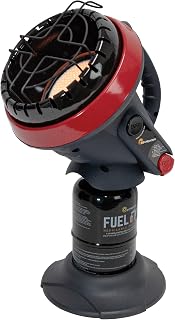
Best for extremely compact spaces or portable heat needs. The Little Buddy offers 3,800 BTU/hr and heats up to about 95 square feet, ideal for a small room, tent, or truck camper during outages. It’s easy to carry and quick to set up, making it a solid choice when space is at a premium. Choose this if you need a light, portable heat source and have limited space. Caution: Smaller coverage means it’s less suitable for larger rooms or drafts.
Portable Outdoor Infrared 1500W Heater (Sundate)

Best for outdoor warmth during outages or chilly evenings. This electric infrared heater uses 1500W with eight heat levels and a 60° oscillation to distribute warmth more effectively. It’s silent and ideal for patios, decks, or sunrooms where outdoor electrical access exists. The 8-hour timer helps manage energy use. Best for: outdoor gatherings or sheltered areas where safe outdoor electrical use is available.
Limitation: Requires a power source; not suitable where electricity is completely unavailable during a power outage.
2 in 1 Portable Kerosene Heater 9000 BTU

Best for camping, garages, and power outages where both heat and optional cooking are needed. This 9000 BTU kerosene heater doubles as a stove, providing substantial warmth and a cooking option. It runs on a 1.22-gallon fuel tank for up to 15–17 hours on full, delivering long-lasting warmth. It is portable with adjustable height for versatile use. Choose this if you need multi-function capability in outdoor or non-electric environments. Caution: Monitor fuel levels to avoid running dry during critical moments.
Buying Guide: Key Considerations For Choosing A Power-Outage Heater
What space are you heating? For compact rooms, consider small propane units like the Little Buddy for portability or the 9,000 BTU Buddy for larger but still contained spaces. For larger, unheated areas, a kerosene convection heater can deliver longer runtimes with less dependence on electricity.
What fuel are you comfortable handling? Propane and kerosene require safe storage and ventilation. If you lack electrical power, kerosene options or non-electric outdoor units are preferable. For outdoor use, electric infrared heaters work well if power is available.
How important is runtime? Heaters with larger tanks or higher BTU output deliver longer heat, reducing refueling needs during outages. Balance runtime with space coverage to avoid overheating or underheating a room.
Safety first: Ensure proper ventilation for fuel-based heaters and position heaters away from flammable materials. Use only outdoors or in well-ventilated areas as recommended by each unit’s guidelines.
Portability vs. coverage: If you may move the heater between rooms or locations, prioritizing a lighter, more portable unit is sensible. If you must heat a large space, a higher BTU option or a kerosene heater with broad coverage can be more effective.
Frequently Asked Questions
- What type of heater is best for power outages in a small apartment? – A compact propane heater like the 3,800 BTU Little Buddy offers portable warmth and quick setup for limited space.
- Can kerosene heaters be used indoors? – Yes, but only in well-ventilated spaces and according to the manufacturer’s safety guidelines.
- Is electric infrared heat viable during a power outage? – It depends on having an alternative power source; if power is out entirely, electric heaters won’t work.
- How long will a kerosene heater run on a full tank? – This varies by model, but many provide several hours of continuous warmth, often 8–17 hours per full tank.
- Should I use a heater with an automatic shutoff? – Yes, heaters with tip-over or overheat protection provide extra safety during outages.
- What space size should I expect to heat with a 9,000 BTU heater? – Up to roughly 225 square feet in typical insulated rooms, depending on drafts and ceiling height.