Answering the need for stronger airflow in home heating systems, this guide highlights five reliable duct booster fans. Designed for improving air delivery in ductwork and small spaces, these units are best for homeowners with underperforming furnaces, clogged or long ducts, or rooms that stay cooler than the rest of the house. The top picks emphasize compatibility with common 8-inch and 6-inch ductwork, quiet operation, and straightforward installation. The summary table below helps compare core specs at a glance.
| Product | Ideal For | ||
|---|---|---|---|
| Tjernlund DB-2 Duct Booster | Small to mid-size rooms; retrofit projects | 5–8 inch round; shallow rectangular ducts | Compact and affordable |
| AC Infinity RAXIAL S6 | Basements, workshops, attics | 6 inch | Variable speed; low noise |
| Diversitech 625-AF8 AB8 | Standard 8-inch duct systems | 8 inch | 8-inch performance focus |
| DIVERSITECH 625-AF12 Booster | Medium-to-large homes with 12-inch systems | 12 inch | Higher airflow option |
| AC Infinity Automatic Booster 4″ | Compact ducts; automated control needs | 4 inch | Auto-activation via pressure switch |
Note: When selecting a booster, consider duct size, thermal tolerance, noise preferences, and whether you want automatic or manual control. This guide focuses on products that balance airflow improvement with practical installation in typical American homes.
Tjernlund DB-2 Duct Booster Fan
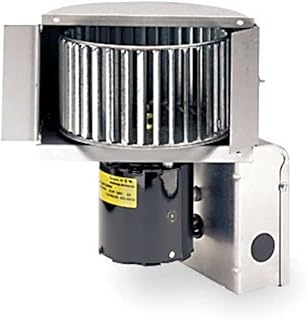
The Tjernlund DB-2 is a compact booster fan designed to increase airflow in residential heating and cooling ductwork. It fits 5 to 8 inch round ducts and can fit shallow rectangular ducts as narrow as 3.25 inches. It is rated to handle temperatures up to 200°F, making it suitable for standard home ductwork. Best for smaller rooms or retrofit projects where space is limited and a discrete upgrade is preferred. Caution: installation in ducts with limited clearance should be checked for clearance around the unit to avoid obstruction.
AC Infinity RAXIAL S6 Inline Duct Booster

The AC Infinity RAXIAL S6 offers a 6-inch inline booster with a heavy-duty steel unibody and a variable speed controller. It is designed to increase existing airflow in HVAC systems and can ventilate spaces like attics and workshops. Choose this if you want precise airflow tuning and quieter operation, especially for rooms where noise is a concern. Best for larger or multi-use spaces where adjustable speeds help manage comfort. Caution: ensure the ductwork can handle the added static pressure from boosted airflow.
Diversitech 625-AF8 AB8 Air Booster

The Diversitech 625-AF8 AB8 is sized for an 8-inch duct system and aims to increase air circulation while helping maintain consistent room temperatures. It is a practical solution for standard 8-inch ductwork used in many homes, offering a straightforward installation path and cost-effective improvement in heating or cooling delivery. Best for households with a full 8-inch duct network seeking reliable performance. Limitation: the 8-inch footprint may not fit smaller or unusually shaped ducts without adapter fittings.
Diversitech 625-AF12 Booster Duct Fan

The Diversitech 625-AF12 Booster is a higher-capacity option designed for larger 12-inch duct runs. It provides stronger airflow to push heat through longer or more complex duct networks. Best for homes with bigger duct systems or zones that require more robust delivery. Choose this if you need a noticeable boost in large spaces, but avoid it if your system uses smaller ducts or limited space for a 12-inch fan.
AC Infinity Automatic Booster 4″ Inline Duct Fan

The AC Infinity Automatic Booster is a 4-inch inline fan with a differential pressure switch, enabling automatic activation based on system pressure changes. This makes it a good choice for users who prefer hands-off operation and consistent manual-grade performance without constant monitoring. Best for compact duct runs or tight spaces where automatic control enhances convenience. Limitation: 4-inch size provides less airflow than larger boosters, so it’s best for smaller rooms or shorter duct runs.
Buying Guide: Key Considerations for Heating Duct Booster Fans
- Duct size compatibility: Match the booster’s diameter to the existing ducts (4″, 6″, 8″, or 12″). If your ducts vary, consider dual-stage or adjustable options.
- Airflow needs: If rooms are consistently cooler or distant from the furnace, prioritize higher CFM and longer duct runs. For smaller spaces, a 4–6 inch booster with variable speeds may suffice.
- Control options: Decide between manual speed control, automatic pressure-activated control, or a variable speed controller for precision.
- Noise and vibration: Look for unibody construction, low-vibration mounting, and noise ratings. Heavier, steel-mounted units tend to run more smoothly in busy spaces.
- Temperature tolerance: Ensure the unit is rated for ambient temperatures in your space and for duct temperatures expected in heating cycles (some units are rated up to 200°F).
- Installation considerations: Check available space in the ductwork, mounting clearance, and required adapters or brackets for nonstandard ducts.
Frequently Asked Questions
- What is a duct booster fan used for? A duct booster fan increases airflow in existing ductwork to improve heat delivery and balance temperatures in rooms that receive insufficient warmth.
- Do boosters require professional installation? Some units are DIY-friendly, but complex duct layouts or high static pressure systems may benefit from professional installation.
- Can a booster fan help in a hot summer? Yes, boosters can improve supply air to conditioned spaces, but they are typically designed for heating and may need different considerations for cooling systems.
- How do I choose the right size? Measure your duct diameter and select a booster with matching dimensions and sufficient CFM for the room size and duct length.
- Are automatic boosters better than manual ones? Automatic boosters can maintain consistent airflow without manual adjustment, which is convenient for multi-room or multi-zone setups.
- Will a booster affect my furnace’s efficiency? Properly sized boosters generally improve delivery efficiency without demanding more from the furnace, but oversized boosters can create excessive backpressure or noise.