Looking for a reliable heating oil tank cap? This guide compares top-rated caps designed to prevent spills, theft, and contamination while fitting common tank ports. Best for contractors and homeowners who want secure, easy-to-use caps that fit standard 2″ or 2″ NPT openings. The following table highlights key details to help you pick quickly.
| Product | Best For | Notes |
|---|---|---|
| Oil Equipment Mfg 3100 SpeedFill | Everyday home oil tanks | Simple fill cap, reliable when used with compatible fittings |
| Transfer Tank Vented Cap | Diesel and transfer tanks | Vented for pressure equalization |
| ZE5001 2″ Flip-Top Vented Locking Cap | Secure storage on drums and ports | Lockable; heavy-duty cast iron |
| Scully Home Heating Oil Fill Cap | Residential oil tanks | Made in America; easy twist-on/off |
| Flow Security Systems Non-Vented Locking Cap (FFS 750) | Fuel transfer and above-ground tanks | Non-vented, security-focused; keyed options |
Oil Equipment Mfg 3100 SpeedFill Oil Tank Fill Cap

The Oil Equipment Mfg 3100 SpeedFill is a straightforward fill cap designed for standard oil tanks. It suits residential and light commercial setups where a dependable, unobtrusive cap is needed. It is best for buyers who want a simple replacement cap that does not require locking features and fits compatible fill necks.
Who it’s best for: homeowners replacing a worn cap or installers needing a compatible, no-frills cap for regular heating oil tanks. Why selected: it emphasizes reliability and ease of use with common fill necks. Caution: verify neck diameter and threading compatibility before purchase to avoid fit issues.
Transfer Tank Vented Cap with Threaded Neck
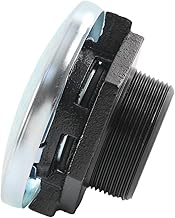
This vented cap is designed for diesel transfer tanks and other vented storage tanks with a 2-inch base. Venting helps equalize pressure during fueling, reducing spills and airlock issues. Best for: contractors and homeowners who routinely transfer fuels and need reliable venting to prevent suction or pressure buildup.
Why selected: vented, threaded-neck versatility for common transfer tanks. Caution: vented caps can still leak if seals are worn or the neck is damaged; inspect seals and threads before use.
ZE5001 2″ Flip-Top Vented Locking Cap

ZE5001 is a heavy-duty cap designed for 2″ NPT ports. It features a locking option and a vented design to prevent pressure buildup while protecting contents from tampering. Best for: facilities or households seeking enhanced security for oil and fuel storage. Why selected: robust cast-iron construction with a powder-coated finish for corrosion resistance.
Caution: lock maintenance is required to ensure smooth operation over time; verify the port is truly 2″ NPT for proper fit.
Scully Home Heating Oil Fill Cap

The Scully cap reflects the brand’s time-tested design with a focus on ease of use. Constructed from aluminum and zinc, it suits many home heating oil pipelines and piping arrangements. Best for: homeowners who value quick access and a proven, American-made fill cap. Why selected: classic “tight fill” approach that reduces spills during frequent fills.
Limitation: aluminum and zinc materials may wear in extreme conditions; check compatibility with existing piping materials.
Flow Security Systems Non-Vented Locking Cap (FFS 750)

The Flow Security Systems FFS 750 is a non-vented, locking cap intended to prevent theft and tampering on transfer fuel tanks and above-ground commercial tanks. It is best for: businesses that require added security across multiple tanks, with options to key alike or differently. Why selected: strong security features and weatherproof latch help keep contaminants out and fuel secure.
Limitation: non-vented design means pressure buildup could occur in some transfer scenarios; ensure venting isn’t required for your system.
Buying Guide: Key Considerations For Heating Oil Tank Caps
How do you choose the right cap?
- Compatibility: Check neck size (2″ base or 2″ NPT) and threading to ensure a proper seal.
- Ventilation: Decide if venting is needed. Vent caps prevent pressure buildup but may allow fumes if not sealed properly.
- Security: If theft or tampering is a concern, consider locking or keyed caps and the option to key alike across multiple tanks.
- Material and Build: Heavy-duty cast iron or powder-coated finishes offer durability in harsh environments; residential use often benefits from aluminum or zinc for lighter weight.
- Ease of Use: Twist-on vs. flip-top designs affect daily handling and spill risk during fueling.
- Installation Context: For mobile transfer tanks or above-ground storage, evaluate vented vs non-vented and how the cap seals against dust and moisture.
Frequently Asked Questions
- What is the purpose of a vented tank cap? Answer: A vented cap allows air to escape during filling and pressure equalization during use, reducing spills and vacuum-related issues.
- Can I replace a cap with a locking version? Answer: Yes, locking caps provide extra security, but ensure fit and keying options match your system.
- Are non-vented caps safer for leaks? Answer: Non-vented caps reduce fumes escaping but may increase pressure if no venting exists; choose based on tank design.
- How do I know if a cap fits 2″ NPT ports? Answer: Verify the port size and threading specification on your tank; many caps list 2″ NPT compatibility.
- Can I use a vented cap on a diesel transfer tank? Answer: If the tank requires venting for safe operation, vented caps are appropriate; otherwise a non-vented option may suffice.
- What maintenance do caps require? Answer: Check seals, gaskets, and locking mechanisms periodically; replace damaged parts to maintain a proper seal.