Answering the question for buyers needing reliable high-temperature sealing tape, these top picks cover common uses from HVAC duct sealing to automotive exhaust repairs. They are suitable for both professionals and DIYers who want durable, heat-resistant performance. The following products are selected for clear heat resistance, strong adhesion, and practical application in tight or high-heat spaces. A quick buyer’s table follows to help you compare at a glance.
| Product | Type | Heat Rating | Best For |
|---|---|---|---|
| 3M High Temperature Flue Tape, Pack of 2 | Flue Tape | Up to 600°F | Hot air ducts, home flue repairs |
| 3M High-Temperature Flue Tape (2 Packs) | Flue Tape | Up to 600°F | Leak prevention in HVAC ducts, energy savings |
| ETERART Aluminum Foil Duct Tape | Aluminum Foil Duct Tape | Long-term up to 120°C; short-term up to 350°C | HVAC ducts, dryer vents, metal surfaces |
| AMOGATO Fiberglass Aluminum Foil Tape | Fiberglass Foil Tape | Up to 500°F | Automotive exhaust and high-heat seals |
| IMPRESA High Temperature Aluminum Foil Tape | Aluminum Foil Tape | Up to 600°F | Heat-resistant sealing, outdoor and indoor use |
3M High Temperature Flue Tape, Pack of 2

The 3M High Temperature Flue Tape is designed for sealing leaks in hot air ducts and flues. It is heat resistant up to 600°F, making it suitable for high-heat environments like furnaces and metal ductwork. Best for homeowners performing DIY duct repairs or professionals needing a reliable, heat-ready seal. Use this when you need a straightforward, heat-tolerant tape that can withstand rapid temperature changes without losing adhesion. A potential limitation is that repeated extreme mechanical stress may reduce bond integrity over time in dynamic air systems.
3M High-Temperature Flue Tape (2 Packs)

This 3M option comes in a two-pack configuration and emphasizes stopping leaks from hot air ducts while delivering heat resistance up to 600°F. It is well-suited for HVAC contractors or DIYers who want extra roll length for larger jobs or multiple repairs. It’s a practical choice when you need consistent performance across several sites or projects. Limitation: the tape is specialized for high-heat ducts and may be less flexible on irregular shapes compared to general-purpose tapes.
ETERART Aluminum Foil Duct Tape

ETERART’s foil duct tape is described as heavy-duty and designed to seal HVAC lines, with the ability to block air leaks and improve energy efficiency. It’s positioned for both contractor use and DIY projects, including repairs on dryer vents and insulated pipes. Best for users who need a robust seal in high-heat or moisture-prone environments. Caution: long-term exposure at very high temperatures should be monitored to prevent adhesive failure on complex shapes.
AMOGATO Fiberglass Aluminum Foil Tape
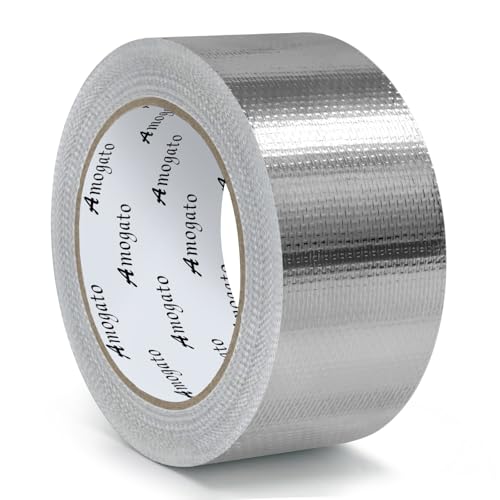
AMOGATO’s fiberglass-reinforced foil tape targets automotive and exhaust applications. It resists up to 500°F and emphasizes a strong bond on vibrating surfaces, which is ideal for mufflers and exhaust pipes. Best for automotive repairs or high-heat sealing in areas with movement. Limitation: fiberglass reinforcement adds rigidity, which may be less forgiving on curved or irregular surfaces without proper preparation.
IMPRESA High Temperature Aluminum Foil Tape

IMPRESA offers a high-temperature aluminum foil tape rated for up to 600°F, designed for both indoor and outdoor sealing. Its waterproof backing and strong acrylic adhesive support durable seals on ducts, pipes, and heat-exposed surfaces. Choose this when you need a versatile, weather-resistant option that holds up in moisture-rich environments. Limitation: thinner surfaces or textured substrates may require additional prep to maximize adhesion.
Buying Guide
What Heat Rating Do I Need?
Consider the maximum temperature your project will encounter. For most residential HVAC and flue work, tapes rated up to 600°F cover typical hot-air and exhaust scenarios. For dryer vents or automotive exhaust, higher-heat variants provide extra reliability.
What Substrate Am I Sealing?
Aluminum foil tapes work well on metal, ductwork, and smooth surfaces. Fiberglass-reinforced tapes add strength for vibrating parts like exhaust systems. Choose based on surface texture and expected movement.
Indoor Or Outdoor Use?
Look for moisture- and UV-resistant tapes if you expect outdoor exposure or high humidity. Waterproof backing improves longevity in plumbing or outdoor HVAC installations.
Ease Of Application
Some tapes are designed for easy hand-tearing and quick application, while others rely on pre-cut widths or specialized adhesives. If you’re working in tight spaces, a tape with easy tear and strong initial tack is beneficial.
Edge And Surface Preparation
Clean, dry, and grease-free surfaces yield the best adhesion. For rough or curved edges, you may need extra length or a wider tape to ensure a proper seal.
Durability Vs. Flexibility
Rigid, high-strength tapes resist tearing but may be less forgiving on irregular shapes. Flexible options seal around odd contours better, though they might offer slightly less tear resistance.
Frequently Asked Questions
Q: Can high-temperature flue tape be used on plastic surfaces?
A: Some tapes are designed for plastic compatibility, but many high-heat tapes perform best on metal surfaces. Check the product specs and test a small area first.
Q: How long do these tapes typically last in ducts?
A: Longevity depends on temperature, humidity, and surface prep. For stable indoor conditions, expect longer-lasting seals; outdoor or high-moisture settings may require more frequent inspection.
Q: Is heating source a concern when applying this tape?
A: Yes. Apply away from direct flame and hotspots; ensure surrounding materials can tolerate the same temperature range as the tape.
Q: Can I reuse these tapes after removing them?
A: Adhesive properties may degrade upon removal, especially on rough surfaces. Re-application may reduce bond strength, so use fresh tape for re-sealing.
Q: Should I choose a fiberglass-reinforced tape or plain aluminum?
A: Fiberglass-reinforced tapes excel in high-stress, vibrating environments (like exhaust systems). Aluminum foil tapes are versatile and easier to apply on flat, clean surfaces.