When you need reliable heat now, an oil-fired torpedo heater is a practical choice for garages, construction sites, and workshops. These units burn kerosene or fuel oil to deliver rapid, targeted warmth in large or open areas. This guide highlights five top options, who they’re best for, and what to consider before you buy. The emphasis is on safe operation, space coverage, fuel efficiency, and portability, helping DIYers, contractors, and professional shops pick the right model.
| Product | Best For | Key Feature | Estimated Coverage |
|---|---|---|---|
| Dayton 10 gal • 125,000 BTU | Large spaces, frequent use | High heat output | Up to about 2900 sq ft |
| Dayton 5 gal • 75,000 BTU | Smaller jobs, portable needs | Moderate capacity | Up to about 1700 sq ft |
| Dayton 13 gal • 170,000 BTU | Very large areas, continuous use | Highest heat in list | Up to about 4000 sq ft |
| VEVOR 13.2 gal • 215,000 BTU | Industrial or shop environments | Heavy-duty design | Industrial-scale spaces |
| VEVOR 125,000 BTU • Portable | Job sites, garages, outdoor work | Blower-type with wheels | Versatile coverage |
Dayton Oil Fired Torpedo Heater, 10 gal, 125,000 BTU

- Fuel capacity: 10 gallons
- Output: 125,000 BTU
- Coverage: up to 2900 sq. ft.
- Features: Compact torpedo design for solid heat delivery
Best For: Large garages or workshops that need steady, high-volume heat. This unit suits frequent use and spacious areas. Caution: Higher output can mean louder operation and higher fuel consumption; ensure adequate ventilation.
Dayton Oil Fired Torpedo Heater, 5 gal, 75,000 BTU

- Fuel capacity: 5 gallons
- Output: 75,000 BTU
- Coverage: up to 1700 sq. ft.
- Features: Portable design with solid heat for smaller spaces
Best For: Small to mid-size areas, garages, or temporary setups. Choose this if portability and moderate warmth are priorities. Caution: Lower heat output may require longer warm-up times in larger spaces.
Dayton Oil Fired Torpedo Heater, 13 gal, 170,000 BTU

- Fuel capacity: 13 gallons
- Output: 170,000 BTU
- Coverage: up to 4000 sq. ft.
- Features: High-output model for large, open areas
Best For: Very large spaces or continuous heat needs, such as workshops or uninsulated spaces. Caution: Higher fuel use and weight; ensure proper setup and clearance.
VEVOR Kerosene Forced Air Heater, 215,000 BTU
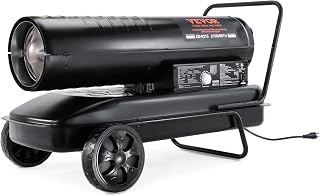
- Tank: 13.2 gallon
- Output: 215,000 BTU
- Features: Heavy-duty, transport-friendly with wheels
- Best For: Industrial spaces and demanding environments needing robust warmth
Best For: Tough work environments where maximum heat is needed and mobility is essential. Limitation: Very high output may require strict ventilation and fuel management.
VEVOR 125,000 BTU Torpedo Heater, Portable

- Output: 125,000 BTU
- Type: Portable torpedo heater with wheels
- Best For: On-the-go heating for garages, job sites, and small workshops
- Caution: Not ideal for very large, open spaces without supplemental heating
Buying Guide: Key Considerations for Oil Fired Torpedo Heaters
What space size will you heat? Choose BTU output and fuel capacity to match the area. Higher BTU units cover larger areas but may consume more fuel and require better ventilation.
Portability vs. power. If you need to move the heater between rooms or job sites, look for wheels and a lighter form factor. For permanent setups, a larger, higher-heat model may be preferable.
Fuel type and availability. Most torpedo heaters use kerosene or fuel oil. Verify local fuel availability and storage space. Also consider fuel efficiency and easy refueling access.
Ventilation and safety. Ensure adequate ventilation in enclosed spaces. Check for stable mounting, proper clearance around the unit, and adherence to safety guidelines for indoor use.
Durability and maintenance. Look for sturdy construction, simple maintenance tasks, and components that resist heat and fuel exposure. Regular cleaning reduces buildup and improves efficiency.
Operating environment. For workshops and garages, consider a model with a wide heat spread and reliable ignition. For construction sites, rugged design and mobility often matter more than absolute quiet operation.
FAQ
- What is a torpedo heater? A torpedo heater is a compact, oil-fired heater designed to deliver rapid warmth in large or open spaces. It uses a heated combustion chamber to project warm air outward.
- Is it safe to use indoors? Use only in well-ventilated spaces following manufacturer safety guidelines. Never block exhaust or exhaust intakes, and monitor for fumes.
- What space will a 125,000 BTU heater cover? It varies by room insulation and ventilation, but such units typically heat several thousand square feet in appropriate conditions.
- Which heater is best for a small garage? A smaller 5-gallon or portable 125,000 BTU model can provide adequate warmth with easier mobility and storage.
- Do these heaters require maintenance? Yes, routine inspection and cleaning of fuel lines, burners, and fans help maintain efficiency and safety.
- Can I move the unit after setup? Many models are designed for mobility with wheels, but ensure fuel is off and cool before moving.