Looking for a durable, real wood burning stove to heat a room, cabin, or small home? This guide highlights five top choices that balance heat output, fuel efficiency, and installation practicality. Each option serves different spaces and needs, from compact apartments to larger living areas. The list notes who each stove is best for and includes practical considerations to help you compare efficiently.
The table below outlines key buyer information for quick comparison. All models are real wood burning stoves designed to provide steady warmth and a classic hearth experience.
| Product | Best For | Approx. Heat Area | Key Benefit |
|---|---|---|---|
| Comfort Glow Cast Iron Wood Stove | Small to medium living spaces | Up to 900 sq ft | Heavy-duty cast iron, fits 22″ logs |
| Ashley 2,000 Sq Ft Wood Stove | Medium to larger rooms | Up to 2,000 sq ft | Flexible base options (legs or pedestal) |
| US Stove Cast Iron Wood Stove | Versatile spaces, classic styling | Up to 900 sq ft | Cool-touch safety handle |
| United States Stove 1,200 Sq Ft Wood Stove | Moderate living areas | Up to 1,200 sq ft | Clear view window |
| Comfort Glow Mighty Mini | Compact spaces, apartments | Up to 750 sq ft | Very small footprint, EPA certified |
Comfort Glow Cast Iron Wood Stove – Indoor EPA Certified Heater

Best for small to medium living spaces where steady heat and durable construction matter. This indoor stove heats up to 900 sq ft and accepts full-size 22″ logs for longer burn times. Cast iron construction offers strong heat retention and a traditional aesthetic. The model includes a compact log capacity and a 6″ flue collar for flexible installation. Caution: ensure proper ventilation and clearance around the unit to maintain safe operation.
Ashley 2,000 Sq Ft Wood Burning Stove

Best for medium-to-large living spaces that may require flexible base options. This stove is EPA certified and can heat up to about 2,000 sq ft with robust warmth. Notable for offering both adjustable legs and a pedestal base, which helps tailor height and styling to your room. Caution: actual heat output depends on insulation and stove placement; verify clearances per assembly instructions.
US Stove Cast Iron Wood Stove with Cool Touch Safety Handle

Better for spaces needing both classic styling and practical safety features. The unit can reach up to 54,000 BTUs and heats up to 900 sq ft. Its heavy-duty cast iron body and two-piece cool-to-touch safety handle offer a balance of performance and user-friendly operation. Best for rooms where quick, controllable heat is desired. Limitation: check the available space to ensure the 2-piece handle remains within reach and safe during use.
US STOVE 1,200 Sq Ft Wood Stove

Best for moderate living areas with a clear view of the fire. This model heats up to 1,200 sq ft and features a large ceramic glass window to enjoy the flames. It uses a cast-iron feed door and supports logs up to 15.5″ x 8″ for longer burn times. Consider energy layout in your home to maximize warmth with this stove’s footprint.
Breckwell 113,000 BTU Wood Stove
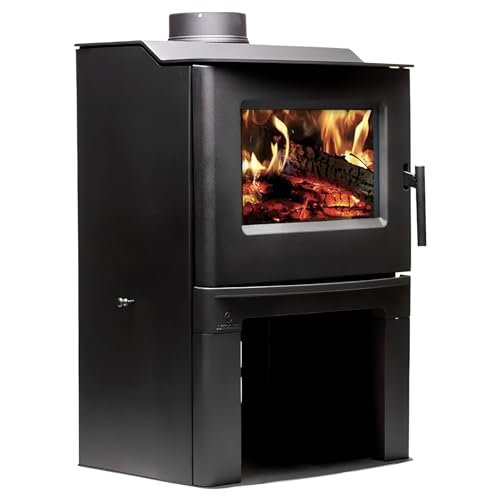
Strong choice for larger spaces or cabins, delivering up to 113,000 BTUs and heating up to 2,500 sq ft. It features a modern matte black finish, a tight-locking door for heat retention, and a viewing window for ambiance. Designed for durability with heavy-duty construction and alignment with UL and CSA standards. Best for homes needing substantial warmth; caution: larger footprint requires appropriate room and chimney sizing.
Comfort Glow Mighty Mini Wood Stove

Best for compact spaces and apartments where footprint matters. This EPA-certified indoor heater heats up to 750 sq ft and is designed to handle logs up to 11″ long. Its small size supports flexible placement while delivering reliable warmth. Advantage: efficient, space-saving design. Limitation: lower heat output compared with larger stoves means it’s best for smaller rooms or supplemental heating.
Buying Guide
- Space and heating needs: Match stove size and BTU range to the area you intend to heat. Larger spaces need higher BTU output, while smaller rooms benefit from compact models.
- Fuel and burn efficiency: Real wood stoves with good insulation and durable materials (cast iron or steel) tend to retain heat longer and provide steadier warmth.
- Clearances and installation: Check chimney diameter, flue collar size, and room clearance requirements. Adjustable bases or pedestals can help fit uneven spaces.
- Safety features: Look for cool-to-touch handles, robust doors, and EPA certification for cleaner burning and safer operation.
- Maintenance: Consider ease of cleaning, access to ash, and door seals. Regular maintenance extends stove life and performance.
Frequently Asked Questions
- What space is best for a real wood stove? Answer: Choose a stove whose heating area matches your room size, and place it with adequate clearance from walls and furniture as recommended by the manufacturer.
- Do real wood stoves require EPA certification? Answer: Yes, EPA certification indicates the stove meets emission standards for cleaner burning and efficiency.
- Can a wood stove heat a whole house? Answer: Many stoves heat only the room where they’re installed; larger stoves can contribute to adjacent spaces, but a properly designed heating system is needed for entire houses.
- What type of fuel works best? Answer: Dry seasoned hardwoods typically provide longer burn times and steadier heat than softwoods or damp wood.
- How do I choose between a pedestal base vs. legs? Answer: Pedestals offer a lower profile and sometimes easier cleaning underneath; legs provide flexibility for venting and aesthetic preference.
- Is outdoor use possible? Answer: The listed models are designed for indoor use; outdoor portable options exist but differ in safety and ventilation requirements.