Finding the right propane wall heater for an RV means balancing compact size, safe operation, and enough heat for travel-season comfort. This guide highlights five top options, explains who they’re best for, and explains why each might be the right choice for different RV layouts and power scenarios. Whether you need a slim wall mount for a cozy bedroom or a high-capacity unit for a small living area, these selections cover vented and ventless designs, plus direct-vent and dual-fuel considerations. The goal is clear, practical guidance you can use to choose confidently.
Summary of selected products:
- ProCom ML100TBA-B — 10,000 BTU ventless blue flame with thermostat.
- ProCom ML100TPA-B — 10,000 BTU ventless infrared plaque with thermostat.
- ProCom ML300HBA-B — 30,000 BTU ventless blue flame with manual control.
- Ashley DVAG17L — 17,000 BTU direct-vent wall heater (off-grid capable).
- Mr. Heater 30,000 BTU Vent Free Radiant — high-capacity ventless option for larger spaces.
ProCom ML100TBA-B 10,000 BTU Blue Flame Wall Heater

The ProCom ML100TBA-B is a compact ventless blue flame heater rated at 10,000 BTU, suitable for RV bedrooms or small living spaces up to about 500 sq ft. It includes thermostat control with High/Medium/Low settings, giving steady warmth without overheating. This unit supports wall mounting or floor placement with included base feet. Best for buyers who want quick, silent heat in small RV zones without requiring electricity.
Who it’s best for: travelers who want a slim, stylish heater that you can mount or set on the floor for flexible placement. Why selected: thin profile, reliable blue flame heat, and adjustable thermostat help maintain a comfortable environment. Caution: ensure proper ventilation and follow installation instructions to avoid fuel odor in confined areas.
ProCom ML100TPA-B Infrared 10,000 BTU Wall Heater

This ProCom infrared plaque heater delivers 10,000 BTU and warms up to 500 sq ft, making it ideal for open-plan RV living rooms or loft bedrooms where radiant heat feels quicker and more direct. Thermostat control provides High/Medium/Low, and the slim infrared plate design fits tight wall spaces. Best for: RVs that prioritize rapid, zone-specific warmth on cool evenings. Caution: infrared units may feel warmer where you stand; ensure safe clearances around any combustibles.
ProCom ML300HBA-B 30,000 BTU Ventless Blue Flame

This larger ProCom model delivers 30,000 BTU and heats up to 1,400 sq ft, a notable option for bigger RVs or split living spaces. It operates on propane only and includes push-button Piezo ignition with three manual heat settings. A key safety feature is the oxygen depletion sensor with automatic shut-off. Best for: RVs that require substantial heating in a single zone or open-concept interiors. Caution: higher BTU units consume propane more quickly, so plan fuel needs accordingly.
Ashley Hearth DVAG17L Direct-Vent Wall Heater
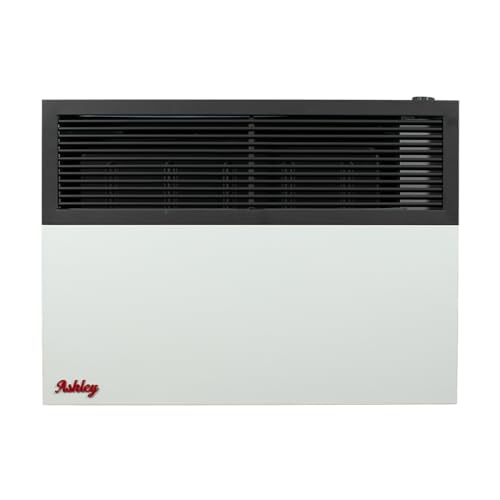
The Ashley DVAG17L is a direct-vent propane wall heater rated at 17,000 BTU, suitable for spaces up to 570 sq ft. It can operate without electricity, which is valuable during power outages or off-grid RV stays. Its sealed burn system vents outdoors, helping maintain indoor air quality. Best for: RVers seeking reliable heat in larger cabins without relying on electrical power. Caution: direct-vent units require exterior venting; verify exterior clearance and vent routing on installation.
Mr. Heater 30,000 BTU Vent Free Radiant Propane Heater

This Mr. Heater model provides a high-capacity 30,000 BTU radiant heat output for larger RV living spaces up to 1,000 sq ft. It operates without electricity and uses a battery-operated electronic ignition. Best for: RV owners needing significant heat in well-insulated or larger rigs where a strong propane source is available. Caution: vent-free operation requires proper room ventilation to maintain indoor air quality; follow guidelines to avoid excess moisture or odors.
Buying Guide: Key Considerations for RV Propane Wall Heaters
- Ventless vs direct-vent: Ventless heaters provide easier installation and flexibility in smaller spaces but require good inside-air quality management. Direct-vent units pull air from outside and vent exhaust outdoors, offering cleaner indoor air but needing exterior venting routes.
- BTU requirements: Choose BTU based on RV size and insulation. Smaller RVs (under 300 sq ft) can be comfortable with 10,000–17,000 BTU, while larger or poorly insulated spaces may need 30,000 BTU or more.
- Ignition type: Piezo/ push-button ignition is convenient for frequent use. Electronic ignition often provides lighter operation in cold conditions but relies on electrical components.
- Thermostat control: Thermostatic control helps maintain set temperatures and save propane. Manual controls give direct heat settings but require manual adjustments.
- Safety features: Oxygen Depletion Sensor (ODS/FO) automatic shut-off, tilt sensors, and flame-out protection reduce risk in mobile environments. Ensure proper clearances around combustibles and follow installation instructions.
- Power and electrical: Ventless models may still need electrical connections for controls or ignitions. Plan for whether your RV’s electrical system can support a heater’s needs, especially if you’re boondocking.
- Installation flexibility: Consider whether you want wall mounting, floor placement, or a combination. Compact dimensions and mounting hardware matter for tight RV interiors.
Frequently Asked Questions
- Do RV propane wall heaters require electrical power to operate?
- What size heater is best for a small RV bedroom?
- Is direct-vent safer for RV use?
- Can a ventless heater be used in all RVs?
- How does BTU affect propane consumption?
- Should I choose a heater with an automatic shut-off?
Many ventless propane heaters operate without electricity, but some models use electricity for ignition or thermostat controls. Check the specific unit to confirm.
A heater around 10,000–17,000 BTU is typically sufficient for a bedroom under 200–300 sq ft, depending on insulation and climate.
Direct-vent units vent combustion byproducts to the outside, which can improve indoor air quality. They require exterior venting routes.
Ventless heaters work in many RVs, but ensure proper ventilation and observer safety guidelines to prevent moisture buildup and ensure efficient combustion.
Higher BTU units burn more propane and heat larger spaces faster. Plan fuel usage based on how long you’ll run the heater and the space being heated.
Automatic shut-off via oxygen depletion sensors or safety switches is highly recommended for mobile environments and off-grid use.