If you’re shopping for a small space wood stove, these five models fit compact living areas or cabins while delivering reliable warmth. They’re chosen for portability, heat output, and practicality in tight quarters. This guide helps you pick the right unit for a bedroom, studio apartment, tiny home, or off-grid cabin. Below is a quick comparison table of the top picks to start with, followed by detailed product insights and a practical buying guide.
| Product | Best For | Key Benefit |
|---|---|---|
| Comfort Glow Mighty Mini | Compact homes and mobile setups | Fits 11″ logs, 8 hr burn, 750 sq ft heat |
| SofaHills Small Cast Iron Stove | Cabins and light indoor use | Simple ash/cleanup, durable cast iron |
| US STOVE 750 Sq Ft Stove | Small living spaces up to 750 sq ft | Long burn, compact footprint |
| Kungka Black Tent Stove | Camping and extreme conditions | 6 ft chimney, 2.24″ jack compatibility |
| Mini Woodsman | Ultra-compact secondary stove | Small footprint, portable |
Comfort Glow Mighty Mini Wood Stove

Best for very small spaces where floor area matters. This compact indoor wood stove heats up to 750 sq ft while saving floor space. It’s designed to handle 11″ logs, enabling stable, clean burning. The unit is EPA certified, aligning with clean air standards for efficient heating. It suits tiny apartments or mobile homes where a larger stove would overwhelm the room.
- Best for people needing space-efficient heating in compact rooms
- Better for steady, moderate warmth rather than rapid, high-output heating
Caution: The burn time and heat distribution depend on room insulation and chimney setup. Ensure proper clearance around the unit and compliant installation for safe operation.
Indoor Wood-Burning Heating Stove, SofaHills

Best for cabins or homes seeking a robust, durable small stove with practical maintenance features. This model emphasizes a window to monitor the fire and an ash rake for quick cleaning. Its fully welded airtight design supports efficient heat retention, making it well-suited for regular indoor heating in smaller living spaces or occasional camping use. The ash box and exhaust system contribute to ongoing durability in compact environments.
- Best for users who want visible flame and easier cleanup
- Better for steady, consistent warmth rather than rapid high heat
Caution: Maintenance and cleaning frequency depend on usage patterns; ensure proper ventilation and follow safety guidelines for indoor use.
US STOVE 750 Sq Ft Stove

Best for small homes needing reliable daily heat within a 750 sq ft footprint. This stove heats up to 750 square feet and accepts 11″ logs with up to an eight-hour burn time. Note that the stove pipe and blower are not included, so plan for separate components if you aim for blower-assisted or taller venting. It suits compact living rooms or open-plan spaces that can be warmed efficiently with a single unit.
- Best for reliable daily warmth in small homes
- Better for those who can source additional piping or blower components if desired
Caution: Requires separate purchase of stove pipe and blower if needed; installation must comply with local codes.
Black Wood Burning Tent Stove by Kungka

Choose this for cold-weather camping, hunting camps, or ice fishing setups where a tent needs heat and cooking capability. The stove uses a 2.24″ diameter chimney and includes a seven-section adjustable chimney up to about 6 feet. It features a panoramic heat-resistant glass door for monitoring the flame. It’s best for larger canvas or lodge tents and offers flexible chimney height to fit various tent configurations.
- Best for extreme conditions and outdoor tents
- Better for controlled, slower burn with real-time flame monitoring
Caution: Designed for tents and temporary shelters; not intended for permanent indoor installations.
Mini Woodsman
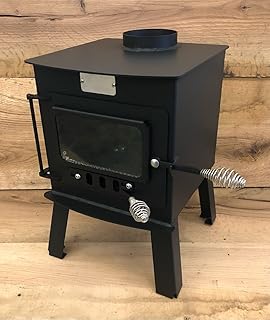
Best for ultra-compact spaces where only a minimal heating footprint is possible. The Mini Woodsman is a small wood stove designed for tight spots or as a supplementary heat source. Its compact design focuses on portability and ease of placement in small rooms or caravans, making it a practical addition where space is the primary constraint.
- Best for extremely small rooms or as a secondary heater
- Better for limited burn times and modest warmth requirements
Caution: Limited heat output means it may not meet higher heating needs in larger spaces.
Buying Guide
What to Consider When Choosing a Small Space Wood Stove
- Room size and heat needs: Match stove output to the space you want to heat. Larger rooms need higher BTU, while smaller spaces benefit from compact models.
- Clearances and installation: Check manufacturer clearance requirements and ensure proper ventilation and chimney setup for safety and efficiency.
- Log size and fuel flexibility: Some stoves accept longer logs or alternative fuels; choose based on what you have access to.
- Maintenance and cleaning: Look for features like ash boxes, easy-to-clean doors, and air controls that simplify upkeep.
- Portability vs. permanence: Decide if you need a portable model for seasonal use or a permanent installation for daily heating.
- Energy efficiency and emissions: EPA-certified models offer cleaner burning and better efficiency—important in small spaces with ventilation limits.
Installation and Safety Tips
- Always follow local codes and professional installation guidelines for venting and clearance.
- Use proper chimney piping sized for the stove and ensure secure, weather-resistant connections.
- Install a carbon monoxide detector in the living space where the stove is used.
- Keep combustibles away from the stove and use a protective hearth pad if required by code.
FAQ
What is considered a small space wood stove?
A stove designed to heat compact living areas, typically under 1,000 square feet, with a smaller footprint than traditional models.
Do all small stoves require a blower?
No. Some units rely on natural convection; blower kits are optional for enhanced heat distribution in larger rooms.
Is an EPA-certified stove better for small spaces?
Yes. EPA-certified stoves are generally more efficient and emit fewer pollutants, which is beneficial in enclosed areas.
Can I use these stoves in a cabin or tent?
Some models are designed for tents or cabins with appropriate ventilation and safety measures; always verify intended use with the manufacturer.
What maintenance is required?
Regular ash removal, door gasket checks, and chimney cleaning help maintain efficiency and safety.