Buying a wood stove insulation blanket helps protect fireboxes, extend stove life, and improve heat efficiency. This guide highlights five top options for different needs, from high-heat baffles to flexible, cut-to-fit blankets. The best pick depends on your stove size, installation ease, and desired heat retention. The top products are ideal for wood stoves, fireplaces, kilns, and pizza ovens. Read on to find the right blanket for your setup and capacity.
| Product | Best For | Why Pick |
|---|---|---|
| Ceramic Fiber Insulation Blanket (24″ x 15.7″ x 1″) | Smaller stoves and baffles | High heat tolerance to 2600°F; compact size |
| Cedolio Ceramic Fiber Blanket (32″ x 24″ x 1″) | Medium to large baffles | Wide coverage; strong heat resistance |
| Cedolio Ceramic Fiber Blanket (24″ x 12″ x 1″) | Replacement or custom-fit | Flexible, easy to cut and shape |
| Universal Baffle Blanket (24″ x 20″ x 1/2″) | Universal fit when exact part unavailable | Easy to trim; adaptable size |
| Ceramic Fiber Blanket (60″ x 24″ x 1″) | Large stoves and multi-use | Extensive coverage; high heat rating |
Ceramic Fiber Insulation Blanket, 24″ x 15.7″ x 1″ Thick

Best for smaller wood stoves and baffles. This ceramic fiber blanket withstands direct flame up to 2600°F, making it suitable for fireboxes, pizza ovens, and other high-heat applications. Its 24″ by 15.7″ footprint provides a compact option that is easy to trim to fit irregular shapes. The blanket’s fireproof properties help maintain shape under intense heat, reducing warp and gaps. Caution: ensure a clean mounting surface to maximize insulation performance and avoid loose edges.
Cedolio Ceramic Fiber Blanket 32″ x 24″ x 1″

Best for medium to large baffles or broader stove surfaces. This 32″ by 24″ blanket offers substantial coverage with high-temperature resistance suitable for stoves, kilns, and forges. It maintains shape under heat and is rated to 2400°F. The blanket is flexible for cutting and fitting, making it a practical choice for custom installations. Choose this if your baffle or area requires more material to seal gaps effectively. Limitation: slightly larger size may require more cutting and trimming for exact fit.
Cedolio 24″ x12″ x1″ Ceramic Fiber Blanket

Best for replacement or cut-to-fit scenarios. This blanket combines high-temperature resistance with good flexibility and tear resistance. It is described as easy to cut and stamp, enabling precise shaping around baffles and vents. It remains stable up to 2400°F, helping preserve the blanket’s integrity after exposure to heat. Use this when you need to customize a non-standard stove component. Caution: confirm thickness and dimensions match your stove’s original part before cutting.
Universal Baffle Blanket, 24″ x 20″ x 1/2″
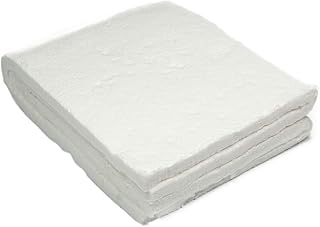
Best for universal fit when the exact baffle part is unavailable. This blanket covers a wide range of stoves and inserts and can be trimmed to the original dimensions with a knife or scissors. The 1/2″ thickness offers a balance between insulation and heat dissipation, suitable for common wood stove configurations. Consider this option if you need a flexible, non-specific size that can be adapted to your model. Limitation: trimming accuracy is essential to ensure a snug fit and avoid air gaps.
Ceramic Fiber Blanket, 60″ x 24″ x 1″ Thick
Best for large stoves or multi-use setups. This large blanket provides extensive coverage with the same 2600°F heat tolerance. It’s ideal for owners who need to insulate multiple sections or large baffles without multiple pieces. The expansive size supports fewer seams and better heat retention across a broader area. Caution: cut carefully to avoid waste and ensure proper edge sealing to prevent gaps.
Buying Guide
What size and thickness do I need?
Choose blanket dimensions that match or exceed the surface area you intend to insulate. Thicker blankets (1″) generally provide better insulation but may be harder to fit in tight spaces. For irregular shapes, select flexible or larger sheets you can trim to fit precisely.
What temperature rating matters?
Look for blankets rated at least 2400°F to 2600°F for wood stove and fireplace use. Higher ratings indicate better performance under direct flame and prolonged heat exposure.
Material and safety considerations
Ceramic fiber blankets are common for high-heat insulation. Ensure the material is labeled fireproof and fits your local safety codes. Flexible and cut-to-fit options help achieve a tighter seal and reduce heat leakage.
Ease of installation
If you prefer minimal cutting, choose pre-sized blankets that match your stove model or a blanket marketed as universal. For custom-fit needs, look for blankets described as easy to cut and shape, with tear resistance for durable use.
Durability and maintenance
Low dust and stable shapes after heating are desirable. Some blankets maintain size and shape better once exposed to high temperatures, reducing maintenance needs and replacement frequency.
FAQ
- Do ceramic fiber blankets handle direct flame? Yes, many are rated to withstand direct flame up to 2600°F, making them suitable for wood stoves and fireboxes.
- Can I cut blankets to fit my stove? Yes. Many products are described as easy to cut and shape with common tools; ensure clean, straight cuts for a tight fit.
- Will a larger blanket improve efficiency? Larger blankets reduce heat loss and provide more uniform insulation, but require proper trimming to fit securely.
- Which blanket is best for universal fit? Universal options are designed to fit a wide range of stoves and inserts, but may require trimming for a precise fit.
- Are there safety concerns with installation? Always follow stove manufacturer guidelines and local codes. Ensure blankets are mounted away from moving parts and outlets, and avoid insulating areas not designed for heat exposure.
- How do I maintain the insulation over time? Inspect for tears or fraying edges after heating cycles. Replace damaged sections promptly to maintain heat efficiency.