Capillary tubes are small, precision components that regulate refrigerant flow in cooling systems. Selecting the right size, material, and length is essential for achieving efficient cooling and reliable performance. This guide highlights five reputable capillary tube products suitable for common refrigerator and freezer applications. Each section provides a quick overview, key features, and practical considerations to help you choose the best match for your unit.
Summary of chosen products:
- uxcell Refrigeration Tubing 1.8mm OD x 0.8mm ID x 24.5Ft Length Copper Tubing Coil – 1.8mm/0.8mm, 24.5Ft, copper, high refrigeration efficiency
- JJHXSM 2 Meter 3mm x 2mm Refrigeration Capillary Tube Coil – 3mm OD, 2mm ID, 2m length
- uxcell Refrigeration Tubing, 1/16″ OD x 1/32″ ID x 16 Ft Soft Coil Copper Tubing – 1.6mm/0.6mm, 16Ft, copper
- Supplying Demand BC46 12 Feet BC Series Capillary Tubing, .046 Inch ID x .093 Inch OD – precision bore
- XIFOWE 99.9% Copper Tube 1/4″ OD x 3/16″ ID 5 Ft – 0.8mm wall, soft copper tube
uxcell Refrigeration Tubing 1.8Mm Od X 0.8Mm Id 24.5Ft Length Copper Tubing Coil

The coil measures 1.8 mm outer diameter and 0.8 mm inner diameter, with a total length of 24.5 feet. Copper construction supports strong heat transfer and durability in low-temperature environments. This tubing is designed for refrigerators, freezers, and air conditioners, offering robust refrigeration efficiency and resistance to corrosion and oxidation. Its hollow copper core enhances refrigerant flow, making it a versatile option for many DIY and professional repair projects.
Key considerations:
- Best for longer runs or when a high heat-transfer area is needed.
- Compatibility with common refrigerants and standard fittings is essential.
- Ensure bending radii are within tube specifications to prevent kinks.
JJHXSM 2 Meter 3Mm X 2Mm Refrigeration Capillary Tube Coil Tube

This coil provides a 3 mm outer diameter and 2 mm inner diameter, with a total length of 2 meters (about 6.5 feet). It’s built for good heat dissipation and cooling capacity, with strong performance at low temperatures. The tube is made of T2 copper, offering resistance to high temperatures, corrosion, and oxidation. It’s suitable for refrigerators and air conditioning systems where a compact, rigid capillary path is required and long service life is a priority.
Key considerations:
- Size compatibility with the system’s capillary passage and metering device.
- Rigid copper tubes can be easier to mount in smaller enclosures.
- Confirm the length aligns with your circuit routing to avoid waste.
uxcell Refrigeration Tubing, 1/16″ Od x 1/32″ ID x 16 Ft Soft Coil Copper Tubing
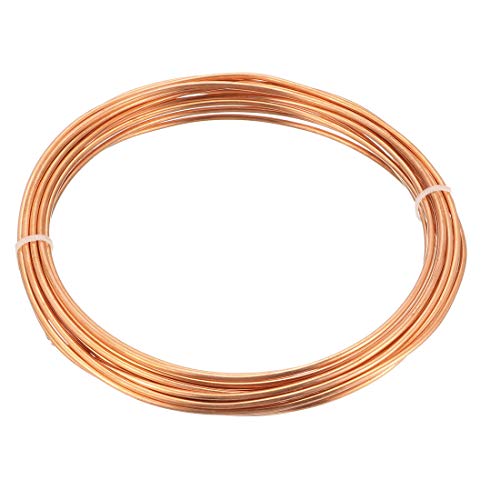
This soft coil measures 1/16 inch outer diameter and 1/32 inch inner diameter, with a length of 16 feet. It emphasizes high refrigeration efficiency through good heat dissipation and a strong low-temperature performance. The copper composition provides high temperature resistance, corrosion resistance, and long service life, making it suitable for repairs or new installations in refrigerating equipment and air conditioning units where flexible routing is beneficial.
Key considerations:
- Soft coil allows flexible installation in tight spaces.
- Appropriate for models needing delicate routing without rigid mounting.
- Check system compatibility with 1/16″ tubing and fittings.
Supplying Demand BC46 12 Feet BC Series Capillary Tubing

This 12-foot coil provides a precision bore, with inner diameter of .046 inch and outer diameter of .093 inch. It is designed to replace capillary tubes in both domestic and commercial refrigerators or air conditioners. The marked bore tolerance ensures consistent refrigerant flow, which helps stabilize system pressures and cooling performance. It is a straightforward option for standard capillary-based systems requiring a reliable, fixed-diameter path for refrigerant.
Key considerations:
- Ensure bore size matches the metering device and refrigerant charge requirements.
- Length should align with the circuit path to minimize excess.
- Durability and precision bore help maintain steady cooling characteristics.
XIFOWE 99.9% Copper Tube 1/4″ OD x 3/16″ ID 5 Ft

This tube features a 1/4 inch outer diameter and 3/16 inch inner diameter, with a length of 5 feet. It uses a soft copper tube and adheres to ASTM-B280 standards, providing excellent thermal conductivity and corrosion resistance. The tube’s wall thickness supports durability in higher-pressure segments and is suitable for DIY projects, repairs, and installations where a larger bore is required for refrigerant flow.
Key considerations:
- Higher bore size may be needed for certain refrigerants or metering devices.
- Soft copper allows easier shaping but requires careful handling to avoid deformation.
- Verify compatibility with system pressures and fittings.
Buying Guide: Capillary Tubing For Refrigeration
Choosing the right capillary tube involves balancing bore size, outer diameter, length, and flexibility against system requirements. Consider the following factors to optimize performance and reliability:
- System compatibility: Confirm the tube’s inner diameter (ID) matches the metering device, expansion valve, and tubing fittings in your refrigeration circuit. Mismatched bores can cause erratic pressures and reduced cooling.
- BoRE and length: A larger bore typically improves refrigerant flow but may alter pressure drop. Longer runs add resistance and potential pressure loss; shorter runs reduce lag but require precise routing. Measure carefully and plan for bends to avoid kinks.
- Material and quality: Copper is common due to thermal conductivity, corrosion resistance, and durability. Ensure tubes are seamless or properly joined to prevent leaks. ASTM standards (where noted) indicate consistent manufacturing quality.
- Flexibility vs rigidity: Soft copper tubing offers easy routing in tight spaces but is more prone to denting if mishandled. Rigid tubes provide stability but require accurate mounting and bending tools.
- Environmental and operating conditions: Low-temperature performance matters in freezers, while heat resistance is relevant where ambient temperatures are high or near heat sources. Choose a tube designed for the expected temperature range and refrigerant type.
- Repair vs replacement: For DIY repairs, selecting a tube with a familiar size and straightforward fittings reduces complexity and risk. Keep approved refrigerant handling practices in mind.
Comparison at a glance:
- Size range: 1/16″ to 1/4″ outer diameter variants cover common household and light commercial systems.
- Length options: From 5 ft to over 24 ft meet different routing needs and repair scenarios.
- Material: Copper variants with good heat transfer and durability, suitable for most refrigeration duties.
Installation reminders:
- Use appropriate tools to avoid damaging the tube during cutting and bending.
- Inspect fittings and seals for leaks after installation.
- Follow safety guidelines for handling refrigerants and working with pressurized systems.