The right chimney pipe enhances safety, draft, and efficiency when using a wood stove. This guide highlights five leading options, covering triple-wall, double-wall, and single-wall designs from trusted brands. Each product is evaluated for durability, heat tolerance, and ease of installation, helping you choose the best venting solution for your home. The selections prioritize strong insulation, secure fittings, and compatibility with common stove configurations.
Overview at a glance: Below is a quick summary table of the five selected products, including brand and a key feature to help with side-by-side comparisons.
| Product | Brand | Key Feature |
|---|---|---|
| DuraVent 6DP 24 DuraPlus Triple Wall Chimney Pipe | DuraVent | Triple-wall construction for high heat tolerance and safety |
| DuraVent DVL 6×48 Double-Wall Chimney Stove Pipe | DuraVent | Double-wall, efficient draft, versatile application |
| DuraVent 6DVL-24 Easy to Install 6″ Double-Wall | DuraVent | Easy installation with secure double-wall design |
| Imperial BM0111 6″ X 24″ Black Matte Stove Pipe | Imperial | Simple black matte finish, standard 6″ diameter |
| AllFuel HST 6″ x 48″ 304 Stainless Steel All Fuel Class-A | AllFuel HST | 304 stainless with Class-A insulation for high durability |
DuraVent 6DP 24 DuraPlus Triple Wall Chimney Pipe

Triple-wall pipe is a crucial addition to your wood-burning stove; Safety measure ensures your home remains smoke-free and secure while using your wood stove for heating. The DuraPlus range offers convenience with die-formed fittings and a twist-lock connector included, making installation straightforward. Constructed from galvanized steel, this pipe can endure continuous operation at flue gas temperatures up to 1,000 degrees Fahrenheit, even in cold winter months. This makes it a strong choice for reliable, long-term venting of wood-burning appliances.
DuraVent DVL 6×48 Double-Wall Chimney Stove Pipe
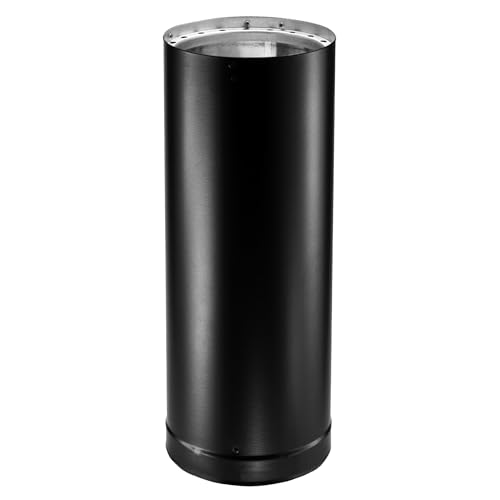
Double-wall pipe works to ensure that as you ignite your wood-burning stove, the warmth is paired with safety and efficiency. It maintains consistently high flue gas temperatures to support a robust, stable draft during operation. This stove pipe efficiently channels and expels smoke and exhaust from wood, oil, coal, or gas fuels, prioritizing safety and convenience in many venting scenarios.
DuraVent 6DVL-24 Double-Wall Quick-Install Stove Pipe

This 6-inch double-wall pipe is designed for easy installation and reliable operation. It features a snug fit and quick assembly with double-wall construction to keep creosote levels down and maintain a clean, efficient vent for wood-burning stoves. The product is suitable for venting smoke and exhaust from wood, oil, coal, or gas fuels while prioritizing user safety and convenience.
Imperial BM0111 6″ X 24″ Black Matte Stove Pipe

Size and finish are standard for many installations: 6″ diameter and 24″ length, with a durable 24-gauge construction. The black matte finish provides a classic look that blends with many stoves and decors. This option is straightforward for those seeking a simple, reliable vent pipe without extra insulation layers or complex features.
AllFuel HST 6″ x 48″ 304 Stainless All Fuel Class-A

Compatible with AllFuel HST Class-A double-wall chimney pipe. This 304 stainless steel design features laser-welded seams for superior corrosion resistance compared with galvanized steel or 430 stainless. It uses a ceramic fiber blanket insulation to provide a 2″ clearance to combustibles while maintaining high internal flue temperatures for a proper draft. This makes it a durable, heat-tolerant option for long-term installations in demanding environments.
Buying Guide
When selecting chimney pipes for wood stoves, consider these key factors to ensure a safe, efficient venting system:
- Wall design: Choose triple-wall for maximum heat resistance and safety, or double-wall for strong drafts and easier cleaning. Single-wall pipes are lighter and simpler but require careful clearance and heat protection.
- Heat rating and clearance: Verify maximum operating temperatures and clearance to combustibles. Insulated or Class-A designs reduce clearance requirements in tight spaces.
- Installation ease: Look for features like twist-lock connections, die-formed fittings, and adjustable lengths to simplify assembly and reduce the need for cutting.
- Material durability: Galvanized steel is common and affordable, but stainless steel offers better corrosion resistance and longevity in exposed outdoor sections or damp environments.
- Compatibility: Confirm compatibility with your stove type (wood, oil, coal, or gas) and with existing stovepipe components in your setup.
- Length and segment variety: Longer pipes and a range of segment lengths improve reach and flexibility for different chimney heights and roof lines.
- Safety and codes: Ensure products meet local venting codes and that installation adheres to clearances, flashing, and ceiling protection requirements.
- Maintenance: Consider ease of cleaning, creosote management, and whether the pipe design supports accessible inspection and sweeping.
- Cost vs. durability: Balance upfront price with long-term durability, including resistance to creosote buildup and weather exposure.
In summary, for robust performance in American homes, prioritize triple-wall or double-wall designs with secure fittings, heat tolerance, and durable materials. Each of the five products highlighted offers a distinct approach to venting wood stoves, from easy-install double-wall systems to high-heat stainless options. Assess your stove’s diameter, installation space, and climate to select the best match for safe, efficient operation.