Best Drip Pan for Air Handler: Top Condensate Trays for HVAC Protection
Choosing the right drip pan for an air handler or related HVAC equipment helps prevent water damage and keeps condensate under control. The following selections emphasize durability, fit, and ease of installation. Use this guide to compare common materials, sizes, and features across popular options.
Summary of chosen products
| Product | Size / Fit | Material | Key Benefit |
|---|---|---|---|
| Heavy-Duty Galvanized Steel Drain Pan | 22″ x 22″ x 2″ | Galvanized Steel | Hole option for customizable drainage; rust-resistant and leak-proof |
| DOITOOL Air Conditioner Drip Pan | 17.32″ x 15.74″ | Galvanized iron & plastic | Strong, includes discharge fitting for easy drainage |
| DiversiTech 6-2626L | 26″ x 26″ | ABS plastic | Seamless design with rolled edges for durability |
| Universal Metal Solutions 26GA | 26″ x 26″ x 2″ | Galvanized steel | Fits under water heaters and HVAC units; easy installation |
| Mikikit Air Conditioner Drip Pan | 15.7″ x 15.7″ | Stainless steel | Includes drain hose and clamp for quick setup |
Heavy-Duty Galvanized Steel Drain Pan – Premium, Rust-Resistant HVAC Condensate Pan

The Heavy-Duty Galvanized Steel Drain Pan is designed to fit HVAC condensate needs with options for pre-drilled holes or a solid pan, depending on installation preferences. Its galvanized construction provides rust resistance and long-term durability, while the hole option supports customizable drainage routes. This pan is suitable for air handlers, heat pumps, or other condensate-producing equipment, offering robust protection against leaks and water damage.
DOITOOL Air Conditioner Drip Pan – Galvanized Iron & Plastic

The DOITOOL drip pan combines galvanized iron and plastic for strength and reduced weight. It includes a discharge fitting to simplify condensate removal and prevent leaks. With dimensions around 17.32 by 15.74 inches, it suits many room air conditioners and compact HVAC setups, helping maintain clean, dry surroundings while ensuring stable support for the unit.
DiversiTech (6-2626L) A/C Secondary Plastic Condensate Drain Pan
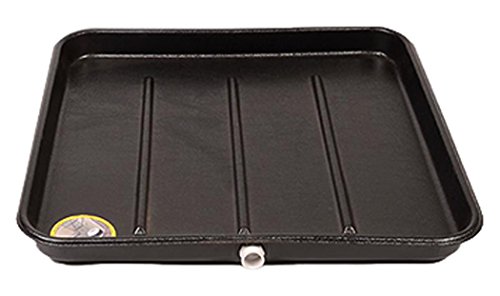
This 26″ x 26″ plastic drain pan from DiversiTech uses a seamless, ribbed ABS design that resists leakage and rust even with long-term use. The large surface area makes it suitable for many air handlers and evaporator coil configurations, helping protect floors from condensate overflows and spills.
Universal Metal Solutions 26GA Galvanized Drain Pan W/O Hole

Designed to fit under electric water heaters and air conditioning units, this 26″ x 26″ drain pan offers a square design for broad coverage. It’s easy to install and meets building code expectations for protecting floors from water damage. The option without holes allows a simple, leak-proof setup when a direct drainage line is not required.
Mikikit Air Conditioner Drip Pan – Stainless Steel

The Mikikit drip pan features stainless steel for corrosion resistance and durability in outdoor or high-humidity environments. It includes a complete setup with a 6.5-foot drain hose and a clamp, facilitating straightforward installation under portable or outdoor AC units. Its compact 15.7 by 15.7-inch size fits many smaller systems without crowding the space.
Buying Guide
Key considerations when selecting a drip pan for an air handler or related equipment include size, material, and drainage compatibility. The right pan should align with the unit’s footprint and the available drainage approach, while resisting corrosion and leaks over time.
- Size and fit: Measure your air handler or appliance base and choose a pan that provides full coverage without excessive overflow risk.
- Material durability: Galvanized steel offers strength and rust resistance; plastic pans tend to be lighter and resistant to rust but may be less rigid. Stainless steel provides corrosion resistance in harsher environments.
- Hole options and drainage: Some pans offer pre-drilled holes for direct drainage, while others are hole-free for flexible mounting. Drain hoses and fittings simplify condensate removal.
- Installation ease: Look for pans with easy alignment, clear perimeter edges, and compatibility with common mounting hardware.
- Code compliance: Ensure the pan meets local building or HVAC codes for condensate management, especially in commercial settings.
- Maintenance: A seamless or ribbed bottom design reduces leakage risk and makes cleaning easier over time.
- Multi-use versatility: Some pans support other equipment (e.g., water heaters, mini-fridges) with similar dimensions, offering flexible usage in tight spaces.
When choosing among the options above, compare the trade-offs between heavy-duty steel versus lightweight plastic, and consider whether you need holes for drainage or a solid pan for a primary condensate tray. Durability in high-traffic areas, like basements or utility rooms, is often a deciding factor. For environments prone to spills or seasonal variation, select a pan with a higher edge, better sealing, and straightforward cleaning.