Best Expansion Tank Options for Boiler Systems in 2025
Choosing the right expansion tank helps protect boiler systems from pressure surges and water hammer. The products below cover a range of residential and commercial setups, including closed-loop hydronic heating and potable systems. Each option features durable diaphragms, reliable pre-charge, and suitable connections for typical 1/2″ to 3/4″ MNPT piping.
| Product | Brand | Capacity | Connection |
|---|---|---|---|
| Watts ETX-30 Non-Potable Water Expansion Tank | Watts | 4.7 gallons | 1/2″ MNPT |
| AMTROL 102-1#30 EX-30 30 Extrol | Amtrol | 30 Extrol (gas tank-style) | InLine well tank style |
| Potable Thermal Expansion Tank, 3/4″ MNPT | oiununo | 2.1 gallons | 3/4″ MNPT |
| PH5 FLEX2PRO Thermal Expansion Tank | Flexcon Industries | 2.1 gallons | 1/2″ MNPT |
| Amtrol 60 Extrol Boiler System Expansion Tank | Amtrol | 7.4 gallons | 1/2″ NPTM |
Below are five highly relevant options, each with key features to help you compare suitability for your boiler and heating system. Click through to the product page for full specifications and installation guidance.
Watts ETX-30 Non-Potable Expansion Tank

The Watts ETX-30 is designed for commercial and residential closed-loop hydronic heating systems. It offers a 4.5-gallon tank volume to absorb thermal expansion and help maintain system pressure below the relief valve setting. The tank is built from carbon steel with an epoxy finish and includes a durable expansion membrane to minimize air charge loss. Its 1/2″ MNPT connection and a standard tire valve-style charging port support straightforward on-site charging and setup.
AMTROL 102-1#30 EX-30 30 Extrol
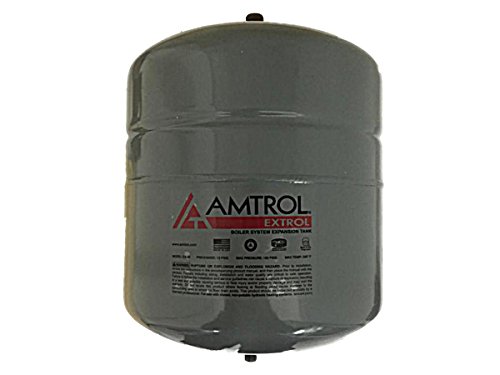
The Amtrol EX-30 Extrol line provides an inline, well-tank style expansion reservoir with a thick butyl/EPDM diaphragm for long service life. This design is robust for steady performance in hydronic systems and is well-suited for installations requiring a reliable air-water separation in a compact form factor. Its diaphragm-driven design helps minimize air loss and maintain system pressure consistency.
Potable Thermal Expansion Tank (2.1 Gal)
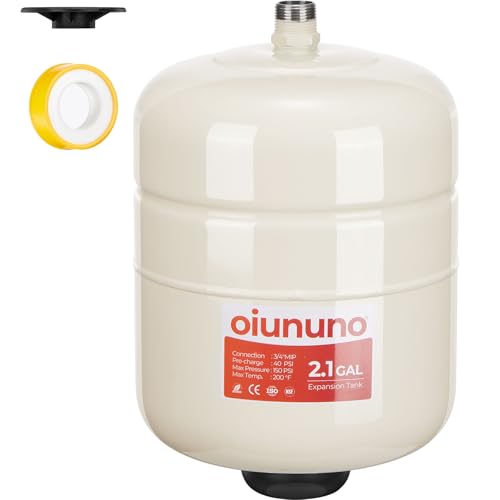
Designed for potable water systems, this tank uses a thick-walled carbon steel body with a 3/4″ MNPT connection. It features a dual O-ring leak-resistant air valve and a diaphragm made from food-grade EPDM rubber, supporting safety in drinking-water applications. The tank is rated for higher pressure with a factory test at 207 PSI, though recommended operating pressures are kept at or below 150 PSI for sustained life and safe operation.
Flexcon PH5 FLEX2PRO Thermal Expansion Tank

Flexcon’s PH5 FLEX2PRO uses a 100% butyl diaphragm with a plastic liner to separate system water from precharged air. A stainless steel nipple minimizes corrosion risk at the system connection, and the exterior is finished with appliance-quality paint to further protect against corrosion. This tank is designed to deliver reliable expansion control while resisting common environmental challenges in heating systems.
Amtrol 60 Extrol Boiler System Expansion Tank

The Amtrol 60 Extrol provides a larger-capacity option with a 7.4-gallon volume and a 1/2″ NPTM connection, suitable for medium-to-large boiler systems requiring significant expansion accommodation. It supports a maximum working pressure around 100 psi, balancing resilience with safe limits. The Extrol design is known for durable diaphragms and long service life in demanding installations.
Buying Guide: Key Considerations For Choosing An Expansion Tank
When selecting an expansion tank for a boiler or hydronic heating system, consider system type, water quality, anticipated pressure ranges, and installation constraints. The following points summarize essential considerations and how they affect performance:
- System type and compatibility: Closed-loop hydronic systems and potable water applications require different diaphragm materials and certifications. Non-potable tanks are suitable for heating loops, while potable-rated tanks use food-grade diaphragms and valves.
- Diaphragm material and pre-charge: Diaphragm design (butyl, EPDM, or similar materials) influences durability and response to cycling. Pre-charge pressure should match the system’s static pressure to minimize water hammer and protect components.
- Tank capacity versus load: Larger volumes absorb more expansion, beneficial for high-temperature rise or long piping runs. However, space and cost considerations may favor smaller tanks in smaller systems.
- Connection size and mounting: Typical connections range from 1/2″ to 3/4″ MNPT. Consider whether in-line mounting or direct piping attachment is preferred for serviceability and ease of installation.
- Pressure ratings: Verify maximum working pressure and relief valve settings in the boiler. Choose a tank rated for operating pressures comfortably below relief valve thresholds to ensure reliability over time.
- Maintenance and service life: Diaphragm life, air charge retention, and corrosion resistance affect long-term reliability. Tanks with robust diaphragms and corrosion-resistant finishes tend to require less frequent maintenance.
- Certifications and materials for potable use: For drinking-water systems, ensure the tank materials are food-grade and compliant with applicable health and safety standards to avoid contamination risks.
Installation and Safety Tips
- Follow manufacturer installation instructions and local codes. Improper installation can lead to leaks or inadequate pressure control.
- Test the system after installation, checking the pre-charge, air charge, and pressure relief settings to ensure proper operation.
- Schedule regular inspections to verify diaphragm integrity and connections, especially in systems with high cycle frequency or aging components.
- Keep clear access to expansion tanks for monitoring and maintenance. Ensure the tank is not installed in confined spaces where service access is hindered.