Basement comfort often requires a reliable gas heater that can safely warm large or irregularly shaped spaces. The following selections emphasize ventless and radiant options designed for basements, offices, and additional living areas. They balance BTU power, safety features, and ease of installation to help you choose a model that fits your space and climate. The table below highlights key specs for quick comparison.
| Product | Brand | BTU | Coverage | Fuel |
|---|---|---|---|---|
| ProCom MN300TBA-B Ventless Blue Flame | ProCom | 30,000 | Up to 1,400 sq. ft. | Natural Gas |
| Rinnai FC824N Ventless | Rinnai | 8,000 | Small to medium rooms | Natural Gas |
| Mr. Heater MHVFBF20NGT | Mr. Heater | 20,000 | Up to 700 sq. ft. | Natural Gas |
| Mr. Heater MHVFRD20NGT | Mr. Heater | 30,000 | Up to 1,000 sq. ft. | Natural Gas |
| ProCom MN300HBA-B | ProCom | 30,000 | Up to 1,400 sq. ft. | Natural Gas |
ProCom MN300TBA-B Ventless Blue Flame Space Heater

The ProCom MN300TBA-B provides a robust 30,000 BTU of natural gas heating in a compact, ventless blue flame design. It is suitable for spaces up to 1,400 square feet and includes thermostat control with High/Medium/Low settings. The unit is designed for both wall mounting and floor placement with base feet, offering versatility for basement layouts. Its blue flame burner emphasizes efficient convection heat to create a comfortable environment without excessive energy use. Safety features include an oxygen depletion sensor and automatic shut-off when necessary. This model aims to balance power with a slim, modern profile that suits a basement living area or home office.
Rinnai FC824N Ventless Natural Gas Heater
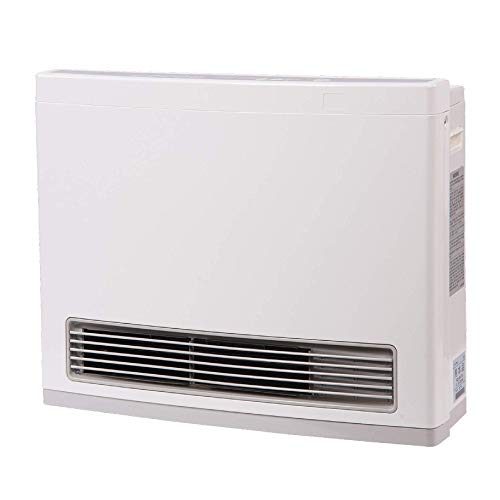
The Rinnai FC824N is a compact ventless heater engineered for energy-efficient warmth in smaller basements or rooms. Its programmable thermostat allows precise temperature control, while built-in safety features include a flame failure device, overheat protection, and an oxygen depletion sensor. The unit’s design emphasizes reliable operation and maintenance ease, with self-diagnostics to reduce service interruptions. This model is best for moderate spaces where consistent, regulated heat is desired without external venting. The vertical input/output design helps integrate into constrained basement layouts while maintaining a clean aesthetic.
Mr. Heater MHVFBF20NGT 20,000 BTU Vent Free Heater
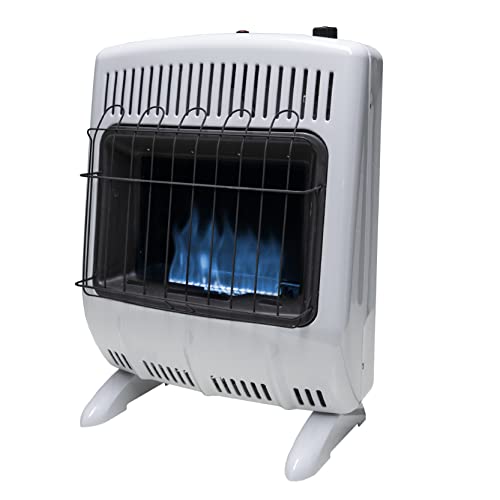
This 20,000 BTU vent-free gas heater from Mr. Heater is designed for supplemental heat in basements, sunrooms, and small additions up to about 700 square feet. It uses convection to distribute heat and includes a simple thermostat for easy manual control. The unit emphasizes fuel efficiency with a blue flame burner and a low-but-consistent energy draw. It is suitable where electricity access is limited or where a straightforward, no-fuel-line setup is preferred. Safety features include sensors and automatic shut-off options to help prevent overheating.
Mr. Heater MHVFRD20NGT Vent Free Radiant 30,000 BTU

The MHVFRD20NGT is a radiant, vent-free gas heater rated at 30,000 BTU, delivering direct warmth to occupants and objects in rooms up to 1,000 square feet. Its infrared technology provides sun-like warmth, which can be effective for basements with cool floors or drafts. Safety enhancements include an automatic low-oxygen shut-off sensor and multiple protection features to mitigate unsafe conditions. This model is well-suited for spaces where radiant warmth and quick temperature rise are desirable, and where electric ignition is preferred for reliability in low-power scenarios.
ProCom MN300HBA-B Ventless Blue Flame Heater
The ProCom MN300HBA-B is a 30,000 BTU natural gas heater designed to warm spaces up to 1,400 square feet. It features a manual control with three heat settings and an integrated oxygen depletion sensor that provides automatic shut-off if needed. The unit’s ventless design simplifies installation in basements, and its base feet allow floor placement in addition to wall mounting with the included hardware. This model emphasizes consistent heat distribution and straightforward operation for larger basement zones that require reliable, year-round comfort.
Buying Guide: Key Considerations For Basement Gas Heaters
- Fuel type and availability: Natural gas units typically require a dedicated line; propane units are common in off-grid setups. Confirm supply reliability in your home and city codes before choosing.
- Ventless vs. vented: Ventless models offer easier installation but must be used in well-ventilated spaces to avoid moisture buildup. Venting requirements vary by model and local code; check your basement’s layout and any building restrictions.
- BTU and area coverage: Match the heater’s BTU rating to the basement size and insulation level. Oversized units can cause overheating, while undersized units struggle to reach target comfort levels.
- Safety features: Look for oxygen depletion sensors, flame failure devices, tilt or tip switches, and automatic shut-offs. These features are essential in occupied basements and rooms with low ceilings.
- Thermostat control: Programmable or digital thermostats enable precise temperature management and energy savings. Manual controls offer reliability but less automation.
- Installation considerations: Wall mounting versus floor placement affects heat distribution and space utilization. Ensure proper clearance from walls, flooring, and any flammable materials.
- Altitude and efficiency: Some models optimize performance at higher elevations or in cooler climates. Consider efficiency ratings and the expected yearly energy cost impact.
- Maintenance and diagnostics: Self-diagnostics and accessible maintenance procedures reduce downtime and service costs. Plan for regular filter checks and vent cleaning where applicable.
- Noise and comfort: While most gas heaters operate quietly, radiant and blue-flame designs can produce varying fan or burner sounds. Evaluate comfort needs for living or sleeping areas in the basement.
- Code compliance: Local building codes may dictate venting, clearances, or thermostat requirements. Consult a licensed professional if you are unsure about installation standards.
In selecting a basement gas heater, prioritize safety features, consistent heat delivery, and installation flexibility. The models listed above offer varied BTUs, from 8,000 to 30,000, enabling choices across different basement sizes and insulation levels. Always verify local regulations and, if needed, have a professional assist with installation to ensure safe, compliant operation throughout the heating season.