Best Gas Heaters for Camper Comfort and Safety
Travelers who camp in cooler climates rely on compact, efficient gas heaters to stay warm without sacrificing space. The following selections are popular propane and gas heaters suited for campers, RVs, and small cabins. Each option balances warmth, safety features, and portability to help you choose a reliable heat source for outdoor adventures.
Product overview — this table highlights five well-regarded options for camping and RV use. Use it as a quick reference when comparing heat output, coverage, and key safety features.
- Mr. Heater F215100 MH4B Little Buddy: 3,800 BTU, indoor safe with ODS and tip-over protection, up to 95 sq ft
- Mr. Heater Portable Buddy: 4,000–9,000 BTU radiant heat, indoor/outdoor capable, heats up to ~225 sq ft
- ProCom ML100TBAHR: 10,000 BTU blue flame heater with thermostat, heats up to 300 sq ft
- ThermoMate PHF18B: 18,000 BTU outdoor/indoor capable, heats up to 450 sq ft
- Dyna-Glo IR30PMDG-1: 6,000–30,000 BTU infrared heat, up to 1,000 sq ft
Mr. Heater F215100 MH4B Little Buddy 3800-BTU
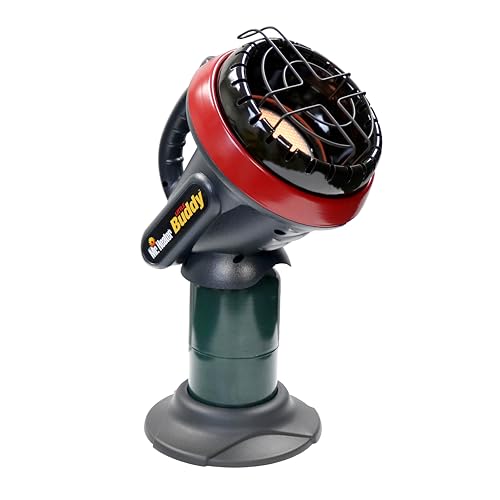
The Little Buddy model provides a compact radiant heat source with 3,800 BTU, ideal for tents or small campers up to around 95 square feet. It is designed for indoor use with safety systems including an oxygen depletion shut-off (ODS) and a tip-over protection mechanism. The heater operates from a propane cylinder and offers straightforward on/off control for simple warmth on chilly nights. Its 45° radiant angle helps direct heat where you need it, while remaining lightweight for easy transport.
Performance notes: suitable for elevated environments up to 7,000 feet, which broadens its usability in mountainous or forested camping locations. Runtime on a 1-pound cylinder is modest but practical for short-term heating sessions. This unit emphasizes safety alongside portability, making it a strong pick for hikers and RV beginners who prioritize enclosure safety.
Mr. Heater Portable Buddy

This versatile radiant heater offers adjustable output with 4,000 to 9,000 BTU/h, providing warmth for spaces up to roughly 225 square feet. It is designed for both indoor and outdoor use, making it suitable for campers who may switch between enclosed shelters and open-air setups. The Portable Buddy is compact, lightweight, and known for easy startup and steady heat. It’s an excellent option for campers who want a flexible heat source that covers a mid-sized footprint without excessive bulk.
Key considerations: ensure proper ventilation and install a carbon monoxide monitor in enclosed areas. While very effective, radiant propane heaters require safe clearances from combustibles and adherence to manufacturer guidelines for continuous operation in tents or small cabins.
ProCom ML100TBAHR Ventless Propane Heater

The ProCom ML100TBAHR is a ventless blue flame heater rated at 10,000 BTU, designed to provide steady warmth in living rooms, bedrooms, or small cabins. Its thermostat control helps automatically cycle the burner to maintain a comfortable temperature, which can be advantageous for campers who want consistent heat without manual adjustments. This unit is intended for propane gas, and its ventless design makes it a convenient choice for many RV setups where a direct venting path is unavailable.
Safety notes: as with any ventless heater, ensure proper room size matching and adequate ventilation. It’s also advisable to follow all clearance guidelines to prevent heat exposure to nearby objects and to monitor for any gas-related concerns during extended operation.
ThermoMate PHF18B Propane Heater

The ThermoMate PHF18B delivers 18,000 BTU of radiant heat, designed for outdoor patios, garages, or camping setups where more warmth is needed. It includes features like ODS and tip-over protection to support safe operation in enclosed spaces, and its robust heating capacity can cover up to 450 square feet. The unit is portable and built to withstand outdoor conditions, making it a strong option for campers who require reliable warmth over larger areas or for late-season trips that demand higher-output heating.
Practical notes: the heater is best used in areas with adequate ventilation and may require a stand or mounting solution depending on the camping environment. Be mindful of wind exposure and ensure clearances from flammable materials in tents or shelters when operating at higher BTU levels.
Dyna-Glo IR30PMDG-1 Infrared Wall Heater

The Dyna-Glo IR30PMDG-1 uses infrared technology to heat objects and people directly rather than warming the air, offering a practical approach for campers seeking quiet, efficient warmth. With a broad heat range from 6,000 to 30,000 BTU per hour, it can heat spaces up to about 1,000 square feet, depending on insulation and airflow. This model is well-suited for larger tents, cabins, or RV interiors where a more powerful heat source is needed without constant high fuel consumption.
Considerations: infrared heaters tend to feel different from traditional convection heaters, so occupants may notice heat on exposed skin even if air temperature remains moderate. Ensure safe mounting and keep the heater away from combustibles, especially in compact camping shelters.
Tankless Water Heater Propane With Digital Display

This tankless propane water heater provides on-demand hot water with a maximum output of 85,300 BTU/hour and a flow rate of up to 3.66 gallons per minute. It features multiple safety protections, including anti-freeze, dry-fire, overheat, and high water pressure protections. While primarily designed for water heating, its high BTU capacity and compact footprint can be advantageous for campers who need reliable hot water on extended trips. It’s compatible with many RV setups and can be a component of a broader camping comfort system when paired with proper venting and installation.
Important: this device is more complex than a standard space heater and requires careful integration with RV plumbing and propane lines. Always follow manufacturer installation instructions and local safety regulations when operating in camping environments.
Buying Guide: How To Choose A Gas Heater For Your Camper
- Heat output vs. space: Match BTU capacity to the size of your shelter. Smaller tents benefit from 3,500–9,000 BTU units, while larger campers may need 12,000–30,000 BTU options for efficient warming.
- Ventilation and safety: Ventless models save space but require good air exchange. Look for oxygen depletion sensors (ODS), tip-over switches, and automatic shut-offs. In enclosed trailers or tents, consider CO detectors and proper clearances around combustibles.
- Fuel type and availability: Propane is common for campers due to portability. Check cylinder compatibility, fuel supply, and whether a unit supports running on standard campground propane arrangements or larger tanks for longer trips.
- Portability vs. permanence: Determine how often you’ll move or set up heat. Compact units and foldable stands provide mobility, while wall-mounted or ventilated units suit stationary RV setups.
- Ventilation requirements: Ventless heaters simplify installation but require room size and airflow considerations. For larger spaces or outdoor patios, vented or radiant units can offer safer long-term operation.
- Maintenance and safety checks: Inspect hoses, regulators, and shut-offs regularly. Replace damaged parts before camping trips and store fuel away from heat sources and living spaces.
- Noise and comfort level: Infrared heaters provide direct warmth and quieter operation, while radiant or blue flame models heat the air more broadly. Consider comfort preferences for quiet nights inside the camper.
- Price and availability: Compare initial cost, fuel efficiency, and replacement parts. Budget for CO detectors, proper hoses, and mounting hardware if needed.
When choosing, consider your typical camping scenario: short weekend trips in moderate climates may benefit from lightweight, portable options, while extended stays or high-altitude camping may require higher BTU output and robust safety features. Always prioritize devices with recognized safety certifications and compatibility with your RV or shelter space.