Sunrooms require efficient, reliable heat sources that can handle variable occupancy, insulation, and ventilation. This guide highlights five dependable gas heaters—from vented and ventless infrared models to high‑BTU units—that deliver steady warmth for sunlit spaces. Each option is selected for performance, safety features, and suitability for sunrooms, patios, garages, and similar areas.
| Product | BTU | Gas Type | Vent Type |
|---|---|---|---|
| Mr. Heater F260550 Big Maxx MHU50NG | 50,000 | Natural Gas | Ventless/Unit Heater |
| Mr. Heater MHVFRD20NGT | 30,000 | Natural Gas | Vent-Free Infrared |
| ProCom MN300TBA-B | 30,000 | Natural Gas | Ventless Blue Flame |
| ProCom MN100TBA-B | 10,000 | Natural Gas | Ventless Blue Flame |
| Mr. Heater 30,000 BTU Vent Free Propane Heater | 30,000 | Propane | Vent-Free Infrared |
Note: This table summarizes the key specs to help compare heat output, fuel type, and venting. Always verify installation requirements and local codes before purchase.
Mr. Heater F260550 Big Maxx MHU50NG: High‑Output Natural Gas Unit Heater
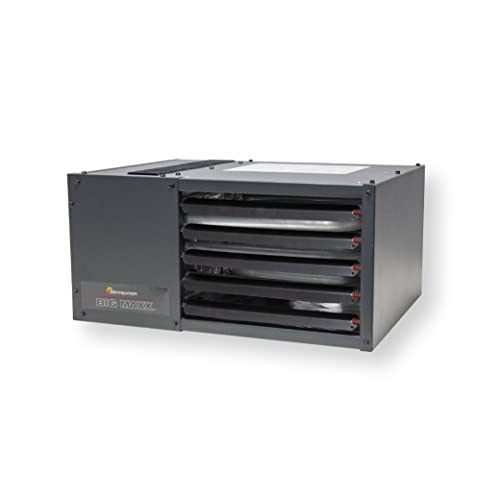
The Mr. Heater F260550 Big Maxx MHU50NG is a 50,000 BTU natural gas unit heater designed to warm larger sunrooms and spaces up to roughly 1,250 square feet. It features powered exhaust for flexible vertical or horizontal venting and provides easy outside access to the thermostat, A/C terminals, and gas connections. This model is well-suited for spaces needing robust, continuous heat without relying on electricity for fuel delivery. Typical applications include sunrooms, workshops, and semi‑indoor spaces that benefit from ductless warmth. Installation should consider appropriate venting and clearances as specified by the manufacturer and local codes.
Mr. Heater MHVFRD20NGT Vent Free Radiant 30,000 BTU

This vent‑free infrared heater delivers 30,000 BTU of warmth and is designed to heat spaces efficiently by warming objects and people directly. Its radiant technology makes it a good option for sunrooms and open spaces up to about 1,000 square feet. Safety features include an automatic low‑oxygen shut‑off system that detects oxygen levels and cuts gas to prevent unsafe operation. The unit is well suited for offices, homes, garages, patios, sunrooms, and cabins requiring supplemental heat without a vented exhaust path.
Mr. Heater F260560 Big Maxx MHU80NG: 80,000 BTU Natural Gas Unit Heater
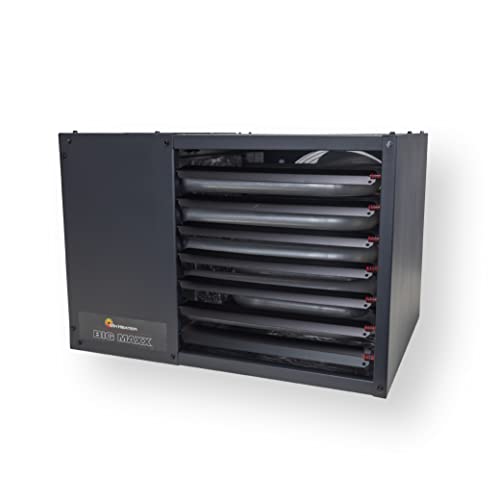
The 80,000 BTU Big Maxx unit provides substantial heating capacity for larger sunrooms or spaces requiring rapid warmth recovery. It is vented as a unit heater with suggested clearances and venting configurations suitable for vertical or horizontal venting. While more powerful, it requires appropriate installation and venting considerations, including clearances from combustibles and structural support for the heavier unit. This option is ideal where consistent, robust heat is needed in chilly seasons or for high‑occupancy spaces.
ProCom MN300TBA-B Ventless Natural Gas Blue Flame Heater, 30,000 BTU

The ProCom MN300TBA-B is a 30,000 BTU ventless blue flame heater that heats up to approximately 1,400 square feet, making it a strong choice for sunrooms needing steady warmth with no venting required. It features a thermostat for multiple heat settings and includes mounting hardware for wall installation or base feet for floor placement. The design emphasizes compact form and modern styling, allowing integration into living areas while providing effective convection warmth.
ProCom MN100TBA-B Ventless Blue Flame, 10,000 BTU

With 10,000 BTU and ventless blue flame technology, the ProCom MN100TBA-B provides compact warmth suitable for smaller sunrooms or auxiliary spaces. It includes a thermostat control for High/Medium/Low settings, and its slim, modern profile fits into living areas without imposing on space. It can be mounted on a wall or placed on the floor with base feet, depending on layout and safety considerations for indoor gas appliances.
Mr. Heater 30,000 BTU Vent Free Propane Heater for Sun Rooms
This propane vent‑free heater delivers 30,000 BTU of warmth with infrared radiation to heat occupants and objects directly. It is designed for sunrooms, additions, and cabins and emphasizes efficient fuel use and broad heat coverage up to 1,000 square feet. The model supports standard propane operations with considerations for fuel supply and venting in accordance with local codes and safety guidelines. A practical option when natural gas lines are not available.
Buying Guide: Key Considerations For Gas Heaters In Sunrooms
- Safety and venting: Vented unit heaters require proper installation to manage exhaust, while ventless models rely on oxygen depletion sensors and adequate ventilation. Always follow local codes and manufacturer instructions.
- Heat output and space size: Match BTU rating to the sunroom size. Over‑ or undersized units can waste energy or fail to maintain comfortable warmth.
- Fuel type versatility: Natural gas units are common, but propane models offer flexibility when gas lines aren’t available. Ensure proper gas supply and connections are in place.
- Installation constraints: Consider ceiling height, venting paths, clearances from walls and combustibles, and whether a wall mount or floor stand best fits your space.
- Operation and maintenance: Thermostats, ignition reliability, and access for routine maintenance affect long‑term performance. Vented systems may require professional servicing for venting integrity.
- Energy efficiency: Look for infrared or blue flame technologies that heat people and objects directly, reducing energy waste and improving perceived warmth in sunlit areas.
- Cost of ownership: While initial installation can vary, consider ongoing fuel costs, required venting materials, and potential maintenance services when evaluating options.
- Durability and warranty: Check construction quality, corrosion resistance, and warranty terms to protect your investment in a frequently used space.
- Noise and aesthetics: Some units operate quietly; consider the heater’s visual fit with the room and any noise constraints in a living area.
Selecting the right gas heater for a sunroom involves balancing heating requirements, space configuration, and safety. The options above provide a range of BTU outputs, venting styles, and fuel types to support reliable warmth across different sunroom layouts and climates.