Best Gas Infrared Heaters for Garage: Efficient Warmth for Large Spaces
Searching for a gas infrared heater to keep a garage comfortable and energy-efficient? Gas infrared units heat people and objects directly, delivering rapid warmth without wasting fuel on unused air. This guide reviews five reliable options that balance BTU output, venting needs, and safety features. Whether you’re heating a workshop, RV garage, or a home hobby space, these models offer durable performance for American garages.
Summary of chosen products
| Product | Type | BTU | Vent / Setup | Key Benefit |
|---|---|---|---|---|
| Mr. Heater F260550 Big Maxx MHU50NG | Natural Gas Unit Heater | 50,000 | Powered exhaust, vertical or horizontal venting | High capacity for larger spaces |
| Dyna-Glo IR30NMDG-1 | Natural Gas Infrared Wall Heater | 30,000 | Wall-mounted, infrared | Efficient infrared warmth, up to 1,000 sq ft |
| Mr. Heater Vent Free Radiant MHVFRD20NGT | Vent-Free Infrared Gas Heater | 30,000 | Vent-free indoor operation | Safe, supplemental heat for diverse spaces |
| Mr. Heater F272800 MH40NG | Natural Gas Garage Heater | 40,000 | Category 1 vertical, category 3 horizontal venting | Balanced size and efficiency for garages |
| Mr. Heater F260560 Big Maxx MHU80NG | Natural Gas Unit Heater | 80,000 | Venting options and kit compatibility | High-output solution for very large spaces |
Mr. Heater F260550 Big Maxx MHU50NG Natural Gas Unit Heater
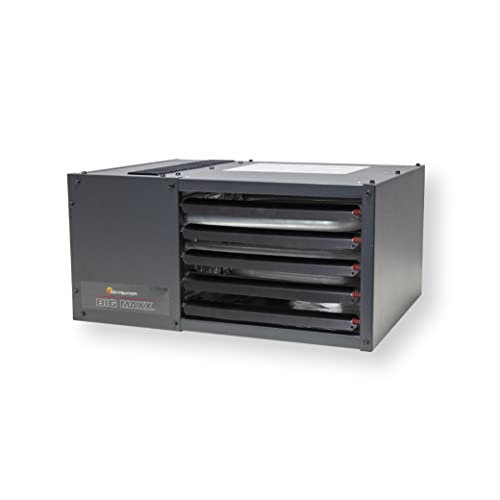
Overview: This 50,000 BTU natural gas unit heater is designed to heat large spaces efficiently. Its powered exhaust allows flexible venting orientations—vertical or horizontal—making it adaptable to existing garage layouts. An accessible thermostat and gas connection area simplify installation and maintenance. For garages up to around 1,250 square feet, this model delivers robust warmth with predictable fuel use.
Dyna-Glo IR30NMDG-1 30,000 BTU Natural Gas Infrared Wall Heater

Overview: The Dyna-Glo IR30NMDG-1 uses infrared technology to warm people and objects rather than the entire air volume. Rated at 30,000 BTU, it can heat up to about 1,000 square feet. It’s natural gas ready, but fuel conversion isn’t permitted. This unit is well-suited for garages that prefer focused radiant heat and a compact footprint on the wall for saving floor space.
Mr. Heater Vent Free Radiant 30,000 BTU MHVFRD20NGT

Overview: This vent-free infrared option provides strong radiant warmth with 30,000 BTU, covering spaces efficiently up to about 1,000 sq ft. Its safety features include an automatic low-oxygen shut-off system, which detects oxygen depletion and cuts gas to avoid unsafe conditions. It’s ideal for insulated garages and spaces where venting is challenging, delivering a steady heat output with minimal ventilation requirements.
Mr. Heater F272800 MH40NG Natural Gas Garage Heater

Overview: The MH40NG delivers 40,000 BTU of efficient infrared heat suitable for typical garages with higher ceilings. It is designed for use in structures with ceiling heights around 12 to 15 feet. Clearance requirements are clearly defined, aiding safe installation. The model supports reliable supplemental heating during cold months and helps reduce overall heating costs when used strategically with insulation.
Mr. Heater F260560 Big Maxx MHU80NG Natural Gas Unit Heater
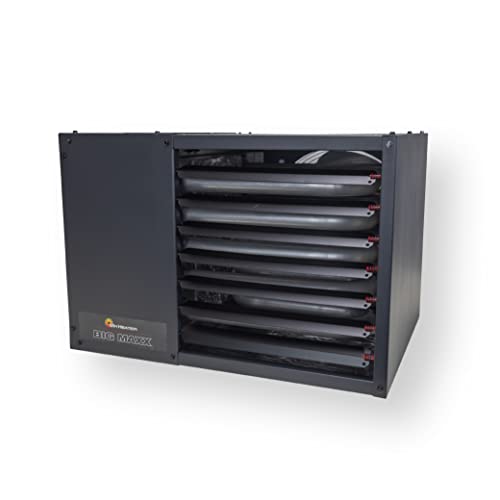
Overview: The Big Maxx MHU80NG delivers up to 80,000 BTU for very large garages or workshop spaces. It includes mounting flexibility and is compatible with standard natural gas lines. With its substantial output, it’s designed for spaces where a brisk, consistent heat is required across substantial footprints. Always verify venting compatibility and clearances to ensure safe operation.
Buying Guide: Key Considerations For Gas Infrared Garage Heaters
- Space and BTU sizing: Larger garages demand higher BTUs. Match the heater’s output to the square footage and ceiling height. Look for models that clearly list the recommended coverage area.
- Ventilation and venting options: Vented heaters require appropriate exhaust pathways. Vent-free models simplify installation but rely on room air quality and oxygen levels. Assess your garage’s ventilation, fuel type, and local codes.
- Heat distribution: Infrared units heat people and objects directly, providing comfort quickly. Unit heaters distribute heat through warm air as well; consider combined use where appropriate to balance warmth and efficiency.
- Installation considerations: Wall-mounted infrared heaters save floor space, while unit heaters may require ducting or venting. Check clearance distances from walls, ceilings, and combustible materials as specified by the manufacturer.
- Safety features: Look for oxygen depletion sensors, overheat protection, and automatic shut-off mechanisms. Vent-free models should meet safety standards for indoor use and adequate ventilation.
- Fuel type and maintenance: Natural gas models require gas lines and regular servicing. Liquid propane versions offer flexibility but may need different venting or clearances. Regular maintenance keeps burners clean and efficient.
- Energy efficiency and operating cost: Infrared heat can feel warmer on the skin with less air movement, often reducing energy use. Compare efficiency ratings and potential fuel savings for your garage routine.
- Floor plan and aesthetics: For garages integrated with living spaces or visible workshop areas, consider heat output along with noise levels and design. A compact wall unit or vent-free option might better suit visible areas.
- Code compliance: Verify local building codes, venting requirements, and installation permits. Gas appliances must adhere to safety and ventilation standards.
Selecting the right gas infrared heater involves balancing space, safety, and installation needs. For most larger garages, a high-BTU unit with flexible venting will deliver dependable warmth, while smaller spaces can be efficiently heated with radiant infrared wall units. Vent-free models are convenient where venting is limited, but ensure proper room oxygen levels and compliance with codes. Compare product specs, installation requirements, and warranty terms to choose a model that aligns with your garage layout and heating goals.