Germicidal UV light for HVAC systems is a proven method to reduce biofilms, mold, bacteria, and odors circulating through ducts. This article highlights five top UV light options and provides guidance to help you choose the right model for residential or small commercial setups. Each product focuses on safe installation, ozone considerations, and compatibility with common HVAC configurations.
Summary of selected products:
| Product | Brand | Model / Notes | Key Benefit |
|---|---|---|---|
| BioShieldUV HVAC 18W (Magnetic) | Mammoth | 18W, 24V, magnetic mounting | Easy magnet installation; low ozone by-product |
| R2000 Duct UV Light | REKOLIGHTING | R2000, 14″ 18W, magnetic | Direct duct mounting; European bulbs |
| BioShieldUV 18W Wall Outlet | Mammoth | 18W, wall socket powered | External power option; portable |
| Qualirey 26W UV Light | Qualirey | 26W, 253.7 nm | High-output for larger ducts |
| Fresh-Aire Blue Tube 24V | Fresh-Aire UV | 24V, most popular system | Reliability and ease of use |
BioShieldUV HVAC 18W Magnetic Light (Mammoth)

The BioShieldUV 18W magnetic UV light is designed for straightforward installation in residential or commercial HVAC units. It wires directly to the HVAC ballast, enabling a compact, integrated setup that works with air handlers, ducts, and furnaces. The unit emphasizes safety with ozone emissions well below common limits, making it a practical option for ongoing duct and coil sanitation. Its magnetic mount supports quick repositioning without drilling, and the 18-watt output is designed to balance effective disinfection with energy efficiency.
REKO R2000 Duct UV Light (R2000)
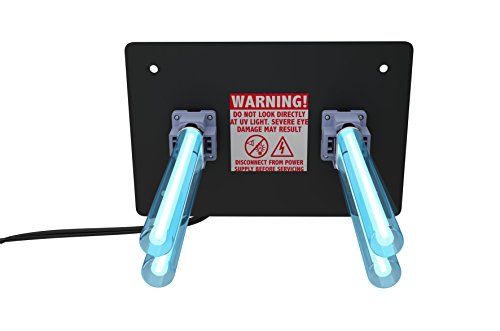
The R2000 UV light by REKO Lighting is designed for direct duct installation and uses a 253.7 nm UVC output. The European-made bulbs emphasize quality and longevity, with a design that minimizes space requirements in the duct path. This option targets HVAC coils and ducts, reducing biofilm formation and improving indoor air quality. Installation is straightforward for technicians comfortable with ductwork, and the system is optimized for continuous operation with minimal maintenance.
BioShieldUV 18W (Wall Outlet) Magnetic UV Light

This variant isolates from direct ballast wiring by using a wall outlet power connection. It maintains a magnetic mounting approach for easy relocation and compatibility with standard residential HVAC equipment. The included safety considerations focus on ozone by-product, with testing showing low emissions relative to some competing products. The LED indicator feature helps users verify operation without disassembly, simplifying routine checks and maintenance routines.
Qualirey 26W UV Light In Duct

The Qualirey 26W model targets larger duct or furnace setups, offering 253.7 nm UVC output for robust disinfection. It is designed for quick installation, with a base that accepts a UV light tube and includes a template for precise hole placement. The product claims compatibility with multiple UV lamp variants and a setup intended to reduce mold, bacteria, and odors in 1-5 ton systems. Lower maintenance is achieved through straightforward bulb replacement and secure mounting.
Fresh-Aire Blue Tube 24-Volt

The Fresh-Aire Blue Tube is a widely adopted UV light system recognized for reliability and ease of installation. It emphasizes continuous air treatment with a maintenance-friendly design, though users should note the necessity of periodic UV lamp replacement. Its 24-volt configuration and plug-and-play approach simplify integration with existing HVAC systems, helping to maintain cleaner coils and ducts for improved indoor air quality.
Buying Guide: Key Considerations For HVAC UV Light Purchases
- Power and wavelength: Look for 253.7 nm UVC lamps, the standard for germicidal efficacy. Wattage should align with your system size—larger ducts may benefit from 26W or higher.
- Installation method: Magnetic or wall-outlet options offer easy installation and relocation. Direct ballast wiring is common for integrated units, while wall-powered models reduce wiring work.
- Ozone considerations: Choose models tested for low ozone by-products (ideally under 0.05 ppm). Ozone can impact indoor air quality and occupant comfort, so verify certification data.
- Indicator features: LED or indicator lights help monitor operation without disassembly. This reduces maintenance time and ensures continuous disinfection.
- Maintenance and replacements: Confirm bulb lifespans (hours) and ease of bulb replacement. Some kits include multiple bulbs for extended uptime before replacement is needed.
- Compatibility: Check duct size, coil type, and the required mounting style (magnetic, bracket, or direct wiring). Ensure the product supports your system’s voltage (24V vs 120V).
- Safety and installation guidance: A clear installation package, templates, and gasket or grommet provisions help create airtight seals and prevent leaks around the UV assembly.
- Compliance and testing: Look for products with EPA or CARB ozone testing or other independent verifications to ensure safe operation in occupied spaces.
- Energy impact: UV systems consume modest power, but consider the overall energy footprint when designed for 24/7 operation in commercial settings.
When selecting a germicidal UV light for HVAC, match the device to your system’s size, access, and maintenance tolerance. For duct-mounted setups, ensure the kit includes proper mounting hardware and a straightforward replacement path. For residential units, wall-powered or magnetic models often provide a balance of ease and efficacy, while larger homes or small offices may benefit from higher-wattage options paired with robust ozone controls.