Protecting outdoor HVAC equipment from hail, debris, and weather is essential for longevity and efficiency. This guide highlights five effective options that block physical damage while preserving airflow and performance. Each pick targets common outdoor HVAC vulnerabilities—from top covers that shield condensers to rugged insulation sleeves for exposed piping. Read on to compare features and find a solution that fits your system and climate.
Summary of chosen products
- MODERN WAVE Central Air Conditioner Cover for Outside Units 28 x 28
- JEACENT Air Conditioner Covers For Outside Units Black 36″×36″
- Lisol Full Mesh Air Conditioner Cover
- Airex 72C-B E-Flex Guard for Line Sets
- Crssbrohip 3 Layers HVAC Copper Pipe Insulation Cover (72 x 10.2″)
MODERN WAVE Central Air Conditioner Cover for Outside Units 28 x 28
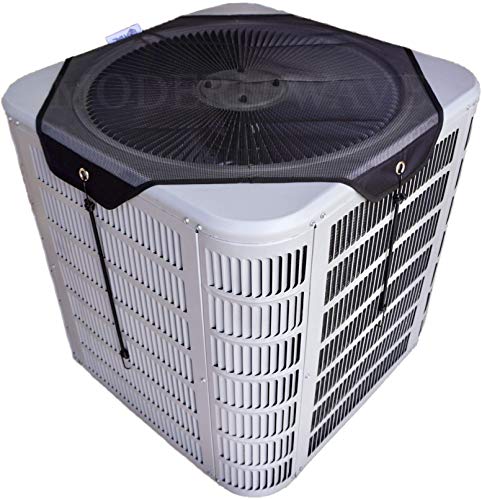
The MODERN WAVE AC cover offers top protection to outdoor condenser units, helping to keep leaves and branches out of the core while allowing air to circulate. Its four adjustable bungee cords secure the cover over the top, reducing movement during windy conditions. The mesh material is designed to promote airflow and minimize moisture buildup inside the unit, supporting ongoing efficiency and reducing rust risk. This option is well suited for standard 28 x 28 inch outdoor units and works across a variety of climates with moderate debris loads.
Key features at a glance include premium top protection, easy installation with adjustable cords, and high-quality mesh designed for continued air exchange. Users should ensure a proper fit for their unit dimensions and confirm that the mesh is intact to maximize airflow and moisture control.
JEACENT Air Conditioner Covers For Outside Units Black, 36″×36″

JEACENT’s outside unit cover uses an open mesh design to allow air movement while providing top protection from leaves and branches. The larger 36″ x 36″ size accommodates a broader range of condenser footprints, making it suitable for many residential and light commercial setups. The mesh construction is intended to preserve critical airflow, which helps maintain efficient heat exchange and reduce moisture buildup in harsh weather.
Key considerations include the cover’s size compatibility, the durability of the mesh, and how securely it attaches to the unit. For climates with heavy leaf fall or frequent debris, this cover offers a balance of protection and ventilation. Check the unit’s dimensions to ensure a snug fit and verify the attachment method against your landscape and weather patterns.
Lisol Full Mesh Air Conditioner Cover

This full mesh cover from Lisol is designed to shield coils from debris while preserving airflow. Its sturdy construction uses PVC-coated polyester mesh to shield the top and sides, reducing the opportunity for leaves, grass clippings, and other debris to accumulate atop the unit. The design aims to prolong unit life by minimizing corrosion and debris-related strain on the condenser coils, without sacrificing ventilation.
When evaluating this option, consider the cover’s overall dimensions, the airflow requirements of your system, and how the open mesh interacts with local weather. The product emphasizes full top coverage and surface protection combined with continuous air exchange, which can help maintain peak performance even in debris-prone environments.
Airex 72C-B E-Flex Guard for Line Sets

The Airex 72C-B E-Flex Guard focuses on protecting outdoor line sets and copper tubing insulation rather than the condenser shell itself. It guards insulation from sun and weather exposure while supporting compliance with building and energy codes that restrict adhesive tapes. The protector uses engineered PVC material for UV resistance and weather durability, and features a removable, reusable design with hook-and-loop fasteners for simple maintenance.
Consider this option if your concern centers on protecting exposed refrigerant lines and insulation rather than the condenser housing. It complements outdoor unit protection by maintaining insulation integrity, which can help reduce energy losses and temperature transfer while enduring outdoor conditions.
Crssbrohip 3 Layers HVAC Copper Pipe Insulation Cover

This 3-layer insulation cover is designed for outdoor copper line insulation on central air and mini-split systems. The outer layer uses wear-resistant 600D Oxford fabric, the middle layer adds cushioning, and the inner layer employs aluminum foil to reflect heat and minimize temperature transfer. The set includes Velcro straps for a secure fit, with easy installation and reuse without losing adhesive strength. It’s a practical solution for protecting exposed pipes against UV damage and winter chill.
Key points include three-layer protection, durable exterior, flexible installation, and secure fastening. This option is particularly valuable for outdoor piping that traverses exposed areas and faces sun exposure, wind, and varying temperatures. Ensure compatibility with your pipe dimensions and the strap system for optimal protection.
A buying guide for hail guards and protection options
Choosing the right protective accessory for outdoor HVAC equipment involves balancing protection, airflow, and ease of installation. Consider the following perspectives to determine the best option for your system:
- Unit protection vs. line set insulation: If hail is the primary concern, top-shell covers and mesh guards help shield the condenser. For pipe insulation, consider three-layer covers or flexible guards that shield copper lines from sun and moisture.
- Size and fit: Always match the product dimensions to your unit’s footprint and height. A snug fit reduces movement during storms and prevents debris ingress.
- Ventilation and moisture management: Mesh-based guards promote airflow, reducing moisture buildup and corrosion. Ensure the design does not trap moisture under the cover.
- Material durability: Look for UV-resistant PVC, heavy-duty mesh, and weatherproof fabrics. Durable construction extends service life in harsh climates.
- Installation and maintenance: Removable or adjustable fasteners simplify installation and periodic checks. Reusability and ease of removal save time during seasonal maintenance.
- Code and compliance: Some line-set protectors are designed to meet building codes and refrigerant line guidelines. Verify compatibility with local requirements.
- Climate considerations: In leaf-heavy regions, top protectors and leaf guards are beneficial, while in windy, exposed areas, secure fasteners and robust materials are essential.
- Cost vs. benefit: While prices are not listed here, evaluate long-term protection against replacement costs for damaged coils and lines.
When selecting products, combine options if needed: an outer condenser cover for hail and debris, plus a line-set guard or insulation sleeve for exposed piping. This multi-layer approach helps safeguard critical HVAC components year-round, not just during storms.