Choosing a heat exchanger or heat re-circulation solution for a dryer vent can help reclaim wasted warmth and improve year‑round comfort. The products below are designed to redirect or reuse warm air from electric dryers, with options for winter heating, summer venting, and indoor air quality maintenance. This guide highlights five well‑reviewed items that support energy efficiency and safer dryer venting, with clear features to help you decide which setup fits your home.
| Product | Brand | Key Benefit |
|---|---|---|
| 4″ Dryer Vent Heat Saver | Woodeze | Winter warmth with summer venting option |
| Dundas Jafine Heat Keeper Kit CHK100 | Dundas Jafine | Redirects warm air back to living space |
| DITKOK 3-in-1 Indoor Dryer Vent Kit | DITKOK | Multi-function vent with movable baffle |
| Deflecto Ex12 Extra Heat Dryer Heat Saver | Deflecto | Converts dryer into an extra heat source |
| HTKKT Best Vent Indoor Dryer Vent Kit | HTKKT | Upgrade with filters and easy installation |
Note: Each product is designed for electric dryers and involves venting considerations. Review installation instructions and local codes before use.
4″ Dryer Vent Heat Saver By Woodeze

The Woodeze Heat Saver recycles heat from an electric clothes dryer to warm living spaces during cold months, aiming to reduce overall heating needs. A damper redirects warm air outdoors in warm weather, enabling year‑round use. Installation involves connecting flexible ducting to the dryer vent and attaching the unit to a wall with a mounting bracket. The washable lint screen helps maintain vent cleanliness, supporting both safety and efficiency.
Dundas Jafine Heat Keeper Kit CHK100

The Dundas Jafine Heat Keeper Kit CHK100 directs warm, moist air from electric dryers back into the home. It includes a safety valve to reduce back pressure and a ProFlex dryer transition duct that is UL approved for safe venting. This kit emphasizes maintaining indoor warmth while ensuring proper safety measures for venting systems.
DITKOK 3-in-1 Indoor Dryer Vent Kit

The DITKOK indoor vent kit is a versatile 3‑in‑1 system with a movable metal baffle. It can reflect heat back into the room, redirect air outdoors, or operate with no baffle. It’s designed for all 4″ dryer ducts and uses durable all‑metal construction. The kit emphasizes longevity and environmental considerations, offering several configurations to suit seasonal needs.
Deflecto Ex12 Extra Heat Dryer Heat Saver
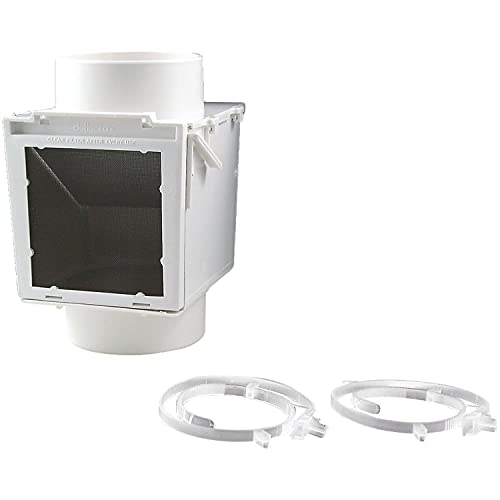
The Deflecto Ex12 converts a standard clothes dryer into an additional heat source. A safety flap enables exterior venting when needed, offering a simple method to reclaim warmth while maintaining vent safety. This solution focuses on straightforward installation and reliable performance.
HTKKT Best Vent Indoor Dryer Vent Kit

The HTKKT indoor dryer vent kit features an upgraded design with a reminder device to prompt lint filter cleaning. It captures lint and dust with polyester and stainless steel filters, and the kit includes an 8‑foot vent hose. Installation is described as straightforward for DIYers, with emphasis on energy efficiency and cleaner indoor air.
Buying Guide: Key Purchase Considerations
When selecting a dryer vent heat exchanger or related kit, consider the following factors to ensure suitability and safety for your home.
- Intended use: Determine whether you primarily want to reclaim winter heat, manage summer venting, or improve indoor air quality while using a dryer.
- Vent type and compatibility: Confirm that the product supports your dryer model, vent duct size (commonly 4 inches), and your home’s venting configuration.
- All‑metal construction vs. plastics: All‑metal kits tend to be more durable and long‑lasting, especially in temperature‑fluctuating spaces.
- Moveable baffle or damper: Kits with adjustable components offer flexibility to direct heat back into the room or vent outside as needed.
- Filters and lint management: Look for built‑in lint filters or easy‑clean filtration systems to maintain airflow and reduce fire risk.
- Safety considerations: Ensure any solution includes a safety mechanism such as a venting damper, back‑pressure protection, or a protective flap to prevent backflow.
- Ease of installation: DIY installation should align with your skill level; review included hardware, mounting options, and mounting brackets.
- Maintenance requirements: Check how often filters need cleaning, whether parts are washable, and whether replacement filters are readily available.
- Energy impact: While the goal is energy savings, assess the expected impact based on your climate, dryer usage, and home insulation.
- Local codes and safety: Verify local building codes and electrical/gas considerations to ensure compliant venting solutions.
Overall, these products provide options to reclaim heat from electric dryers, improve indoor comfort, and support safer venting practices. Compare the features, installation needs, and maintenance requirements to select the best fit for your home environment.