Winter weather can threaten water lines, gutters, and outdoor taps. Heating cables for pipes provide automatic, energy-efficient protection by keeping temperatures above freezing. This article reviews five top options, highlighting safety certifications, suitability for different pipe materials, and installation considerations to help on American homes during cold months.
Buying Guide snapshot: The following five products are evaluated for material compatibility (metal and plastic pipes), temperature protection, certifications, installation ease, and energy efficiency. Use this table to compare at a glance before reading more about each option.
| Product | Power | Key Benefit | |
|---|---|---|---|
| Frost King HC3A Automatic Electric Heat Kit | 3 ft | 7 W/ft | Low-profile protection for small pipes down to -40°F |
| HEATIT 40ft Self-Regulating Heating Cable | 40 ft | 3 W/ft | ETL-certified, energy-efficient with solid protection to -40°F |
| HEATIT HISD 6ft Heating Cable | 6 ft | 7 W/ft | CSA & ETL certified; built-in thermostat |
| Frost King HC6A Automatic Electric Heat Kit | 6 ft | 7 W/ft | Reliable protection for metal and plastic pipes down to -40°F |
| VEVOR Self-Regulating Pipe Heating Cable | 18 ft | 5 W/ft | Built-in thermostat with CE approval and IP68 rating |
Frost King HC3A Automatic Electric Heat Kit

The Frost King HC3A kit provides 3 feet of heating cable rated at 7 watts per foot. It is designed to keep water flowing for both metal and plastic pipes even in temperatures down to -40°F. This compact option is suitable for short pipe runs where a small heater is sufficient, and it offers straightforward installation with a built-in thermostat to automate operation as temperatures drop.
HEATIT 40ft Self-Regulating Heating Cable

This 40-foot HEATIT self-regulating heating cable offers extended coverage for longer runs. It features ETL certification for safety and energy efficiency at 3 W/ft, maintaining water flow in temperatures as low as -40°F. Includes a 2-foot power cord and multiple length options, making it versatile for a range of pipe configurations. The product emphasizes full certification rather than partial certification, and it can work with different pipe materials.
HEATIT Heating Cable – HISD 6ft

HEATIT HISD 6ft heating cable emphasizes safety with CSA and ETL certifications. It is designed for water-filled plastic (including PE-X) or metal pipes and includes a built-in thermostat with straightforward operation. The system turns on at 37°F and off at 50°F, helping to reduce energy use while protecting pipes from freezing in cold climates. A two-year warranty is noted for reliability, and the product is positioned as a complete, certified solution rather than a plug-only certification.
Frost King HC6A Automatic Electric Heat Kit
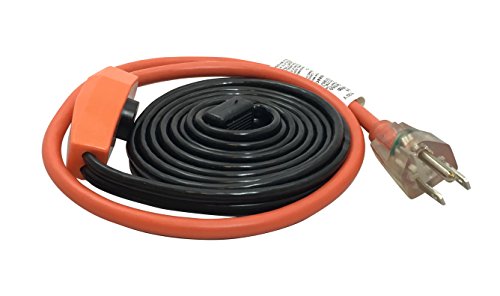
The Frost King HC6A extends protection to 6 feet of pipe with a 7 W/ft rating. This kit is designed for both metal and plastic pipes and is engineered to keep water flowing down to -40°F. It is suitable for longer runs along exterior walls or basements where longer cable length is beneficial. Installation is straightforward and designed to integrate with standard electrical outlets and outdoor setups.
VEVOR Self-Regulating Pipe Heating Cable

VEVOR’s 18-foot self-regulating pipe heating cable uses a 5 W/ft design with built-in thermostat control. It is CE-approved and IP68 waterproof, making it well-suited for exterior use, basements, and areas exposed to moisture. The 3-year expected lifespan adds long-term value, and the thermostat automatically activates around 43°F (6°C) and deactivates around 55°F (13°C). This model targets larger pipe runs with reliable performance across metal and plastic pipes.
Additional Considerations
- Certification matters: Look for ETL or UL listings that cover the entire system, not just the plug.
- Pipe material compatibility: Most cables work with metal and plastic pipes, but verify for PE-X and other plastics.
- Thermostat integration: Built-in thermostats simplify installation, reduce energy usage, and prevent overheating.
- Cable length and routing: Long runs require longer cables or multiple segments; plan for prevent overlapping and safe routing.
- Indoor vs outdoor use: Outdoor-rated cables resist moisture and UV exposure; indoor options may be sufficient for basements or enclosed spaces.
When selecting a heating cable, prioritize complete safety certification, suitability for your pipe type, and the total length required to cover the area at risk of freezing. Proper installation, including securing cables away from sharp edges and ensuring a protected power source, contributes to reliable winter protection.