Best Duct Work Insulation Options for Energy Efficient Heating and Cooling
Protect HVAC systems from heat loss, condensation, and temperature swings with durable duct insulation. This guide reviews five top picks designed to fit various ducts and climates, helping builders and homeowners choose materials that optimize energy efficiency, noise reduction, and fire safety. Each option emphasizes compatibility with standard ductwork and straightforward installation.
Summary of Selected Products
| Product | Brand | Key Feature | Approx. Size | Ideal For |
|---|---|---|---|---|
| Duct Insulation, 1-1/2 In x 48 In x 25 Ft | JOHNS MANVILLE INTL | 1-1/2″ x 48″ x 25 ft | Large duct runs, commercial or residential | |
| SmartSHIELD -5mm 24”X25ft Foam Core Reflective Insulation Roll | INSULATION MARKETPLACE | 24″ x 25 ft | Radiant heat control on duct wraps | |
| CF55 Foil Backed “No Itch” Natural Cotton Duct Wrap | Frost King | 12″ x 1″ x 15 ft | Comfortable installation without protective gear | |
| Duct Insulation, 1-1/2″ x 24″ x 48″ | JOHNS MANVILLE INTL | 1-1/2″ x 24″ x 48″ | Smaller duct sections, high R-value | |
| R-8 HVAC Duct Wrap Insulation Reflective 2 Sided Foam Core | AES | 4′ x 25′ roll | Wide ducts, quick wraps |
Duct Insulation, 1-1/2 In x 48 In x 25 Ft
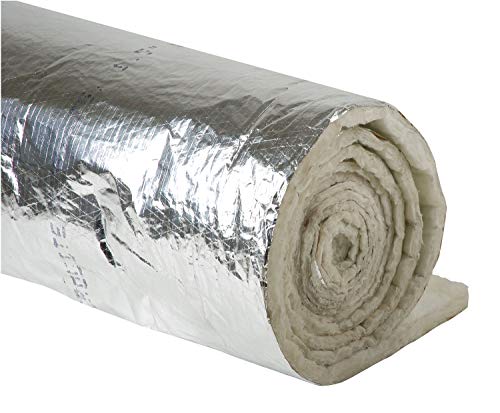
Material: Fiberglass with a foil scrim kraft jacket. Thickness is 1-1/2″, designed for standard ductwork. Temperature tolerance ranges from -32 to 250 F. The wrap provides a practical R-value around 4.2 and comes in a 25-foot length with a 48-inch width. Suitable for commercial or residential duct systems requiring a durable barrier against heat transfer and condensation. The product adheres to multiple industry standards, including ASTM and NFPA, reflecting a focus on safety and reliability.
SmartSHIELD Reflective Duct Wrap

Material: Foam core with a reflective aluminum surface. The product delivers high radiant reflectivity, achieving R-values up to 15.67 with a single layer and up to 21.10 with two layers. It also includes vapor protection to reduce condensation risk and offers sound-dampening properties. This option is well-suited for ducts exposed to significant radiant heat, helping reduce energy transfer and improve overall system efficiency.
Frost King CF55 Foil Backed Duct Wrap

Material: Foil-backed natural cotton duct wrap. The wrap cushions and insulates while reducing vibrations on heating and AC ducts. It’s a safe, “no itch” alternative that minimizes the need for gloves or protective gear during installation. It carries a class A fire rating, aligning with common safety requirements for duct insulation in many buildings.
Johns Manville Duct Insulation, 1-1/2″ x 24″ x 48″

Material: Fiberglass with a foil scrim kraft jacket. The insulation thickness is 1-1/2″, with dimensions 24″ by 48″. Temperature range covers -32 to 450 F on the unfaced side and -32 to 150 F on the faced side. It offers an approximate R-value of 6.5. This product is designed for more demanding duct runs and emphasizes compliance with multiple industry standards for safety and performance.
R-8 HVAC Duct Wrap Insulation (AES)
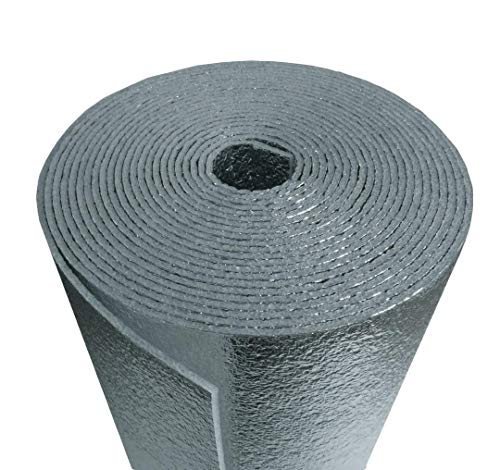
Material: Reflective two-sided foam core with a high radiant barrier. The product provides an R-value up to 15.62 for one layer and 21.10 for two layers. It is waterproof and moisture resistant, helping prevent condensation. It is non-toxic, lightweight, and easy to cut, making it suitable for quick wraps on larger duct sections and for improving overall insulation performance in challenging environments.
Buying Guide: Key Purchase Considerations
When selecting duct insulation, consider a balance of thermal performance, installation ease, safety standards, and compatibility with duct type. Fiberglass jackets are often favored for higher heat tolerance and durable protection in commercial settings, while reflective foam cores excel in radiant heat control for residential and retrofit projects.
- R-Value vs. Space: Higher R-values improve insulation but may require thicker materials. Evaluate space constraints in attic or crawl spaces to determine the best fit.
- Temperature Range: Ensure the product can withstand the operating temperatures of your HVAC system, including any potential exposure to outdoor conditions.
- Moisture Resistance: Vapor barriers or moisture-tolerant cores help prevent condensation, which can reduce efficiency and promote mold growth.
- Fire Safety: Look for materials with appropriate fire ratings (e.g., class A) and compliance with relevant standards (UL, ASTM, NFPA).
- Installation Type: Jackets, wraps, and pre-cut boards offer different installation approaches. Simpler installation may reduce labor costs and mistakes.
- Durability: Duct insulation should resist tearing, UV exposure if ducts are exposed, and mechanical wear from installation or movement.
Additionally, assess the duct’s dimensions and the project’s environmental considerations. For retrofits, reflective foams can deliver rapid gains in energy efficiency with straightforward installation. For new builds, fiberglass jacketed insulation provides robust thermal protection and long-term durability. If noise reduction is a priority, consider materials with sound-dampening characteristics alongside thermal performance.
In terms of safety and compliance, ensure products meet the stated standards and are appropriate for the local building codes. Fire ratings, moisture resistance, and vapor barriers are especially important in humid climates or spaces with limited ventilation. Finally, pricing and availability can influence the final choice; some options may be more cost-effective on longer duct runs or larger projects.