Choosing the right insulation for HVAC ducts helps reduce energy loss, minimize condensation, and improve comfort across living spaces. This guide highlights five reliable duct wrap products and explains how they perform across common applications—from attic runs to crawl spaces. Each option balances fire safety, thermal resistance, and ease of installation, so you can select a solution that fits your system and climate.
Summary of Selected Products
| Product | Brand | Type / Size | Key Benefit |
|---|---|---|---|
| Frost King CF55 Foil Backed Duct Wrapped | Frost King | 12″ x 1″ x 15′ (foil-backed wrap) | Vibration dampening and safe handling |
| Duct Insulation 1-1/2″ x 48″ x 25 ft | JOHNS MANVILLE INTL | Foil-faced fiberglass wrap, 25 ft | High R-value per inch; durable wrap |
| SmartSHIELD 5mm 24″ x 25 ft | INSULATION MARKETPLACE | Foam core reflective wrap, R-8 | Radiant and vapor barrier, sound dampening |
| 48″ x 25 ft Reflective FOIL FRK Duct Insulation | Trade Winds | FRK faced fiberglass wrap, 2″ thick | Condensation control; easy install |
| US Energy Duct Wrap R-8 1/4″ Thick | Trade Winds | 4 ft x 25 ft; double-sided foam core | Double-sided insulation; fire rated |
Frost King Cf55 Foil Backed Duct Wrap

Frost King CF55 offers foil-backed duct wrap designed to insulate, cushion, and reduce vibrations on heating and cooling ducts. Its safe handling and Class A fire rating support installation in attic spaces and service rooms, where potential exposure to heat and moisture occurs. The wrap helps minimize heat loss from supply ducts and can contribute to quieter operation by damping minor vibrations.
Duct Insulation 1-1/2 Inch X 48 Inch X 25 Ft
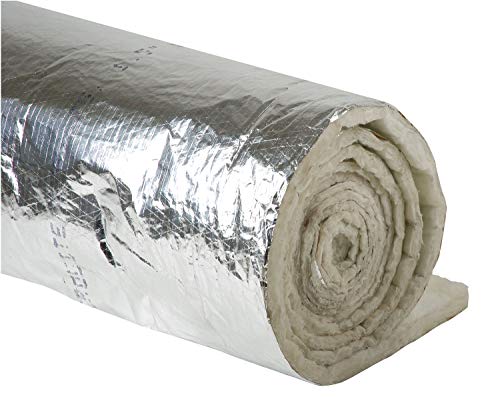
This Johns Manville duct insulation wrap is designed to wrap 1-1/2″ ducts with a foil-faced fiberglass construction. It meets multiple industry standards and a broad range of temperatures, supporting energy efficiency across various climates. The product provides a robust R-value, helping reduce thermal transfer and condensation on metal ducts, while offering durable protection for long-term ductwork performance.
SmartSHIELD -5mm Reflective Duct Insulation Roll

The SmartSHIELD roll from INSULATION MARKETPLACE is a 5 mm foam core reflective duct wrap with a pure aluminum facing, delivering a strong radiant barrier. Its vapor barrier properties help prevent condensation in humid environments, while additional sound-dampening capabilities reduce duct noise. The high reflectivity supports retention of indoor temperatures and can improve comfort in rooms affected by radiant heat.
48″ X 25ft Reflective Foil FRK Fiberglass Duct Insulation

This Trade Winds FRK duct wrap pairs glass fiber insulation with a foil facing and a factory-laminated vapor retarder. Its NFPA compatibility and energy code alignment support safer, code-compliant installations. The product helps prevent duct condensation and increases occupant thermal comfort by lowering surface temperatures on cold ducts and reducing heat gain on hot ducts.
US Energy Products R-8 Duct Wrap (4ft x 25ft)

This Trade Winds option provides a double-sided foam core insulation with a reflective outer layer. The 1/4 inch thickness yields an R-8 rating, and it’s rated Class 1 / Class A for fire safety. It’s designed for easy installation across larger duct runs and offers robust moisture resistance, contributing to long-term duct reliability in diverse building environments.
Buying Guide: Key Considerations For Duct Insulation
Selecting duct insulation requires balancing thermal performance, moisture management, fire safety, and installation practicality. Consider these perspectives to choose the best option for your project.
- Thermal Performance: Look for higher R-values per thickness to minimize energy loss. Foil-faced fiberglass and foam-core reflective wraps typically offer strong insulation performance, especially for attic and crawlspace ducts.
- Moisture and Condensation: Vapor retarders help prevent condensation when ducts run through humid or cooled spaces. A vapor barrier is especially important in basements and spaces with high humidity.
- Fire Safety: Fire ratings like Class 1 / Class A are important in return air paths and spaces with limited ventilation. Verify compliance with local building codes and NFPA standards.
- Installation Ease: Flexible wraps, self-adhesive facings, and pre-slit designs save time. Consider access in tight joist bays or between overlapping duct sections.
- Durability and Longevity: Materials should resist tearing during installation and exposure to temperature swings. Foil-faced wraps are generally durable, while foam-core options offer strong radiant barriers but may require careful installation to avoid gaps.
- Application Suitability: Some wraps are better for large-diameter ducts, while others excel on longer runs. Review the product width, length, and thickness to match your duct dimensions.
- Code Compliance: Ensure products meet applicable standards (NFPA 90A/90B, ASTM, CAN/ULC) and align with your local energy codes for duct systems.
Installation Tips And Best Practices
For effective results, prepare ducts by cleaning surfaces, ensuring a dry, dust-free area. Use appropriate fasteners or adhesive compatible with the chosen insulation. Overlap seams and seal joints to prevent air leaks. Avoid compressing foam cores excessively, which can reduce insulation performance. Wear basic protection as required by the product’s instructions, even when selecting “no gloves needed” options.
Performance Perspectives
Multiple perspectives influence the choice of duct insulation. In warmer climates, radiant barriers can dramatically reduce heat gain, while in colder climates, a higher-R wrap reduces heat loss from supply lines. Consider the duct location (attic, crawl space, garage) and airflow requirements, as poorly insulated ducts can contribute to uneven temperatures and higher energy consumption. For spaces with high humidity, vapor barriers help to prevent condensation and potential mold risks.