Sound control in vehicles combines noise reduction, heat insulation, and moisture resistance. The following selections offer varied thicknesses, materials, and installation styles to help you choose the best match for your car, truck, or SUV. Each option performs well at blocking road and engine noise while also managing heat transfer to improve comfort and fuel efficiency.
| Product | Brand | Approx. Coverage | Thickness | Key Benefit |
|---|---|---|---|---|
| Siless Liner 157 mil (4 mm) 36 sqft | Siless | 36 sqft | 4 mm | Excellent heat blocking, lightweight and waterproof |
| KILMAT 80 mil 36 sqft | KILMAT | 36 sqft | 80 mil (≈ 2 mm) | Self-adhesive, high-density butyl for strong damping |
| uxcell 394 mil 16.36 sqft | uxcell | 16.36 sqft | 394 mil (≈ 10 mm) | Excellent heat and sound reduction, heat shield finish |
| ALLWIN Car Heat Sound Deadening | ALLWIN | ≈10.8 sqft | 394 mil (≈ 10 mm) | Strong heat insulation and moisture resistance |
| BXI Double Noise Blocker Foam | BXI | ≈3.66 sqft | 1″ (≈ 25 mm) | Two-layer design for dual acoustic and thermal insulation |
Siless Liner 157 Mil Car Sound Deadening
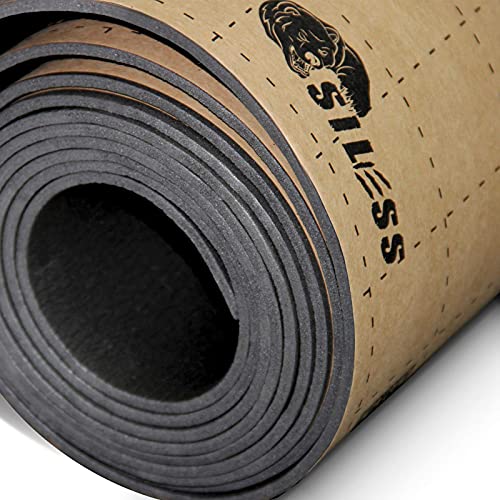
Siless Liner 157 mil (4 mm) is a closed-cell polyethylene foam with an adhesive layer. It provides a robust thermal barrier and vibration dampening, helping to block up to 98% of radiant heat transfer. The material is lightweight, waterproof, and flexible for easy installation, making it a popular choice for DIY car sound deadening projects. It’s designed to reduce engine, exhaust, and summer heat, contributing to a cooler cabin and improved comfort in both summer and winter conditions.
KILMAT 80 Mil Car Sound Deadening Mat

KILMAT 80 mil sheets are a self-adhesive butyl and foil solution for automotive sound deadening. The 80 mil thickness is designed to deliver noticeable improvements in vibration dampening and noise reduction, with a focus on DIY installation. The material’s added mass helps block a range of frequencies, and the adhesive backing simplifies application to complex shapes and curved panels. The result is a quieter cabin and reduced road noise without substantial installation effort.
uxcell 394 Mil 10mm Car Exhaust Muffler Insulation
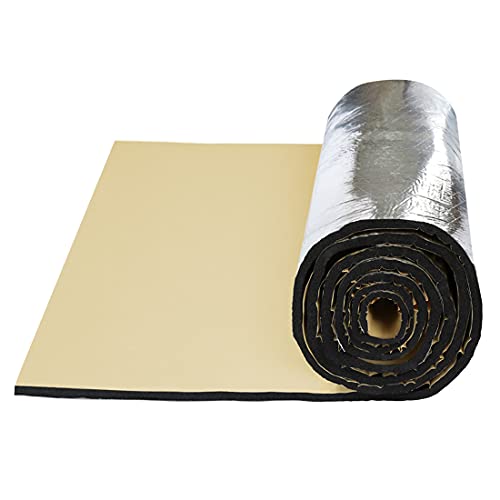
uxcell offers a 394 mil (10 mm) thick aluminum foil foam insulation pad suitable for hoods, fenders, and other engine bay areas. The dense foam provides high heat resistance and sound dampening properties. This product helps reduce heat transfer from the engine and exhaust to the cabin, potentially lowering cooling loads and contributing to overall vehicle efficiency, while also curtailing audible mechanical noises from under the hood.
ALLWIN Car Heat Sound Deadening Insulation Mat

ALLWIN’s insulation mat is a 394 mil (≈ 10 mm) thick solution designed for engine bays and panels. It blocks radiant heat effectively, supporting a cooler cabin in hot weather while helping to minimize vibration and noise inside the vehicle. The waterproof, closed-cell foam is easy to install and resists moisture, which is beneficial in areas prone to humidity or incidental water exposure.
BXI Double Noise Blocker Foam

BXI’s Double Noise Blocker Foam combines an egg crate absorption layer with a rubber soundproof layer. This dual-layer approach provides substantial sound dampening and additional thermal insulation, making it suitable for HVAC ducts, pipes, and other components where both noise and heat transfer are concerns. The panel’s design supports better control over reverberation in smaller spaces or equipment enclosures.
Buying Guide: Key Purchase Considerations
- Coverage vs. thickness: Heavier, thicker mats offer more dampening, but you may need multiple sheets for larger areas. Consider your vehicle’s specific noise sources and heat hotspots.
- Material composition: Butyl-based products deliver strong vibration damping, while closed-cell foams provide moisture resistance and insulation. Aluminum finishes add heat reflection benefits in hot climates.
- Adhesion and installation: Self-adhesive films simplify DIY projects, but some installations may require additional adhesive, rollers, or heat guns for best adhesion to curved surfaces.
- Moisture resistance: In humid or wet environments, waterproof or closed-cell foams reduce the risk of mold and odor and maintain insulation performance.
- Thermal management: For hot climates or if heat from the engine is a major concern, higher thickness and higher heat resistance materials can lower cabin temperatures and reduce A/C load.
- Durability and warranty: Look for products with durable coverings and clear manufacturer guidance on usage for automotive environments to ensure long-term performance.
- Application area: Engine bays, floors, doors, trunks, and wheel wells each have unique acoustic and thermal needs. Some products are better suited for multi-area use or specific parts of the car.
In summary, choosing a sound control insulation solution involves balancing thickness, material properties, ease of installation, and the intended application area. Lighter, adhesive foams work well for quick improvements, while thicker, dual-layer systems offer stronger attenuation for louder environments or repeated exposure to heat. Combining a couple of these products can deliver a comprehensive upgrade for comfort, efficiency, and quiet operation in modern vehicles.