Choosing the right media for a water softener can extend system life, improve regeneration efficiency, and keep plumbing free from scale. This guide focuses on five reliable options commonly used in residential and light commercial setups, including resin beads for ion exchange and bed media like garnet for filtration. Each product below is linked for quick reference and highlights specific advantages to help you compare compatibility with your system.
Summary of Selected Products
| Product | Brand | Type | Notes |
|---|---|---|---|
| Purolite C-100E Cationic Resin Replacement for Water Softener | DuraWater | Cation exchange resin | Efficient regeneration, good kinetic performance, low extractables |
| Superior Filters Premium Water Softener Resin | Superior Filters | Cation exchange resin | High capacity, 7% cross-link for durability |
| Brio Water Softner Resin Refill | Brio | Cation exchange resin | 10% cross-linked DVB; NSF/ANSI 44 certified |
| Purolite An Ecolab Company C100E Water Softener Resin | PUROLITE | Cation exchange resin | Softening resin for potable water |
| IPW Industries Water Softener Gravel | IPW Industries Inc | Garnet filter bed media | Backwashing support; extends filtration bed life |
Purolite C-100E Cationic Resin Replacement Overview

The Purolite C-100E resin is designed for efficient ion exchange in water softening systems. It is tailored for effective regeneration cycles and exhibits good kinetic performance, enabling strong hardness removal with lower downtime between regenerations. Low extractables help minimize contaminants that could affect treated water quality. This resin is suitable for residential to small commercial softeners that require reliable performance with standard backwash and regeneration programs.
Superior Filters Premium Resin For Water Softeners
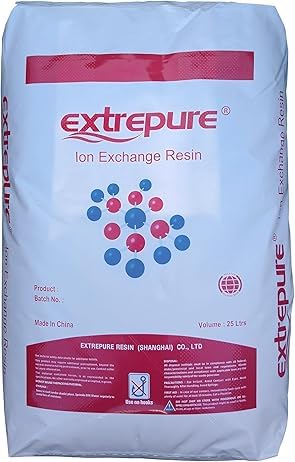
This premium resin features a high-capacity ion exchange formulation with a 7% cross-link structure. The resin is designed for rapid ion exchange and robustness across a broad pH range, suitable for homes, small businesses, and light industrial setups. Its durable beads help minimize channeling and provide consistent performance. Proper installation with a compatible brine tank and resin bed ensures optimal long-term operation.
Brio Water Softner Resin Refill
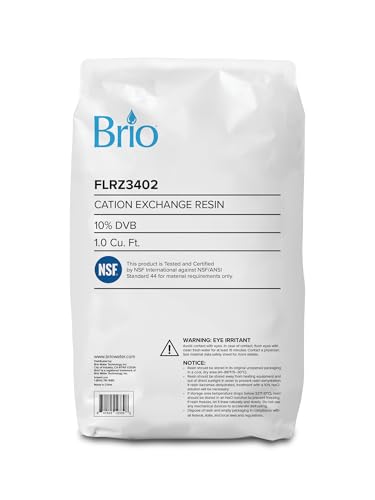
The Brio resin refill uses 10% cross-linked DVB media, offering robust resistance to chlorine oxidation and a high capacity rating of around 48,000 grains before regeneration. It is NSF/ANSI certified for performance and aligns with FDA standards for potable water applications. This resin is geared toward households facing high chlorine conditions or challenging mineral profiles, helping protect appliances and improve perceived water softness.
Purolite An Ecolab Company C100E Resin

The Purolite An Ecolab C100E resin is a dedicated water softener resin for potable water. It emphasizes effective softening with a focus on reliability and compatibility with standard resin beds. This option is well-suited for upgrades in older systems or new installations where dependable resin performance is essential for consistent hardness removal and regeneration efficiency.
IPW Garnet Filter Bed Media For Backwashing Tanks
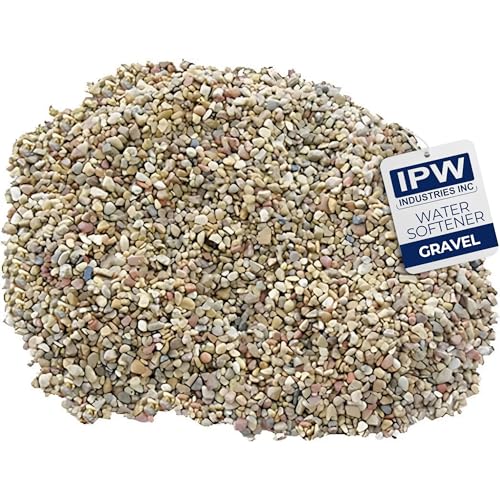
IPW garnet filter bed media is a pure filtration-grade garnet designed as a support bed for backwashing tanks in filtration and softening systems. Garnet provides stability for sand or carbon layers, improving the effectiveness and longevity of the sleeping media. It helps maintain uniform flow and reduces channeling, supporting a clearer overall treated water profile.
Buying Guide: Key Purchase Considerations
- Resin type and cross-link density: Higher cross-link percentages (like 7% or 10%) generally improve chemical resistance and lifespan, but may affect initial ion exchange rate. Match resin type to your water profile and regeneration strategy.
- Grain capacity and regeneration requirements: Look at grain capacity ratings to estimate how often the resin will need regeneration. Larger homes or higher hardness levels typically demand higher capacity resins.
- Chlorine and oxidant tolerance: In areas with chlorinated water, consider resins with enhanced chlorine resistance (e.g., DVB cross-linked resins) to extend bed life and reduce fouling.
- Compatibility with existing systems: Confirm bed depth, tank diameter, and brine line compatibility before replacing media. Some resins require adjustments to brine draw or rinse cycles.
- Certification and safety: NSF/ANSI certifications indicate compliance with industry standards for potable water applications. This is especially important for residential use where water quality impacts daily life.
- Bed media vs resin beads: Filtration bed media like garnet is used as a support layer in backwashed tanks and is not a direct substitute for resin beads. Ensure you choose the right component for your system’s configuration.
- Installation and maintenance: Some products recommend specific installation practices (e.g., using a funnel for easy filling or recommended pre-soak procedures). Follow manufacturer guidelines for optimal performance.
- System goals: If your priority is reducing scale buildup and extending appliance life, high-capacity resins with strong ion exchange performance are preferable. For filtration-focused beds, garnet media helps stabilize the bed and improve backwash efficiency.
- Water testing: A baseline water test for hardness, iron, manganese, pH, and chlorine helps tailor media choice and regeneration settings for best results.
Choosing the right media for your water softener involves balancing resin performance, chemical resistance, and system compatibility. The options above provide a spectrum of resin beads and bed media designed to address common hard-water challenges while maintaining system efficiency and longevity. When in doubt, consult your equipment manufacturer or a licensed water treatment professional to confirm the best match for your home or business.