Finding a pellet stove that fits a basement layout involves assessing heat output, hopper capacity, WiFi or smart features, and ease of maintenance. The following selections are designed to deliver reliable warmth in basements, with options spanning mid-sized rooms to larger spaces, and featuring modern controls for convenience and energy efficiency. Each option comes with key specs to help you compare performance, installation needs, and potential tax credits or warranties.
| Product | Brand | Hopper Capacity | Heat Range | Smart Features |
|---|---|---|---|---|
| Castle 41278 Serenity Pellet Stove | Castle Pellet Stoves | 40 lb | Heating up to ~1500 sq ft | Thermostat, Weekly and Eco modes |
| Cleveland Iron Works Bayfront Pellet Stove | Cleveland Iron Works | 66 lb | 1800–2500 sq ft | Built-in WiFi |
| Canyon Lodge Large Pellet Stove | Canyon Lodge | 130 lb | 2000–3000 sq ft | Built-in WiFi |
| Cleveland Iron Works Medium Pellet Stove | Cleveland Iron Works | 60 lb | 1500–2200 sq ft | Built-in WiFi |
| Freedom Stoves Pellet Stove: Independence PS21 | Pellethead | — | 800–1800 sq ft | Battery backup, Wi-Fi |
Castle Serenity Pellet Stove With Smart Modes
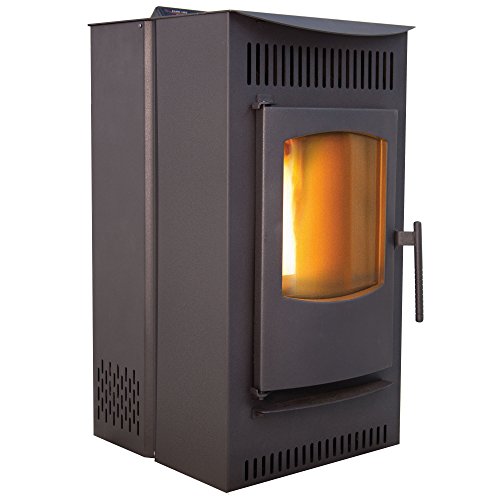
The Castle Serenity 41278 is designed for reliable basement heating with a modest footprint and easy maintenance. It features a 40-pound hopper for longer burn times between fills and a user-friendly control suite that includes manual operation, a thermostat setting, a weekly programming option, and an eco mode. The eco setting allows the stove to cycle on and off to maintain a comfortable room temperature while conserving energy. With clean lines and a simple clean design, this stove is suitable for basements where space-saving and straightforward operation matter most.
Key attributes include: an “easy to clean” design without tubes or hidden chambers, a compact form suitable for basement corners, and multiple operating modes designed to fit a homeowner’s schedule. For basements needing steady warmth without complicated setup, the Serenity offers predictable performance with gradual heat delivery. It also supports off-season energy efficiency by reducing unnecessary runtime when the space doesn’t require constant heat.
Cleveland Iron Works Bayfront Pellet Stove
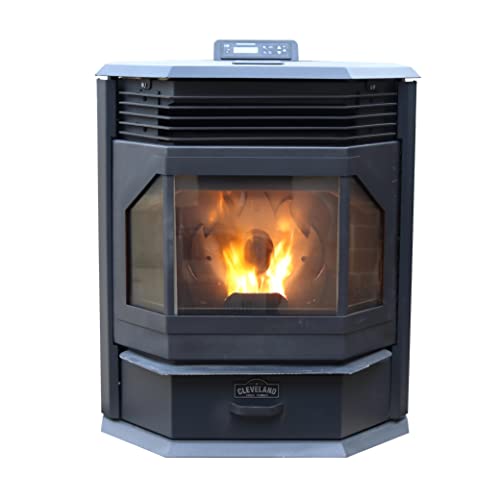
The Bayfront model from Cleveland Iron Works offers robust basement heating with a larger hopper, rated at 66 pounds. It is designed to heat expansive spaces, boasting a heat range suitable for basements up to roughly 2500 square feet. An attractive feature is built-in WiFi for smart-home integration, allowing convenient monitoring and control via a connected device. The unit is positioned as EPA-friendly and efficient, with tax credit eligibility noted in the product’s marketing materials, which may align with available local incentives.
Considerations include the need for adequate venting and a larger footprint due to the higher hopper capacity. The Bayfront targets households seeking stronger and more centralized heating, especially in multi-level basements or open-plan lower floors. The Smart Home capability offers remote adjustments, potential energy savings, and consistent warmth coverage during cold months.
Canyon Lodge Large Pellet Stove For Large Basements

Designed for larger basements, the Canyon Lodge Large Pellet Stove heats 2,000–3,000 square feet and uses a substantial 130-pound hopper for extended burn times between fills. This model includes built-in WiFi for smart-home control, enabling remote temperature management and status monitoring. The unit is positioned to support spacious, multi-room basement layouts where steady, long-duration heating is required during the cold season.
Pros include the potential to qualify for a 30% IRS Biomass Stove Tax Credit, helping offset installation costs. While installation requires appropriate venting and space, the Canyon Lodge’s large heating range makes it a strong option for properties that demand consistent warmth across open-concept basement areas, workshops, or finished basements that double as living spaces.
Cleveland Iron Works Medium Pellet Stove

The Cleveland Iron Works Medium Pellet Stove balances heat and size for basement spaces that do not require the largest unit. With a 60-pound hopper and WiFi connectivity, it provides convenient control and monitoring. This model heats roughly 1,500 to 2,200 square feet, making it suitable for mid-sized basements or open-concept lower levels. The wireless integration enables control through compatible devices, contributing to energy management and user convenience during winter months.
Key considerations include ensuring proper ventilation and duct layout to maximize heat distribution. The inclusion of smart features supports routine maintenance and temperature consistency, helping to reduce energy waste in rooms that experience varying occupancy or seasonal usage.
Freedom Stoves Independence PS21 Pellet Stove

The Independence PS21 by Freedom Stoves (Pellethead) offers versatility with a freestanding design that suits basement layouts looking for a flexible heating solution. It delivers up to 34,700 BTUs, which supports 800 to 1800 square feet, and includes a 24V DC battery backup for over 40 hours of runtime at low draw. The stove is EPA-certified for safe operation and includes a 5-year warranty, emphasizing long-term reliability. The battery backup is a notable feature for basements prone to power interruptions, ensuring continued warmth during outages.
Additional considerations include ensuring ventilation and electrical compatibility for the battery backup system. The unit’s robust build and warranty support make it a compelling option for basements with variable occupancy and the need for dependable heat during prolonged winter periods.
Buying Guide: Pellet Stoves For Basement Use
- Heat output and space size: Match the stove’s square footage recommendation with your basement’s layout. Larger basements may need models with higher BTU outputs or bigger hopper capacities for longer burn times.
- Hopper size and maintenance: A larger hopper reduces refill frequency but may require more space and heavier handling. Consider your typical usage patterns and whether you value fewer refills over ease of loading.
- Ventilation requirements: Pellet stoves require proper venting to the outdoors. Check local codes and ensure the chosen model supports your installation environment.
- Smart features and connectivity: WiFi-enabled stoves offer remote monitoring and temperature control, which can improve energy efficiency and comfort in basements with variable occupancy.
- Tax credits and incentives: Some models qualify for energy tax credits or rebates. Verify eligibility based on your location and current policies.
- Power backup considerations: In basements prone to outages, battery backups can maintain heat during power interruptions, enhancing reliability.
- Ventless vs vented: Most pellet stoves require venting. Avoid models advertised as ventless for basements, since proper air handling and safety standards apply to enclosed spaces.
- Installation space and clearances: Ensure adequate clearance around the unit for safe operation, maintenance access, and dust management in basement environments.
- Maintenance and cleaning: Choose stoves with straightforward cleaning processes and accessible ash pans to minimize upkeep and downtime.
- Warranty and service: Consider brands with robust warranties and local service networks to support long-term performance in basement installations.