Best Pellet Stove for Garage Heating: Top Picks and Buying Guide
When choosing a pellet stove for a garage, you want reliable heat, safe venting, and smart features that fit a workspace. The following selections emphasize audio-visual visibility, efficient heat output, and easy maintenance to keep your garage warm during cold months. Below you’ll find five top options, along with practical buying considerations to help you compare performance, efficiency, and installation needs for a workshop, hobby space, or vehicle bay.
Summary of chosen products:
| Product | Brand | Approx. Heating Area | Key Features |
|---|---|---|---|
| Serenity Pellet Stove | Castle Pellet Stoves | Up to 1,500 sq ft | Manual, thermostat, weekly and eco modes; easy to clean |
| Bayfront Pellet Stove | Cleveland Iron Works | 1,800–2,500 sq ft | Built-in WiFi; EPA tax credit eligible |
| Medium Pellet Stove | Cleveland Iron Works | 1,500–2,200 sq ft | WiFi; EPA tax credit; compact footprint |
| Canyon Lodge Large Pellet Stove | Canyon Lodge | 2,000–3,000 sq ft | Smart Home WiFi; tax credit eligible |
| HP22 Pellet Stove | Comfortbilt | Up to 2,800 sq ft | High heat output; large viewing area; not ventless |
Castle Serenity Pellet Stove — 1,500 Sq Ft
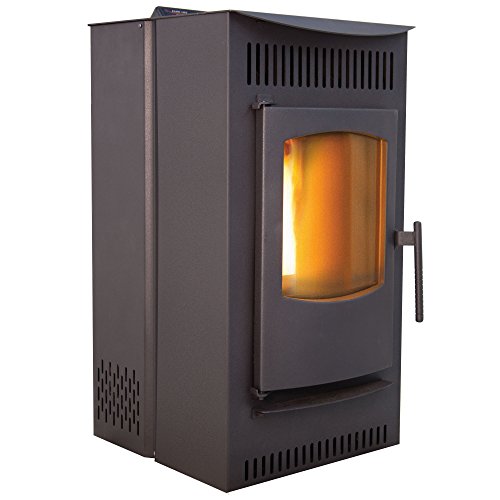
The Serenity model from Castle Pellet Stoves offers a straightforward heating solution with multiple operating modes. It supports manual, thermostat, weekly, and Eco modes to tailor heat delivery to a garage schedule. Eco mode can toggle heat on and off to maintain a chosen temperature, helping conserve fuel. The design emphasizes ease of cleaning, with no tubes or hidden chambers to complicate maintenance. This stove is sized to effectively heat spaces near 1,500 square feet, making it a solid fit for many garage layouts.
Cleveland Iron Works Bayfront Pellet Stove
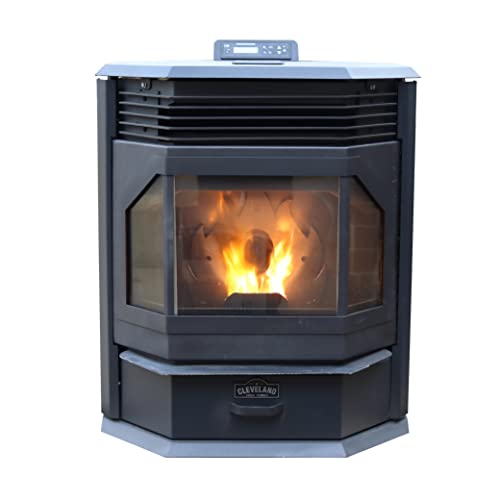
The Bayfront model from Cleveland Iron Works is designed for larger spaces, heating roughly 1,800 to 2,500 square feet. It qualifies for EPA tax credit savings, depending on eligibility. Built-in WiFi enables smart home integration and remote monitoring. This unit blends robust heat output with modern connectivity, supporting garages or workshops that demand steady warmth during cold workdays.
Cleveland Iron Works Medium Pellet Stove

This medium unit balances footprint and performance, heating roughly 1,500 to 2,200 square feet. It includes built-in WiFi for remote control and monitoring, and—like the Bayfront—qualifies for EPA tax credits in eligible scenarios. Its heat output is well-suited to standard garages or workshops that require consistent warmth without overloading the space.
Canyon Lodge Large Pellet Stove

The Canyon Lodge Large model is designed to heat larger spaces, covering approximately 2,000 to 3,000 square feet. It includes built-in WiFi for smart home integration and qualifies for the 30% IRS Biomass Stove Tax Credit. For garages that double as workrooms, its higher BTU output can maintain comfortable temperatures even during the coldest months, while its smart features streamline operation and maintenance.
Comfortbilt HP22 Pellet Stove
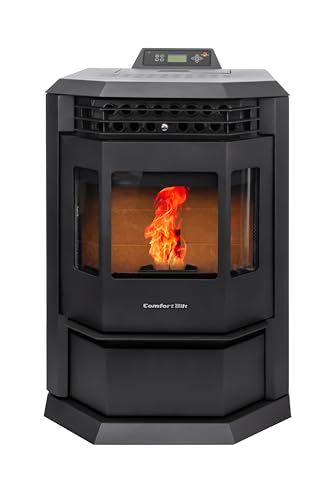
The HP22 from Comfortbilt provides substantial heating capacity up to 2,800 square feet with a 55-pound hopper. It requires proper ventilation and includes a sizeable viewing area for monitoring the flame. This model is suitable for larger garages or hobby spaces that require reliable heat output, with a focus on strong performance and straightforward maintenance.
PelPro PP150 Pellet Stove

The PelPro PP150 offers high efficiency and robust heating, capable of warming up to 2,500 square feet. It features a 150-pound hopper, built-in thermostat with auto-ignition, and a powerful 265 CFM blower for rapid heat distribution. While this option is included for context, the 150 may be suitable for garages that need sustained warmth and fuel-like efficiency, especially in larger or draftier spaces.
Buying Guide: Key Considerations For Garage Pellet Stoves
Heat output and space: Match the stove’s heating capacity (BTU or square footage) to your garage size. Garages typically need steadier warmth with air drafts and volume considerations. Look for models rated in 1,500–3,000+ square feet if your space is large or has high ceilings.
Ventilation requirements: Most pellet stoves require appropriate venting to exhaust byproducts. Assess existing chimney or venting options, or plan for vent installation. Do not run a pellet stove in an unvented or improperly vented space.
Smart features and connectivity: Built-in WiFi, thermostats, and smart controls help manage heat more efficiently, especially in spaces with variable usage. Smart controls can reduce fuel waste and maintenance time.
Tax credits and efficiency: Many models qualify for EPA tax credits or incentives. Efficiency ratings influence fuel economy and long-term operating costs. Check eligibility in your area and understand any caps or exclusions.
Maintenance and ease of cleaning: Choose designs with straightforward cleaning and minimal hidden tubes or chambers. Ease of access reduces downtime and upkeep, which is helpful for workshop spaces.
Fuel and installation considerations: Pellet stoves require appropriate pellet fuel quality, hopper capacity, and sometimes a dedicated electrical line. Assess how often you’ll load fuel, and whether a larger hopper suits your maintenance cadence.
Safety and clearances: Ensure proper clearance from combustible materials. Follow manufacturer guidelines for clearances, ash disposal, and carbon monoxide detectors as part of safe operation in a garage.
Budget and tax incentives: Weigh upfront costs against long-term fuel savings and possible tax credits. Consider warranty terms and parts availability for your model choice.