Choosing a pellet stove for a small cabin means balancing compact size with efficiency, reliability, and ease of use. The following hand-picked options emphasize heat output suited to smaller living spaces, smart controls, and simple maintenance. Each product is evaluated for how well it fits cabin living, including heat retention, hopper size, cleaning access, and optional smart features.
Summary Table
| Product | Brand | Notable Feature | Approximate Coverage |
|---|---|---|---|
| GREEN STOVE Hori 5 Pellet Stove | GREEN STOVE | U-Construction heat retention, included chimney pipes | Moderate to large cabin areas |
| Castle Serenity Pellet Stove | Castle Pellet Stoves | Smart controller, multiple operating modes | Small to mid-sized spaces |
| Comfortbilt HP50S | Comfortbilt | Compact design, high heat output, 47 lb hopper | Small to medium living areas |
| Cleveland Iron Works Medium | Cleveland Iron Works | Built-in WiFi, EPA tax credit eligible | Mid-sized cabins |
| Canyon Lodge Large Pellet Stove | Canyon Lodge | Smart home ready, wide heating range | Medium to larger cabins |
Below are five top options that align with small-cabin heating needs, focusing on compact footprint, reliable heat, and practical controls. Each entry includes a brief overview, key features, and considerations for installation and operation in cabin environments.
GREEN STOVE Hori 5 Pellet Stove With Oven

The GREEN STOVE Hori 5 Pellet Stove combines a compact footprint with a high-heat design, featuring a U-shaped internal chamber that slows heat loss and increases chamber temperature. The stove ships with a complete setup including the body, multiple chimney sections, regulating tubes, and a spark arrestor. A standout is the large pellet box, enabling longer burn times between refills (roughly 5–10 hours with a full load). Its stainless steel construction supports durability for outdoor or semi-outdoor cabin use, and the integrated design broadens potential placement options within a small cabin.
Key considerations for cabins include proper ventilation, chimney routing, and ensuring the stove’s height and clearance meet local code requirements. The included chimney components simplify initial installation, while the oven feature adds versatility for cooking during cold trips. Regular cleaning and ash removal help maintain peak efficiency in tight spaces.
Castle Serenity Pellet Stove
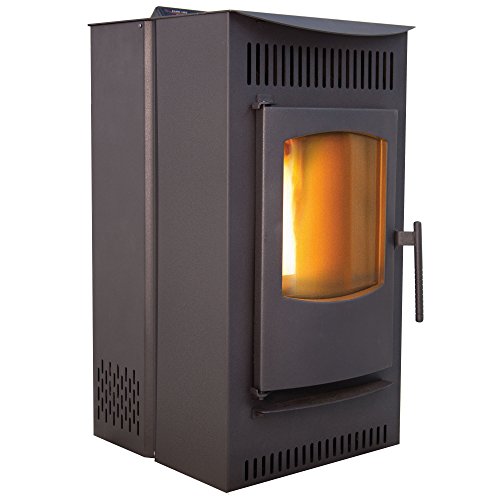
The Castle Serenity offers straightforward operation with a focus on reliability for steady cabin warmth. Its design emphasizes ease of cleaning, eliminating tubes and convoluted pathways that can complic maintenance. The stove includes manual, thermostat, weekly, and Eco operating modes, allowing you to tailor heat delivery to daily schedules and occupancy. Eco mode helps conserve fuel by cycling on and off to maintain a set temperature, which can be advantageous for small cabins where precise temperature control matters.
For small cabins, consider how this stove’s heat distribution aligns with your living space layout. The absence of complex internal channels can simplify cleaning but may require more attentive placement to maximize heat coverage. Ducting or fans can further enhance warmth in corner areas or loft sleeping zones while keeping noise levels reasonable.
Comfortbilt HP50S Small Wood Pellet Stove

The HP50S from Comfortbilt is designed for compact spaces yet delivers robust heating. With a 47 lb hopper and a compact footprint, this stove aims to maximize burn time and heat output per load, making it a strong option for small cabins that require reliable all-day warmth. EPA and CSA certification indicate compliance with emissions standards, and the unit’s heat exchanger design and built-in blower help push warm air efficiently throughout a cozy room.
Install considerations for cabins include ensuring adequate ventilation, especially in tightly sealed spaces. Proper clearances from walls and furniture, plus a clean ash pan, help maintain safe operation. The HP50S’s efficiency benefits come from the integrated blower system, which supports quicker warming of space, but you’ll want to balance noise with comfort in living areas adjacent to bedrooms or study nooks.
Cleveland Iron Works Medium Pellet Stove

The Cleveland Iron Works Medium model emphasizes modern smart features and energy efficiency. It includes built-in WiFi for remote monitoring and control, helping to manage cabin heating from a distance. The stove heats roughly 1500–2200 sq ft, which makes it adaptable for many small-to-mid-sized cabins. The potential 30% EPA tax credit can improve ownership economics in regions with applicable incentives, subject to eligibility and local tax rules.
When evaluating for a small cabin, consider how the WiFi connectivity integrates with your home network and whether you want remote operation during weekends away. Ensure the stove location allows for proper venting and clearance and that the system’s electrical requirements align with your cabin setup, especially if power supply is limited during off-grid trips.
Canyon Lodge Large Pellet Stove

The Canyon Lodge Large Pellet Stove is pitched for larger cabins or spaces needing several zones of warmth. With built-in WiFi and a heat range suitable for 2000–3000 sq ft, this model can serve as a central heating solution in mid-sized cabins. Its qualified status for a 30% tax credit may enhance cost savings, depending on region and program rules. The broader heating capacity makes it a versatile choice for cabins with open floor plans where heat flow is critical.
Key installation considerations include ensuring a clear line for exhaust and adequate space around the unit for safe maintenance. The optional smart features can help sequence heating with occupancy patterns or integrate with home automation, providing both convenience and energy control in a cabin setting.
Buying Guide: Key Purchase Considerations For Small Cabins
- Heat Output Versus Space: Small cabins often require precise heat management. Look for models rated for the square footage you need, and consider heat distribution features such as efficient blowers or heat exchangers.
- Fuel Storage and Availability: Hopper size determines how often you refill. Larger hoppers reduce refilling frequency but may increase the unit’s footprint. Plan according to your typical occupancy and usage patterns.
- Ventilation And Venting: Ensure you have proper chimney routing and clearance to walls and ceilings. Some units include chimney pipes and regulators; others may require additional fittings or professional installation.
- Emissions Compliance: EPA or CSA certifications indicate compliance with emissions standards, which can be important for both environmental impact and potential tax credits.
- Smart Features And Connectivity: WiFi control or smart thermostats enable remote management, which is valuable for cabins that are not always occupied. Check compatibility with your existing network and ease of use.
- Maintenance Access: In tight cabins, easy access to the burn pot, ash pan, and cleaning paths reduces maintenance time and keeps the stove running efficiently.
- Installation Flexibility: Consider models with versatile placement options, including corner fits or semi-outdoor mounting if your cabin has a drafty entryway or covered porch where heating load is shared.
- Energy Efficiency And Tax Credits: Some models qualify for tax credits or incentives. Verify eligibility based on your location and the stove’s specifications.