Choosing a programmable thermostat for a wall heater can help optimize comfort and energy savings. The following selections highlight models that support single-stage heating, offer clear displays, and provide flexible scheduling. This guide compares features, compatibility, and user considerations to help American homeowners pick the right thermostat for their heating system.
| Product | Brand | Type | Key Feature |
|---|---|---|---|
| Honeywell Home RTH7600D | Honeywell Home | 7-Day Programmable Touchscreen | Large touchscreen, home/away temp save |
| Honeywell Home RTH2300B1038 | Honeywell Home | 5-2 Day Programmable | Weekday/weekend programs, precise +/-1°F |
| New! Honeywell Home RTH20B | Honeywell Home | 1 Heat/1 Cool, 5-2 Day Schedule | Direct replacement options, clear display |
| Heagstat H705 5-1-1 Day | Heagstat | Programmable, 5-1-1 | Separate weekday/weekend programs |
| Honeywell TL8230A1003 | Honeywell | Line Volt, 7 Day | 208/240V, precision control |
Below, five models are explored for compatibility with wall heaters and single-stage systems, addressing display readability, programming options, and energy-savings potential. Each section highlights how the thermostat addresses typical American home heating needs, from daily schedules to hold settings during absences.
Honeywell Home RTH20B: Simple 5-2 Day Programmable

The RTH20B offers a straightforward 5-2 day schedule with 1 Heat/1 Cool compatibility, making it a practical upgrade for wall heater setups that require reliable, uncomplicated programming. It replaces older Honeywell models like the RTH2300, providing a larger display and easy-to-read font to reduce misadjustments during daily use. Customization options include change air filter reminders and adjustable display settings, helping homeowners tailor the thermostat’s interface to their preferences. This model focuses on dependable scheduling rather than advanced features, which suits many households seeking simplicity and energy awareness.
Honeywell Home RTH7600D 7-Day Programmable

The RTH7600D features a seven-day programmable schedule with a touchscreen interface designed to simplify daily adjustments. Its Home/Away temperature management supports energy savings when occupants are not home. The option to set temporary or permanent holds helps with extended absences, while the user-friendly menu guides setup for different routines. For wall heater users, the RTH7600D offers robust programming without overwhelming technical requirements, making it a balanced choice for homes prioritizing comfort and efficiency.
Honeywell Home RTH2300B1038 5-2 Day
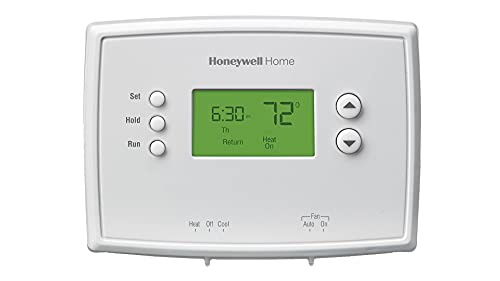
The RTH2300B1038 provides traditional 5-2 day scheduling with four daily periods—wake, leave, arrive, and sleep. It emphasizes precise temperature control with a narrow +/- 1°F range, aiding consistent comfort. The backlit digital display ensures visibility in dim lighting, which is helpful for nocturnal thermostat adjustments. This model remains a reliable choice for users who prioritize familiar programming patterns and straightforward operation in a wall heater setup.
Heagstat H705 5-1-1 Day Programmable

The Heagstat H705 supports 5-1-1 day programming with separate weekday and weekend schedules across four daily periods (wake, leave, return, sleep). It is designed for conventional single-stage systems up to 1 heat and 1 cool. The model is suitable for basic wall heater setups where reliability and clear scheduling are essential. It also notes system compatibility limits—critical for homeowners upgrading from older, incompatible thermostats and ensuring it matches existing wiring configurations.
Honeywell TL8230A1003 Line Volt 7 Day
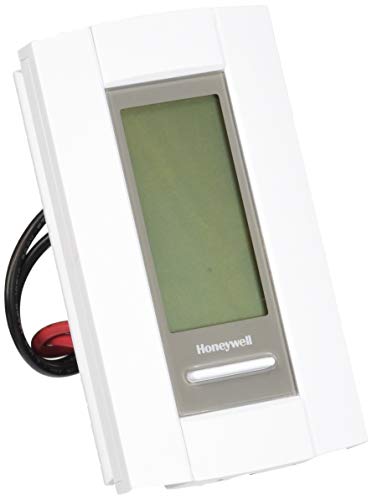
The TL8230A1003 line-voltage thermostat is designed for 208/240V systems with seven-day programming. It supports a full schedule with four periods per day and emphasizes energy saving through precise control and longer heating cycles of up to 15 minutes. Built for line-voltage configurations, it is appropriate for certain baseboard or wall heater installations where higher voltage control is required. Its battery-free operation and quiet behavior appeal to users seeking low-maintenance solutions with reliable performance.
Buying Guide
When selecting a programmable thermostat for a wall heater, consider compatibility, programming flexibility, display readability, and energy-saving features. The following factors help frame a balanced decision:
- System compatibility: Confirm single-stage vs. multi-stage support and line-voltage vs. low-voltage configurations. Wall heaters often operate on single-stage heat, so models labeled for 1H/1C or line voltage 208/240V should align with the system.
- Programming options: 5-2 or 7-day schedules offer different levels of granularity. Consider how often you adjust routines for weekdays and weekends, and whether you need four daily periods (wake, leave, return, sleep) or more.
- Display and usability: A large backlit or touchscreen display reduces misadjustments, especially in low-light areas. Font clarity and intuitive menus help users quickly set temperatures and schedules.
- Hold and temporary hold features: Look for temporary holds during absences or permanent holds for ongoing vacations. These features prevent unnecessary reprogramming when plans change.
- Reliability and installation: Some thermostats require professional wiring, particularly line-voltage devices. Check existing wiring compatibility (2-5 wires typically) and ensure the base or wall plate will fit your mounting space.
- Energy-savings potential: Temperature swing allowances (±1°F, ±2°F) and scheduling accuracy influence savings. A well-tuned thermostat reduces overheating and cooling cycles in off-peak hours.
- Future-proofing: If you anticipate upgrading to smart, Wi-Fi-connected thermostats later, consider whether your current thermostat supports such enhancements or if a straightforward programmable model better suits your needs now.
In sum, the Honeywell and Heagstat options provide dependable programming with accessible displays, while the TL8230A1003 line-voltage model serves specialized high-volt installations. For households prioritizing simple daily routines, the 5-2 day models offer familiar scheduling patterns and strong energy-conscious features. For comprehensive week-long customization, the 7-day touchscreen models present a more modern experience without sacrificing control.