Propane heaters offer portable, reliable warmth for construction sites, garages, and outdoor work. This guide reviews five top models, highlighting BTU output, coverage area, safety features, and practical setup. Whether you need steady heat during long winter projects or quick warmth for a cold job site, these heaters provide options that operate without electricity or with minimal power needs. The following selections balance power, safety, and portability to help you choose the right heater for your workspace.
Summary of Selected Products
- Mr. Heater MH25CVX: 25,000 BTU convection heater, up to 625 sq ft, runs on a 20 lb cylinder
- InoKraft MaXheat MH68: 30,000–68,000 BTU, up to 1600 sq ft, forced air
- Habitio 125,000 BTU: 75,000–125,000 BTU range, up to 3125 sq ft, heavy-duty
- Dyna-Glo RMC-LPC200DG: 50,000–200,000 BTU convection, up to 4700 sq ft
- InoKraft Maxheat MH125: 125,000 BTU, up to 3200 sq ft, auto on/off control
Mr. Heater 25,000 BTU Convection Heater
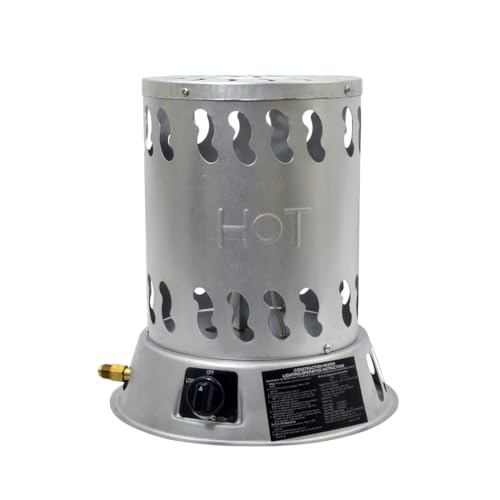
The Mr. Heater MH25CVX provides 25,000 BTUs per hour and heats roughly 625 square feet. It is designed for garages, workshops, and outdoor work areas, delivering reliable warmth without relying on electricity. A standing pilot and thermo-electric safety valve help prevent gas leaks if the flame goes out. The heater includes a 10-foot hose, regulator, and P.O.L. connection, enabling quick setup. A Piezo ignition start offers instant warmth with a simple push, making it a practical option for temporary job-site heating.
Key considerations: CSA certification supports safety standards, and the unit’s ability to operate without electricity helps ensure heat when power is unavailable. Coverage is well-suited for typical garage-sized spaces or smaller workshops, making this model a solid entry point for contractors who need dependable warmth on demand.
InoKraft MaXheat MH68 Propane Heater

The InoKraft MaXheat MH68 delivers a broad output range of 30,000 to 68,000 BTUs, heating up to 1,600 square feet. This portable forced-air heater is designed for garages, shops, and construction sites, with rapid warming in about ten minutes. It features adjustable heat angles for versatile placement and a multi-protection safety system that includes overheat and auto-cut-off protections. CSA-certified operation emphasizes safe use in ventilated spaces, while the design emphasizes quieter performance for work environments.
Considerations: The wide BTU range makes it adaptable from small to larger areas, and the 10-foot hose provides flexibility in layout. Users should ensure proper ventilation to maintain air quality and to maximize fuel efficiency in longer sessions.
Habitio 125,000 BTU Forced Air Heater
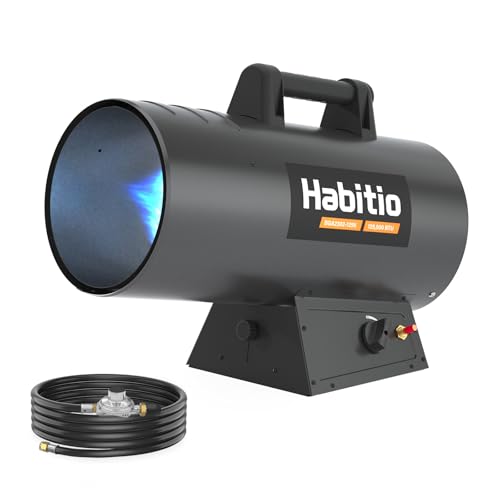
Habitio offers a powerful option with 75,000 to 125,000 BTUs and coverage up to 3,125 square feet. This heavy-duty forced-air heater is ideal for large job sites, construction yards, or expansive shops. It uses pulse ignition for a reliable start-up and includes safety features like overheat protection and auto shut-off during power outages. A 10-foot hose and regulator are included, supporting convenient setup on site. While quiet operation is noted, users should prepare for higher noise levels common to high-capacity torpedo heaters.
Strengths and cautions: Its high heating capacity makes it suitable for large spaces, but the unit’s power requirements and heat output demand adequate ventilation and fuel management. CSA certification adds a layer of safety assurance for prolonged use in busy work environments.
Dyna-Glo RMC-LPC200DG 50K-200K BTU Heater
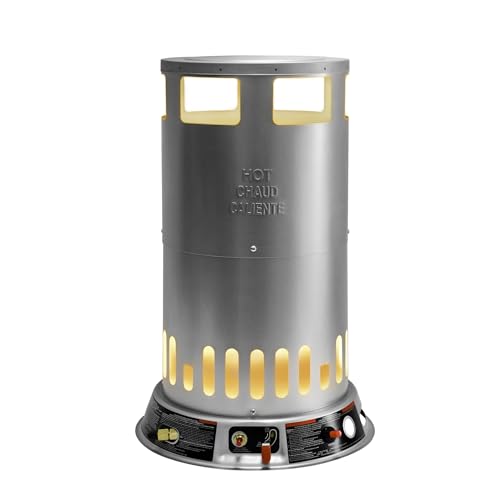
The Dyna-Glo LPC200DG provides a broad 50,000 to 200,000 BTUs with the ability to heat up to 4,700 square feet. This convection heater is suited for large outdoor or indoor construction spaces that require sustained warmth. Its expansive BTU range supports varying heat requirements as projects progress. With proper ventilation, it can be used in both enclosed and semi-open environments, making it versatile for job sites that double as interim workspaces or storage areas.
Operational notes: The high BTU range paired with a convection design emphasizes air distribution across larger areas. Safety considerations include ensuring adequate ventilation and monitoring fuel levels for continuous operation, especially during extended shifts.
InoKraft Maxheat MH125 Propane Heater

The InoKraft Maxheat MH125 offers 125,000 BTUs with coverage up to 3,200 square feet, making it suitable for large garages, job sites, and commercial spaces. It features auto 25-95°F on/off control to balance comfort and energy use. Fast heating is driven by a heavy-duty forced-air fan, and the unit includes a CSA certification and multi-protection safety features to reduce the risk of leaks or overheating. A 10-foot hose supports flexible placement and safer clearance around work zones.
Design notes: Automatic on/off control adds convenience for temporary or intermittent use, while the strong airflow supports rapid space heating. As with other high-capacity units, sufficient ventilation and fuel logistics are essential for safe, sustained operation.
Remington LP Forced Air Heater

The Remington LP heater provides 60,000 BTUs of forced air heat, capable of warming spaces up to 1,500 square feet. It features tough steel construction, making it durable for rough job-site conditions, with a relatively light weight for portability. Adjustable heat settings and height customization help tailor warmth to various tasks. Built-in safety elements include a thermocouple, high-temperature limit shut-off, and flame-out fuel cut-off, delivering peace of mind during demanding projects.
Practical considerations: The unit’s portability supports frequent relocation across a site, while the safety features contribute to dependable operation. The size range makes it suitable for mid-sized spaces such as workshops, barns, or smaller construction zones.
Dura Heat LPC80 50-80K BTU Convection Heater

The Dura Heat LPC80 offers 50,000 to 80,000 BTUs with 360-degree convection heat distribution, supporting up to 1,900 square feet. It runs on LP gas and does not require electricity for operation, which is valuable during power outages or remote sites. A simple Piezo igniter and long-running capability up to 17 hours on a 40-pound cylinder make it a practical dependability choice for moderate-to-large spaces where electrical access may be limited.
Important factors: The maximum coverage is notable for medium-to-large spaces, but users should verify ventilation requirements for enclosed areas. The unit’s convection design helps maintain a stable ambient temperature across the treated area, which is beneficial for crews working in cold environments.
Gasland MHA18BN Propane Radiant Heater

The Gasland MHA18BN is a radiant heater designed for small-to-midsize spaces such as garages, workshops, and construction zones. It delivers 18,000 BTU and does not rely on electricity, which reduces power demands at the site. Safety features include tip-over and low oxygen shut-off, enhancing protection in mobile workspace setups. The unit is designed for portability, with a cabinet housing a built-in LP regulator hose, keeping the propane cylinder out of sight while maintaining ease of use.
Perspective considerations: Radiant heaters provide direct heat to people and objects rather than heating air, which can be advantageous in drafty spaces. They are effective for quick warmth at workstations but may require closer placement to people or equipment for optimal comfort.
Buying Guide: Key Purchase Considerations
- Space size and BTU needs: Choose BTUs based on the square footage you need to heat and whether the space is open or ventilated. Higher BTUs are better for large or drafty areas, but they consume more fuel and require adequate ventilation.
- Ventilation requirements: Propane heaters emit combustion byproducts. Ensure proper ventilation to avoid buildup. Convection and radiant models behave differently in terms of heat distribution and air quality.
- Power independence: Some models run without electricity, while others use it for ignition or control. In areas prone to outages, a non-electric or low-electric option can be valuable.
- Safety features: Look for auto shut-off, tip-over protection, oxygen deprivation shut-off, thermocouples, and flame-out protection. CSA certification is a helpful validation of safety standards.
- Portability and setup: Consider hose length, regulator quality, and included mounting options. A longer hose offers flexibility on crowded sites, but ensure hoses and regulators meet manufacturer specs.
- Noise and comfort: High-BTU forced-air units can be noisy. If comfort and collaboration on-site matter, factor noise levels into your choice and consider placement away from client-facing areas.
- Fuel logistics: Propane availability, cylinder size, and refill frequency affect operational continuity. Larger spaces may require more frequent fuel management or a staged heat plan.
- Durability and weather resistance: Construction sites demand rugged hardware. Look for metal construction, protective housings, and corrosion resistance suitable for outdoor use.