Choosing the right sheet metal for HVAC projects involves balancing strength, corrosion resistance, workability, and cost. This guide highlights five reliable options commonly used in ductwork, enclosures, and fabrication. Each product section links to Amazon for quick reference and provides practical notes based on listed features. Readers should consider thickness, alloy, and finish when selecting materials for residential or commercial HVAC installations.
Summary of Selected Products
| Product | Brand | Material | Key Point |
|---|---|---|---|
| Tlence 6 Pack 5052 Aluminum Sheet | Tlence | 5052 Aluminum | High hardness, corrosion resistance; smooth, flat surface |
| 5052 H32 Aluminum Sheet Metal 12x12x1/64 | Lswteiz | 5052 Aluminum | Widely used anti-rust aluminum; bendable and weldable |
| Beviss 2 Pack 304 Stainless Steel Sheets | BEVISS | 304 Stainless Steel | Food-grade, corrosion resistant, textured finish |
| M-D Building Products 57794 Aluminum Sheet | M-D Building Products | Aluminum | General indoor/outdoor use; standard sheet size |
| Kbiykuy Sheet Metal Bender Folding Tool | Kbiykuy | Steel (Tool) | HVAC ductwork bending with adjustable depths |
Tlence 6 Pack 5052 Aluminum Sheet

Material and construction: 5052 aluminum alloy sheets with 0.02 inch (0.5 mm) thickness. The set comprises six pieces, each about 12 x 12 inches. The 5052 alloy is known for high hardness, excellent corrosion resistance, and good weldability, making it a preferred choice for sheet metal fabrication in HVAC projects.
Surface and precision: Each sheet offers a flat, smooth cutting surface with minimal burrs, suitable for precise fabrication and clean finishes in duct components or enclosures. While 5052 cannot be strengthened by heat treatment, its bending performance is strong, supporting straightforward fabrication of panels and bends.
5052 H32 Aluminum Sheet Metal 12 x 12 x 1/64

Key attributes: 12” x 12” x 1/64” (0.5 mm) flat aluminum plate with protective film. The 5052-H32 grade emphasizes hardness and corrosion resistance, with superior bending and formability compared to many other aluminum grades. Suitable for crafting, light fabrication, and duct manufacturing components that require durable, non-magnetic metal.
Practical notes: The material is not heat-treatable for strengthening, but its weldability, formability, and resistance to corrosion suit many HVAC applications, including duct facings, brackets, and support components. The protective film helps keep the surface free of scratches during handling.
6 Pack 5052 Aluminum Sheet Metal 12 x 12

Product lineup: Six pieces of aluminum panels, each approximately 11.8 x 11.8 x 0.02 inch (300 x 300 x 0.5 mm). The 5052 aluminum alloy yields robust corrosion resistance and good processing performance, enabling clean cuts, bends, and welds for HVAC fabrication needs. The even thickness supports precision machining for consistent fabrication results.
M-D Building Products 57794 Aluminum Sheet

Application scope: A standard aluminum sheet suitable for general indoor or outdoor projects, measured at 24 inches wide by 36 inches long with a thickness of 0.019 inches. This size is commonly used for HVAC paneling, duct facings, and protective enclosures on larger installations where a durable, lightweight metal is required.
Performance notes: Aluminum sheets are non-magnetic, corrosion resistant, and well-suited for environments with exposure to air moisture. They can be cut, drilled, and formed with typical shop tools, making them a versatile choice for DIY HVAC projects and professional fabrication alike.
Kbiykuy Sheet Metal Bender Folding Tool

Function and features: An 18-inch hand seamer designed for HVAC ductwork, roofing, and sheet metal panels. It offers 3/8″ and 1″ fold depths with built-in sight holes for accurate alignment. The bright orange finish enhances visibility on busy job sites, supporting precise, repeatable folds essential for duct transitions and corner seams.
Usage considerations: This tool supports repeated, controlled bending essential for HVAC installations, reducing manual effort and improving consistency across duct sections, panels, and built-up assemblies. It is compatible with common sheet thicknesses used in residential and light commercial applications.
Beviss 2 Pack 304 Stainless Steel Sheets
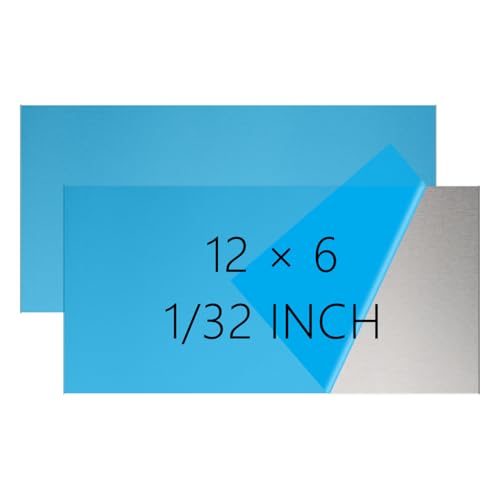
Material and finish: Two 12″ x 6″ x 1/32″ (0.8 mm) sheets of 304 stainless steel. The 304 grade offers excellent corrosion resistance and hygiene, with a snowflake No.4 brushed finish that aids in masking minor wear while maintaining ease of cleaning. The sheets are protected with a peel-off film to preserve the surface during transit.
HVAC relevance: Stainless steel provides high durability in humid or corrosive environments and is a good option for components that require stringent cleanliness or exposure resistance, such as enclosures, heat exchanger components, or duct panels in challenging environments.
Be Buying Guide: Key Purchase Considerations
Material selection: Aluminum alloys such as 5052 offer excellent corrosion resistance and weldability at a lower weight, ideal for duct panels and non-structural components. Stainless steel 304 provides superior corrosion resistance for harsher environments but at a higher cost and weight. For most standard residential HVAC tasks, aluminum sheets deliver a balanced performance and easier fabrication.
Thickness and formability: Common HVAC sheet metal uses range from 0.019 inches (0.5 mm) to 0.02 inches (0.5 mm). Thicker sheets improve rigidity but are harder to bend or form. For duct levers, brackets, and light panels, 0.02 inches is a practical compromise. Always verify bend radii and tool compatibility when purchasing bending tools.
Finish and surface: Smooth, flat surfaces reduce fabrication defects and improve seam quality. Protective films help prevent scratches during handling and transport. Finishes such as No.4 brushed stainless steel can hide minor wear while staying easier to clean in dusty environments.
Fabrication compatibility: Ensure the material can be cut, drilled, and welded with your existing equipment. Aluminum, especially 5052, generally offers good weldability and formability. Stainless steel requires appropriate cutting tools and may demand more robust weld techniques.
Cost and availability: Aluminum sheets tend to be more affordable and lightweight for DIY projects, while stainless steel adds durability for harsh sites. Consider project scale, environmental exposure, and budget when selecting materials.
Tooling and accessories: A dedicated sheet metal bender or seamer (like the Kbiykuy tool) can streamline installation and improve consistency across duct segments and panels. For large formats, plan for handling and transport of sheet sizes to maintain flatness and prevent deformation.