Choosing a portable air conditioner for a garage requires balancing cooling power, energy efficiency, and portability. The following selections are tailored to garage spaces, offering reliable 10,000–12,000 BTU performance, 3-in-1 functionality, and features like remote controls, timers, and quiet operation. This guide compares five strong options to help you find a unit that fits your garage size, climate, and workflow.
| Product | BTU / Capacity | Key Benefit | Best For |
|---|---|---|---|
| ZAFRO Portable AC | 10,000 BTU | Three modes, 24h timer, remote | Large garage spaces |
| Dreo AC515S | 12,000 BTU | Drainage-free cooling, quiet 45dB | Quiet operation and robust cooling |
| Wiytamo 10,000 BTU AC | 10,000 BTU | App/Remote control, 24h timer | Smart control and offsite adjustments |
| GarveeTech 10,000 BTU | 10,000 BTU | Three modes, no drain needed, 50dB | Low-maintenance cooling |
| JRD Portable Evaporative Cooler | Evaporative, 4 modes | Swamp cooler, mist option | Dry climates or when added humidity is welcome |
ZAFRO Portable AC: 10,000 BTU With 3 Modes

The ZAFRO unit delivers 10,000 BTU ASHRAE cooling capacity (SACC 6000 BTU) designed to cool up to 450 sq. ft. It combines cooling, dehumidifying, and fan modes, with two adjustable speeds. Temperature range from 62°F to 86°F provides flexible comfort. A 24-hour timer, LED display, and remote control simplify operation, while caster wheels and handles support easy movement around a workshop or garage. Sleep mode automatically lowers noise and temperature for restful rest, maintaining quiet performance at 53 dB or less.
COOLECH Windowless Portable AC (40 Approval): 4 Modes & 3 Speeds
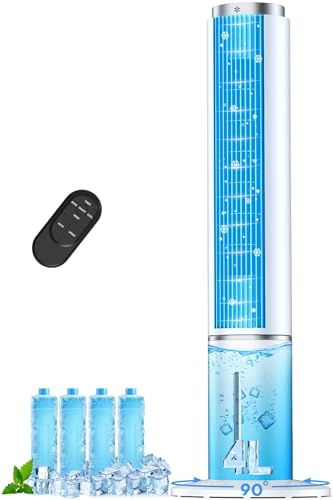
This COOLECH model operates as a windowless portable air conditioner with four modes (Cooling, Normal, Sleep, Nature) and three wind speeds. It delivers up to 28 ft/s airflow and can cool up to 300 sq. ft with an impressive 90° oscillation. A 1-gallon tank and 12-hour timer help manage energy use, and a waterless alert system warns when fluids are running low. It’s especially useful in drier garages where evaporative cooling complements traditional AC performance.
Dreo AC515S: 12,000 BTU For Quiet, Large Rooms

The Dreo AC515S brings a robust 12,000 BTU cooling capacity (ASHRAE) with a noise-isolated system that reduces compressor noise to about 45 dB. It supports a temperature range from 61°F to 86°F and combines three modes (cooling, dehumidification, fan) in a single unit. Efficient drainage-free operation helps in spaces without easy drainage options, making it a strong option for garages that lack drainage lines, while app, voice, and remote controls provide flexible management.
Wiytamo 10,000 BTU Portable AC With App Control
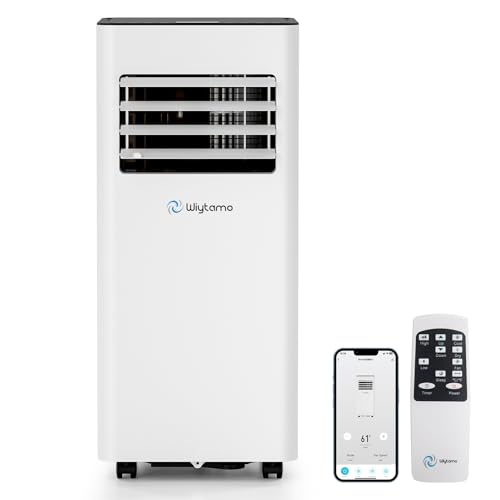
The Wiytamo unit provides 10,000 BTU cooling for spaces up to 450 sq. ft., suitable for garages, offices, or living areas adjacent to a workspace. It offers 3-in-1 functionality (cooling, dehumidifying, fan) with a built-in smart sensor to optimize compressor use for energy efficiency. Manage settings via the mobile app or remote, and adjust temperature and timer from afar, while a top LED display keeps essential controls accessible on-site.
GarveeTech 10,000 BTU 3-in-1 Portable AC
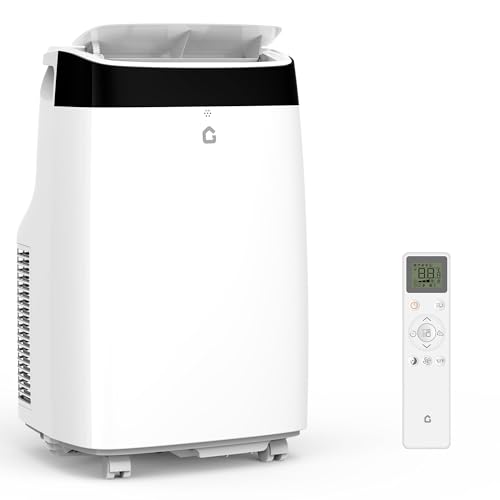
GarveeTech’s 10,000 BTU portable air conditioner targets larger garages with rapid cooling up to 450 sq. ft. The unit functions as a 3-in-1 device—cooling, dehumidifying, and fan—while maintaining energy efficiency. A key feature is the no-drain design, reducing maintenance concerns in spaces without easy drainage. It operates quietly, with a sleep-friendly mode to minimize disturbances during early morning or late-night use.
Buying Guide: Key Considerations For Garage AC Units
- Size and BTU capacity: Garages vary greatly in size. For spaces up to 450 sq. ft, 10,000–12,000 BTU units are common. Larger spaces may require higher BTU or additional units.
- Ventilation and exhaust: Portable ACs need an exhaust path to outdoors. Window kits or venting through walls work; some models are designed for windowless operation with evaporative cooling as a supplement.
- 3-in-1 functionality: Cooling, dehumidifying, and fan modes increase flexibility, helping manage humidity and comfort in garages used for storage or workshop activities.
- Noise levels: Garages can double as workspaces; choosing units with quiet operation (below 50–55 dB in sleep mode) reduces disturbance.
- Controls and connectivity: Remote, app, or voice control adds convenience when your hands are full with tools or materials. Timers help optimize energy use when the space is intermittently used.
- Drainage considerations: Self-evaporating designs and no-drain functionality simplify installation in garages without easy drainage options.
- Portability and durability: Casters, handles, and sturdy builds help move the unit between the house and garage or reposition for different tasks.
- Climate compatibility: Evaporative coolers can supplement or replace traditional AC in very dry climates, but they add moisture to the air and may not suit humid environments.
When selecting a unit, assess the garage’s typical occupancy, equipment heat load, and whether the space has nearby electrical outlets. For spaces with direct sun exposure or high heat, prioritize units with higher BTU ratings and robust airflow. If noise is a concern, look for models featuring noise-reduction design and sleep modes. Finally, consider whether you prefer drainage-free operation or a model with a straightforward venting setup for quick installation.