Best Smallest Window Air Conditioner for RVs: Compact Cooling on the Go
Finding the right window air conditioner for an RV means balancing size, cooling power, and portability. The units below cover compact cooling for small spaces, with options tailored for RV layouts and travel-friendly setups. Each product emphasizes easy installation, efficient performance, and practicality for mobile living spaces.
| Product | Brand | BTU | |
|---|---|---|---|
| FOGATTI RV Window Air Conditioner | FOGATTI | 6500 | RV spaces up to 120 sq ft |
| Amazon Basics 5000-BTU Small Window AC | Amazon Basics | 5000 | Small rooms or compact RV cabins |
| Midea 5,000 BTU EasyCool Window AC | Midea | 5000 | Small bedrooms, offices, campers |
| GE Window Air Conditioner Unit, 5,000 BTU | GE | 5000 | Small rooms, easy install |
| Midea 8,000 BTU U Shaped Smart Inverter Window AC | Midea | 8000 | Open floor plans or larger RVs |
FOGATTI RV Window Air Conditioner
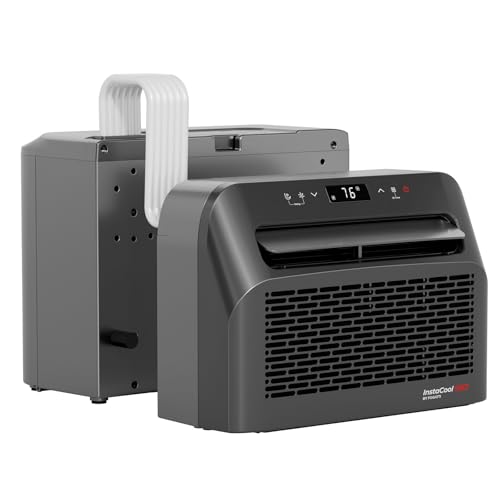
The Fogatti RV window unit provides a robust 6500 BTU cooling capacity, suitable for RVs and small spaces up to about 120 square feet. It emphasizes ease of mobility with a relatively lightweight design and simple installation, supported by included window kits. The unit targetsRV owners seeking steady cooling while minimizing noise, with operation described as quiet at 50 dB. Potential buyers should consider window thickness compatibility and the availability of extension brackets for nonstandard frames to ensure stability and proper sealing during travel.
Amazon Basics 5000-BTU Small Window Air Conditioner

Amazon Basics offers a compact 5000 BTU model designed for spaces up to 150 square feet, making it a common choice for small RV bedrooms or living nooks. Features include a two-in-one cooling and fan mode, an easy-access washable filter, and adjustable window installation. With seven temperature settings and two-speed cooling plus two-way air direction, this unit supports basic climate control and maintenance. The mechanical controls are straightforward, which may appeal to travelers who prefer reliable, simple operation without a smart hub dependency.
Midea 5,000 BTU EasyCool Window AC
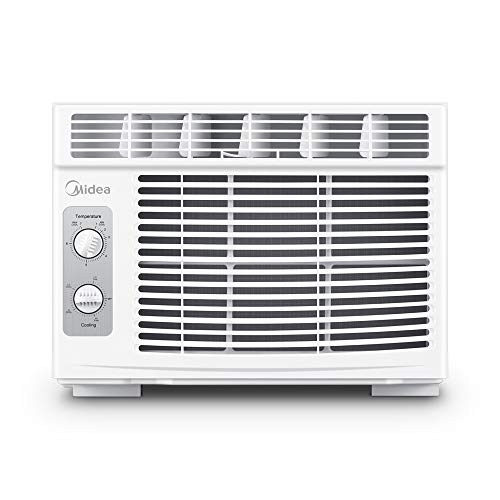
The Midea EasyCool 5,000 BTU unit is built for small spaces such as bedrooms, living areas, or RV interiors. It delivers 150 square feet of cooling with 7 temperature settings, 2 cooling speeds, and 2 fan-only speeds, plus 2-way air direction to tailor airflow. The device employs an easy-to-use mechanical control panel and a removable, reusable air filter. It emphasizes energy efficiency (CEER around 11.0) to reduce operating costs over time, which is beneficial for travelers watching power usage on the road.
GE Window Air Conditioner Unit, 5,000 BTU

GE’s 5000 BTU window unit is sized for small rooms up to 150 square feet, with an included easy-install kit to facilitate quick setup in RV windows. It’s positioned as a practical choice for spaces like bedrooms or compact living areas. The model emphasizes low-noise operation, which is essential for nighttime comfort inside an RV. While canonical controls are not described as smart, straightforward operation and a compact footprint remain strong selling points for travelers who prioritize simplicity and reliability on the road.
Midea 8,000 BTU U Shaped Smart Inverter Window AC

The Midea U U-shaped smart inverter model is a higher-capacity option designed for larger RVs or open-plan areas, cooling up to around 350 square feet. It uses an open-window design to reduce noise, delivering ultra-quiet operation around 32 dBA on certain settings. The inverter technology supports energy savings of more than 35% and offers Wi-Fi control, plus compatibility with voice assistants like Alexa and Google Assistant. This unit is appropriate for RV setups where keeping a larger living area cool without sacrificing energy efficiency or remote control flexibility is a priority.
Buying Guide: Key Purchase Considerations
- Room or bay size: Match BTU to the space you need to cool. RVs and small apartments typically require 5000 BTU for compact areas, while larger RVs may benefit from 6500–8000 BTU units.
- Window width and thickness: Ensure the unit’s installation kit matches your window frame. Some models require extension brackets for thicker frames or unusual window thicknesses.
- Noise levels: Quiet operation matters in RVs to minimize sleep disruption. Consider dB ratings where available, especially for nighttime use.
- Energy efficiency: Look for CEER or ENERGY STAR certifications to manage power consumption on the road.
- Controls and connectivity: Decide between mechanical controls for simplicity and smart/inverter models for remote control via apps or voice assistants.
- Maintenance needs: Removable, washable air filters simplify upkeep while traveling. Check filter accessibility and replacement availability.
- Portability and installation: Lightweight units with straightforward installation help keep RVs versatile for seasonal trips or temporary setups.
- Durability and warranty: RV environments introduce vibration and temperature swings. Favor models with solid build quality and reliable support.
Comparative Considerations
- Compact options (5000 BTU): Ideal for single small rooms or sleeping alcoves in RVs; easy install and maintenance, generally budget-friendly.
- Higher-capacity units (6500–8000 BTU): Suitable for larger RVs or open-concept layouts; more powerful cooling, with potential for higher energy use but better comfort in hot climates.
- Smart vs. mechanical: Smart inverter units offer remote control and energy savings but may require a stable Wi-Fi setup, while mechanical units are simpler and more rugged for travel.
- Installation flexibility: Check window frame specifications and included hardware to prevent gaps that could impact insulation and efficiency while driving.
- Durability in motion: Look for models with stable mounting systems and reviews noting reliable performance during travel and vibration.
Selecting the best small window air conditioner for an RV involves assessing space, energy needs, and how you use the space. The options listed above provide a range of configurations, from compact, budget-friendly 5000 BTU units to larger, feature-rich inverters designed for open RV layouts. Always verify window dimensions and installation requirements prior to purchase to ensure a snug, secure fit for travel conditions.