Selecting a reliable smart thermostat for a commercial setting requires balancing energy savings, compatibility with HVAC systems, ease of installation, and data privacy. The following guide highlights five dependable options, each with features designed to optimize comfort and reduce energy spend in offices, small businesses, and workplaces. Read on to compare capabilities, installation considerations, and how these devices support ongoing energy management.
Product Overview
| Product | Brand | Key Benefit | Typical Use |
|---|---|---|---|
| Sensi Smart Thermostat | Emerson | Privacy protection and easy DIY install | Small to medium commercial spaces, simple systems |
| ecobee Smart Thermostat Essential | ecobee | Energy savings with broad compatibility | Offices, coworking spaces with varied HVAC |
| Honeywell Home RTH9600WF | Honeywell Home | Web-enabled, programmable with energy rebates | Mid-size offices, multi-room setups |
| ecobee Smart Thermostat Enhanced | ecobee | Advanced occupancy sensing and humidity awareness | Commercial spaces needing precise comfort control |
| Amazon Smart Thermostat | Amazon | Alexa integration and cost-effective upgrade | Retail spaces, small offices with Alexa ecosystem |
The selections below are organized to help facilities managers assess installation ease, compatibility with common commercial HVAC configurations, and potential energy savings. Each entry includes a brief feature snapshot and guidance on suitable environments.
Sensi Smart Thermostat — Easy Install And Privacy
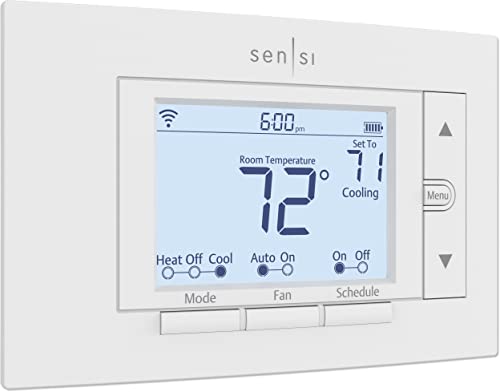
The Sensi thermostat from Emerson emphasizes privacy protection, with policies that avoid selling personal information to third parties. It supports straightforward DIY installation with built-in leveling and guided app instructions. Common wire (c-wire) is not required in most configurations, expanding compatibility with existing HVAC systems. It’s ENERGY STAR-certified, offering potential savings of about 23% on heating and cooling through flexible scheduling, remote access, and usage reports. This makes it suitable for small to mid-sized commercial spaces that prioritize simple setup and data privacy.
ecobee Smart Thermostat Essential

Ecobee’s Essential model focuses on energy efficiency with claims of up to 23% annual savings. It supports remote scheduling and adapts to user presence to optimize comfort when employees are in the space. The device is compatible with a wide range of systems (check compatibility via ecobee tools) and includes software upgrades to extend usability. The color touchscreen makes it straightforward for staff to adjust temperatures, while the integration with Siri, Alexa, and Google Assistant supports a modern office environment.
Honeywell Home RTH9585WF1004
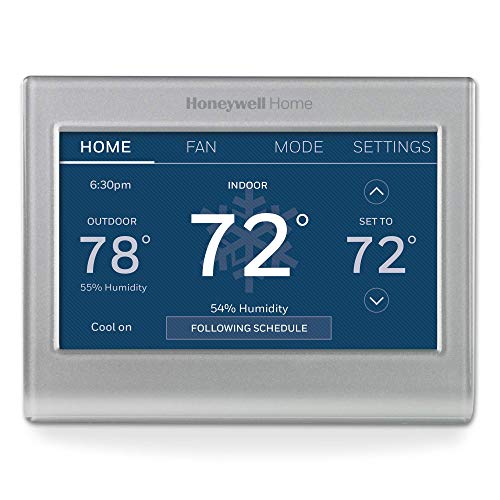
Honeywell’s RTH9585WF1004 combines a smart color touchscreen with seven-day programming, ENERGY STAR certification, and Alexa readiness. The color customization lets facilities align thermostats with decor in shared spaces. It also supports energy rebates through utility programs, a feature that can help commercial operators recoup costs over time. The flexible scheduling is ideal for offices with varying occupancy patterns, reducing energy use during off-hours while preserving comfort for occupants.
ecobee Smart Thermostat Enhanced
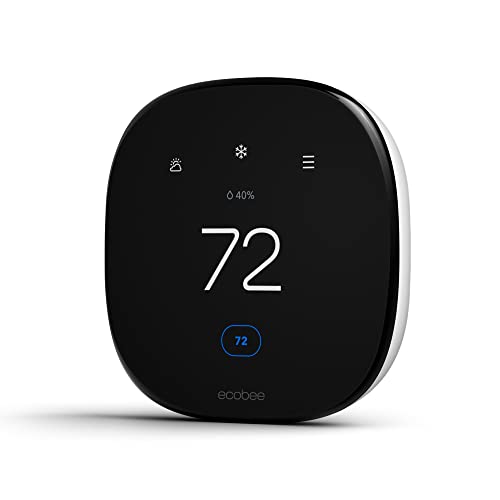
Enhanced by robust occupancy sensing and humidity awareness, this ecobee model aims to minimize hot or cold spots and optimize energy use. It supports Siri, Alexa, and Google Assistant for voice control and smart home integration. The thermostat helps maintain a comfortable environment while trimming energy costs—particularly in spaces with variable occupancy, such as conference rooms or shared work areas. It includes software updates to keep the device current with evolving energy-saving features.
Amazon Smart Thermostat

The Amazon Smart Thermostat offers a budget-friendly upgrade path with Alexa and Ring integration. It can support energy-saving routines and presence-based adjustments, particularly in spaces already within the Alexa ecosystem. It’s a practical entry point for smaller offices or retail setups seeking smart control without a major hardware overhaul. Installation is straightforward, and renters or multiple tenants may benefit from its simple management interface and compatibility with common automation routines.
Honeywell Home RTH9600WF Smart Color Thermostat
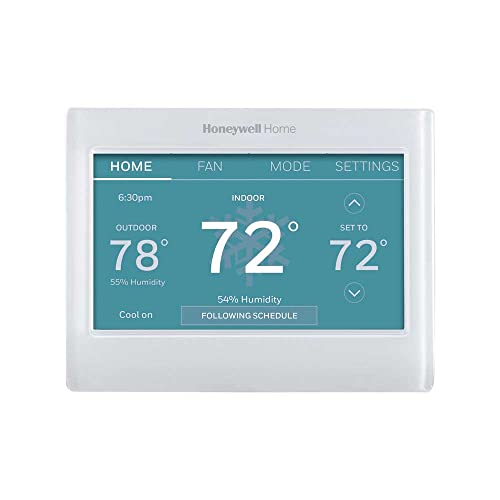
Honeywell’s RTH9600WF offers wireless control with a color touchscreen and seven-day programming. It supports energy-saving features and compatibility with smart home ecosystems. The device can be a strong option for mid-sized offices seeking flexible scheduling, remote access, and straightforward integration with other Honeywell or third-party smart devices. It is designed for installations where a colored interface helps staff quickly adjust settings in shared spaces.
Buying Guide: Key Purchase Considerations
When selecting a smart thermostat for commercial use, consider the following factors to ensure a strong return on investment and reliable operation:
- HVAC compatibility: Confirm the thermostat supports your specific equipment, gas vs. electric systems, and multi-stage setups. Some models require a C-wire; others are compatible with fewer connections.
- Energy savings potential: Look for ENERGY STAR certification and manufacturer estimates of annual savings. Consider occupancy sensing, smart scheduling, and remote management features.
- Ease of installation: Decide between DIY installation versus professional setup. In commercial settings, a quick, non-disruptive install reduces downtime and labor costs.
- Privacy and data handling: For offices with sensitive data or compliance requirements, prioritize devices with strong privacy policies and local control options when possible.
- Integrations and ecosystem: Choose a thermostat that works with your voice assistants and existing smart devices (e.g., Alexa, Google Assistant, Ring). For larger spaces, consider centralized management options through compatible platforms.
- Controls and occupancy: Devices with occupancy sensing and humidity awareness can improve comfort and energy efficiency in conference rooms, lobbies, and shared work areas.
- Maintenance and updates: Favor models that receive regular software updates to address security and feature improvements over time.
Comparing total cost of ownership should include hardware price, potential rebates from energy providers, installation labor, and any ongoing app or subscription requirements. For commercial applications with multiple zones, consider models that support easy expansion and centralized monitoring.