Choosing the right turbine vent system for a Conex or shipping container ensures better airflow, reduced heat, and lower moisture risk. This guide highlights five reliable vent adapters and turbine solutions designed to fit 3.5-inch rib spacing and 12-inch or 8-inch vent components, so you can upgrade ventilation without complex installations. Each option is engineered for durability, weather resistance, and improved airflow in both hot climates and rain-prone environments. Below is a quick overview table of the chosen products to help you compare at a glance.
| Product | Brand | Rib Spacing Fit | Vent Type |
|---|---|---|---|
| AdaptAIR Roof Turbine Vent (2 Pack) 12 inch | Container Creations | 3.5-inch rib spacing | Whirlybird compatible |
| AdaptAIR Roof Turbine Vent (1 Pack) 12 inch | Container Creations | 3.5-inch rib spacing | Whirlybird compatible |
| AdaptAIR Wind Turbine for Shipping Containers | Container Creations | 12-inch vent systems | Whirlybird turbine |
| Solar Blaster Solar Mega RoofBlaster (3.5″ rib) | Solar Blaster | 3.5-inch rib spacing | Solar powered roof vent |
| TXL Solar-Powered Exhaust Fan | TXL | 3.5-inch rib spacing | Solar roof vent |
AdaptAIR Roof Turbine Vent (2 Pack) 12 inch

This 12-inch AdaptAIR roof vent adapter is designed to fit Conex container roofs with standard 3.5-inch rib spacing, providing a secure mounting base for a turbine vent setup. It is compatible with 12-inch round vents, whirlybird turbines, and solar vents (not included), allowing quick installation without welding. The unit aims to improve air circulation, reduce condensation, and protect contents from moisture by enabling robust ventilation upgrades on shipping containers and Conex units.
AdaptAIR Roof Turbine Vent (2 Pack) 12 Inch

This 12-inch roof vent adapter is designed for Conex containers and cargo container roofs, enhancing ventilation for 12-inch turbine vents, whirlybirds, or solar vents. It is engineered to prevent leaks and provide reliable airflow, making it a solid choice for sustained container ventilation projects. It is built from 20-gauge steel with a rust-resistant UV epoxy coating, offering durable performance in harsh weather and marine environments.
AdaptAIR Roof Turbine Vent (1 Pack) 12 inch

This single-pack AdaptAIR 12-inch vent adapter is optimized for Conex container roofs with 3.5-inch rib spacing. It supports 12-inch turbine vents, whirlybirds, and solar rooftop vents, delivering enhanced ventilation and reduced heat buildup inside cargo spaces. The rugged design emphasizes leak prevention and long-term durability for shipping containers used in variable climates.
AdaptAIR Wind Turbine for Shipping Containers
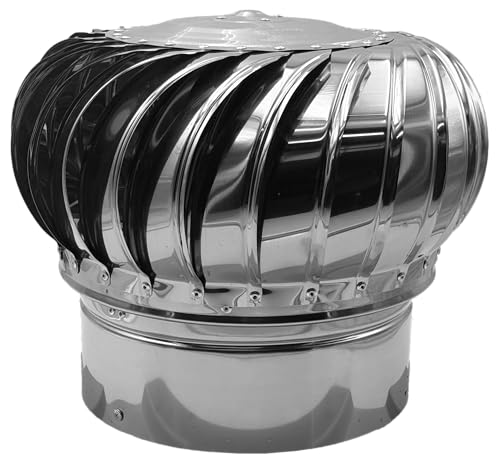
Engineered to fit the AdaptAIR roof vent adapter, this 12-inch wind turbine brings robust airflow to Conex and shipping container roofs. Featuring 24 curved blades, it aims to maximize exhaust and intake efficiency while minimizing rain entry. Stainless steel construction adds durability and corrosion resistance, supporting reliable operation in demanding outdoor conditions.
TXL Solar-Powered Exhaust Fan for Shipping Containers

TXL’s solar-powered exhaust fan delivers up to 1800 CFM and uses a 25W solar panel with a 45° rotating base to optimize sun exposure. It offers dual-mode thermal control to auto-adjust operation based on ambient temperature, making it suitable for off-grid applications. This vent system is designed to fit 3.5-inch rib spacing, helping to regulate interior temperatures and reduce moisture buildup in shipping containers and Conex units.
Solar Blaster Solar Mega RoofBlaster for 3.5″ Ribbed Conex

The Solar Blaster Solar Mega RoofBlaster is designed for 3.5-inch ribbed Conex roofs and relies on solar energy to ventilate containers when sunlight is available. It promotes airflow by leveraging solar power to push hot air out and bring in cooler air from lower vents. It emphasizes proper measurement for rib spacing and is commonly paired with intake vents to create a balanced ventilation system that reduces heat buildup and moisture.
Solar RoofBlaster for 3.5″ Ribbed Conex Shipping Container

The Solar RoofBlaster is a solar-powered vent designed for 3.5-inch rib shingles on Conex roofs. It provides continuous ventilation as long as sunlight is available, helping to refresh air inside containers and reduce heat accumulation. The kit is often used with complementary lower vents for improved overall airflow, moisture control, and storage protection.
Buying Guide: Key Purchase Considerations For Turbine Vents On Shipping Containers
- Vent size compatibility: Confirm rib spacing (3.5 inches is common on Conex containers) and select adapters or vents that match 12-inch or 8-inch configurations as needed for your space and climate.
- Vent type and operation: Decide between passive turbine vents (whirlybirds) and solar-powered exhaust fans. Solar options reduce electrical dependence, but may depend on sunlight availability.
- Durability and weather resistance: Look for rust-resistant coatings and corrosion-resistant materials (e.g., 20-gauge steel with UV epoxy or stainless steel) to withstand humidity and outdoor exposure.
- Leak prevention: Choose adapters that emphasize leak-proof mounting and robust sealing to avoid moisture intrusion around the roof interfaces.
- Airflow capacity: Consider CFM ratings or blade design (e.g., 24 blades) to estimate how effectively the vent moves air and reduces internal humidity and heat.
- Installation ease: Favor products that require minimal tools or no welding, with clear alignment for quick, professional-looking setups.
- Compatibility with existing vents: If you already have a solar or turbine system, ensure the adapter or vent is compatible with your current components to avoid compatibility issues.
- Maintenance: Evaluate the ease of cleaning and maintenance, especially for outdoor vents exposed to dust, rain, and debris.
- Longevity and warranty: Favor brands with proven durability in marine or harsh weather conditions and check warranty terms for long-term protection.
In summary, selecting the right turbine vent solution for a shipping container involves balancing sizing, vent type, durability, and ease of installation. For 3.5-inch rib spacing, adapters and turbines from Container Creations’ AdaptAIR line provide a strong baseline, while Solar Blaster and TXL offer solar-powered options that suit off-grid locations. When paired with appropriate intake vents and proper sealing, these solutions collectively improve airflow, reduce heat buildup, and minimize condensation inside cargo containers.