Choosing an in-duct UV filtration system can help reduce biofilm, mold, and microbial growth inside HVAC ducts, potentially improving indoor air quality. The following five products are selected for their compatibility with standard residential and small commercial HVAC setups, ease of installation, and ozone-safety features. This guide compares magnetic and hardwired options, durability, and installation requirements to help you pick a solution that fits your system and maintenance preferences.
| Product | Brand | Approx. Installation | Notes |
|---|---|---|---|
| REKO Lighting R2000 Air Purifier | REKOLIGHTING | Duct-mounted | UV-C 253.7nm bulbs; magnetic/duct insert design |
| BioShieldUV 18W HVAC UV Light | Mammoth | Magnetic/Direct wire option | Low-profile, ozone-tested |
| Air Health Haven Plus HVAC Light | air+health | In-duct retrofit | 16″ UV-C with PCO and carbon filter |
| R600 24v HVAC UV Light | REKOLIGHTING | Hardwired 24V | Magnetic bracket option |
| BioShieldUV 72W HVAC UV Light | Mammoth | Permanent installation | Two 36W bulbs; ozone tested |
REKO Lighting R2000 Air Purifier In Duct
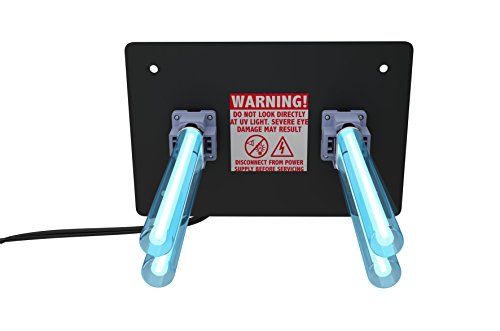
The REKO Lighting R2000 is an in-duct UV-C light designed for HVAC duct installation. The system uses European-made UV-C bulbs emitting 253.7 nm to target microbial growth on surfaces within the ductwork. It is built to integrate with typical HVAC ducts and aims to deliver continuous disinfection without requiring frequent maintenance. The compact design reduces obstruction in the airflow path while maintaining easy service access for bulb replacement and cleaning.
Key features include a UV-C light system that emphasizes 253.7 nm output, and a design that fits into standard HVAC ducts. It is positioned as a straightforward retrofit option for homes looking to add UV disinfection to their central air system without extensive wiring or hardware changes.
BioShieldUV 18W HVAC UV Light (Mammoth)

This 18W UV light for HVAC systems is designed for magnetic installation, enabling a quick retrofit to most furnaces, ducts, or air handlers. It emphasizes easy wiring to an HVAC ballast and is suitable for residential and some commercial setups. The unit is designed to minimize ozone by-products and is marketed with safe operation in mind for indoor environments. The magnetic mounting helps avoid drilling or invasive mounting, making it a practical option for renters or temporary installations.
Air Health Haven Plus HVAC UV System

The Air Health Haven Plus combines UV-C light with PCO technology and carbon filtration to address microbes, VOCs, and odors. The 16-inch, 30-watt UVC lamp targets germicidal action as air passes through the ductwork. The Pro-Cell technology helps reduce chemical pollutants in the circulating air, contributing to a multi-layer approach to IAQ. The system is designed for DIY installation with attention to proper placement within the duct system to maximize exposure time for disinfecting the air stream.
R600 24V HVAC UV Light (Magnet)

This 24V hardwired UV-C light is designed for coil disinfection and duct installation. A magnetic bracket option supports easier mounting, reducing the need for screws and drilling in some setups. The 14″ lamp operates at 253.7 nm and aims to target microbial growth on cooling coils to maintain airflow efficiency and reduce microbial buildup that can impede heat transfer and airflow.
BioShieldUV 18W Dual UV Light (Mammoth)

This BioShieldUV dual UV light kit is designed for whole-house duct use with four bulbs and a 110V power requirement. It includes an indicator LED to signal bulb status, installation template, and mounting hardware for a secure fit. The two 9W bulbs offer extended life with emphasis on reducing ozone by-product. The package is intended to simplify installation and ongoing maintenance for homeowners upgrading their central HVAC systems.
BioShieldUV 72W HVAC UV Light System

The 72W BioShieldUV system is designed for permanent installation with two 36W bulbs, making it suited for larger residential or small commercial ductwork. It emphasizes zero ozone emission and is tested for ozone by-products. Installation requires enough duct space (approximate 17 inches) and may involve drilling two holes into the duct wall. This model targets comprehensive duct disinfection and is compatible with various furnace and AC duct configurations.
Buying Guide: Key Purchase Considerations
- System compatibility: Check duct size, space inside the duct, and whether the unit is designed for magnetic mounting or hardwired connections.
- Wavelength and efficacy: Most UV-C systems operate at around 253.7 nm, which is proven for inactivating many airborne microbes. Verify lamp wattage and bulb count to match airflow and duct length.
- Installation requirements: Magnetic-mount units are typically easier for retrofits, while hardwired models may offer permanent integration with existing HVAC power supplies. Consider whether you need additional transformers or mounting brackets.
- Safety and ozone considerations: Confirm ozone emission levels are within safe limits (EPA CARB-compliant levels are preferred). Most residential-grade units advertise ozone-free operation or low by-product emissions.
- Maintenance and replacement: Look for bulbs with accessible replacement parts and clear indicators for bulb status. Some units include LED indicators to simplify maintenance checks.
- Cost of ownership: Beyond the initial unit price, factor in bulb replacement frequency, energy usage, and any required additional hardware for installation.
- Application scope: Determine whether you want a single-coil solution for a specific area or a whole-house system designed for multiple ducts or an entire HVAC network.
- Warranty and support: Check manufacturer warranties and availability of replacement parts or service support in your region.
Each option above provides a distinct balance of ease of installation, electrical wiring needs, and ozone considerations. When choosing, prioritize how the system will integrate with your existing HVAC layout, your tolerance for DIY installation, and the desired level of ongoing maintenance. For households with sensitive occupants or specific air-quality requirements, selecting a model with strong ozone testing and clear maintenance indicators is advisable.