Best Waste Oil Burning Heater for Garage: Top Picks for Efficient Warmth
When choosing a heater for a cold garage, efficiency, safety, and reliability matter. This guide highlights five garage-ready options that align with waste oil and general oil-based heating vibes—focused on fast warm-up, stable temperature control, and safe operation. Each product is evaluated for performance, energy use, and ease of installation to help you select a practical solution for cold storage, auto workspaces, or hobby garages.
Summary of Selected Products:
| Product | Brand | Key Benefit | Best For |
|---|---|---|---|
| KENUOS Engine Block Heater Pad | KENUOS | Oil pan/engine areas | |
| Shinic Electric Garage Heaters (Indoor Use) | shinic | Medium-to-large garages | |
| Hykolity 1500W Oil Filled Radiator (Remote) | hykolity | All-day heating | |
| Amazon Basics Portable Oil Radiator Heater | Amazon Basics | Versatile, portable use | |
| Shinic 2 Packs Electric Garage Heaters | shinic | Large garages or shops |
KENUOS Engine Block Heater Pad With Thermostat

The KENUOS oil pan heater pad is designed for rapid engine preheating in cold conditions. It raises engine oil temperature quickly, improving lubrication and reducing cold-start wear. A built-in automatic constant temperature controller turns off heating at 194°F (90°C) and resumes heating when it drops below 122°F (50°C), helping to prevent overheating while maintaining safe operation. The product uses a strong 3M adhesive on its back, enabling straightforward installation on metal surfaces such as engine oil pans, transmissions, or fuel tanks. With a 68-inch power cord, it accommodates many vehicle configurations. Its 150W rating makes it suitable for smaller engines or auxiliary preheating needs.
Electric Garage Heaters For Indoor Use, 1500W/750W Ceiling Mounted
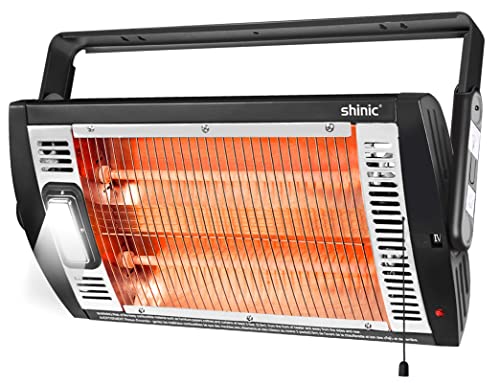
This Shinic ceiling-mounted heater uses quartz radiant elements to quickly warm people and objects in front of it. It features five mode settings and a 90-degree rotating design, making it versatile for different areas of a garage or workshop. The built-in work light adds practical visibility for projects, and the ceiling-mount format helps conserve floor space—particularly valuable in crowded garages. The device supports both heating and lighting functions, offering flexibility during long work sessions or off-season use.
Hykolity 1500W Oil Filled Radiator Heater With Remote

The hykolity 1500W oil-filled radiator heater delivers all-around warmth with multiple built-in fins for improved heat distribution. It includes a remote control and a 24-hour On/Off timer, enabling pre-heated rooms or garages to reach the desired comfort level before you arrive. With three heating modes (1500W, 900W, 600W) plus Eco mode, the thermostat can be adjusted from 50°F to 95°F, offering flexible energy management. Overheat and tip-over protections add safety, making it suitable for continuous use in busy workshop environments.
Amazon Basics Portable Oil Radiator Heater

The Amazon Basics portable oil radiator heater provides three heat settings (1500W, 1000W, 600W) with seven oil-filled fins to distribute heat evenly. It emphasizes long-lasting warmth even after the unit is turned off, beneficial for maintaining comfort in a garage during extended projects. Its portable form and built-in safety features, such as overheat protection, make it a practical option for moving between spaces or accommodating changing work areas within a garage.
Shinic 2 Packs Electric Garage Heaters

This Shinic two-pack ceiling-mounted heaters setup is ideal for large garages, shops, or expansive work areas. Each unit features 1500W/750W operation with 90-degree tilting and five mode settings. The included halogen work lights ensure improved visibility for projects, while the ceiling-mount design preserves floor space. The dual-pack arrangement provides scalable heating coverage, enabling balanced warmth across sizable spaces or zones within a workshop environment. Safety features include ETL listing and robust mounting hardware for secure installation.
Buying Guide: Key Purchase Considerations
- Heating Type and Coverage: Oil-filled radiators provide long-lasting warmth and even distribution, but ceiling-mounted quartz heaters excel at quick, zone-focused warmth. Assess garage size and target areas (workbenches, vehicle bays) to choose a form factor that delivers the right coverage.
- Energy Efficiency and Controls: Models with timers, eco modes, and adjustable thermostats help manage energy use. Remote controls and digital displays simplify operation, especially when the heater is mounted or placed in tight spaces.
- Safety Features: Look for overheat protection, tip-over switches, ETL or UL safety listings, and stable mounting solutions for ceiling installations. These features reduce risk in busy garages with tools and liquids around.
- Ease of Installation: Self-adhesive pads, like some oil pan heaters, offer quick spot heating but require clean metal surfaces. Ceiling-mount units demand proper brackets and clearances; verify included hardware and installation instructions.
- Durability and Environment: Consider corrosion resistance for metal surfaces and splash resistance if the unit sits near potential oil splashes. For outdoor or semi-outdoor garages, ensure the unit is rated for such environments.
- Portability vs. Fixed Installations: Portable oil radiators provide flexibility, while ceiling-mounted units ensure space efficiency in crowded garages. Balance the need for mobility with steady, zone-specific warmth.
- Noise and Air Quality: Oil-filled radiators run quietly, a plus for workshops that require calm environments. Quartz ceiling heaters have fans-less operation when used with radiant elements, minimizing stray dust movement.
Overall, for a garage that leans toward using waste oil burning or heat retention in the workspace, combining a preheating pad (for engine areas) with robust space heaters can create a layered approach: quick local warmth near engines or machinery and broader ambient warmth for the entire workspace. Safety monitoring, energy management, and ease of installation remain essential considerations across all options.